 Ask to confirm
Door Hardware
Lever Door Handle with Keyhole Backplate
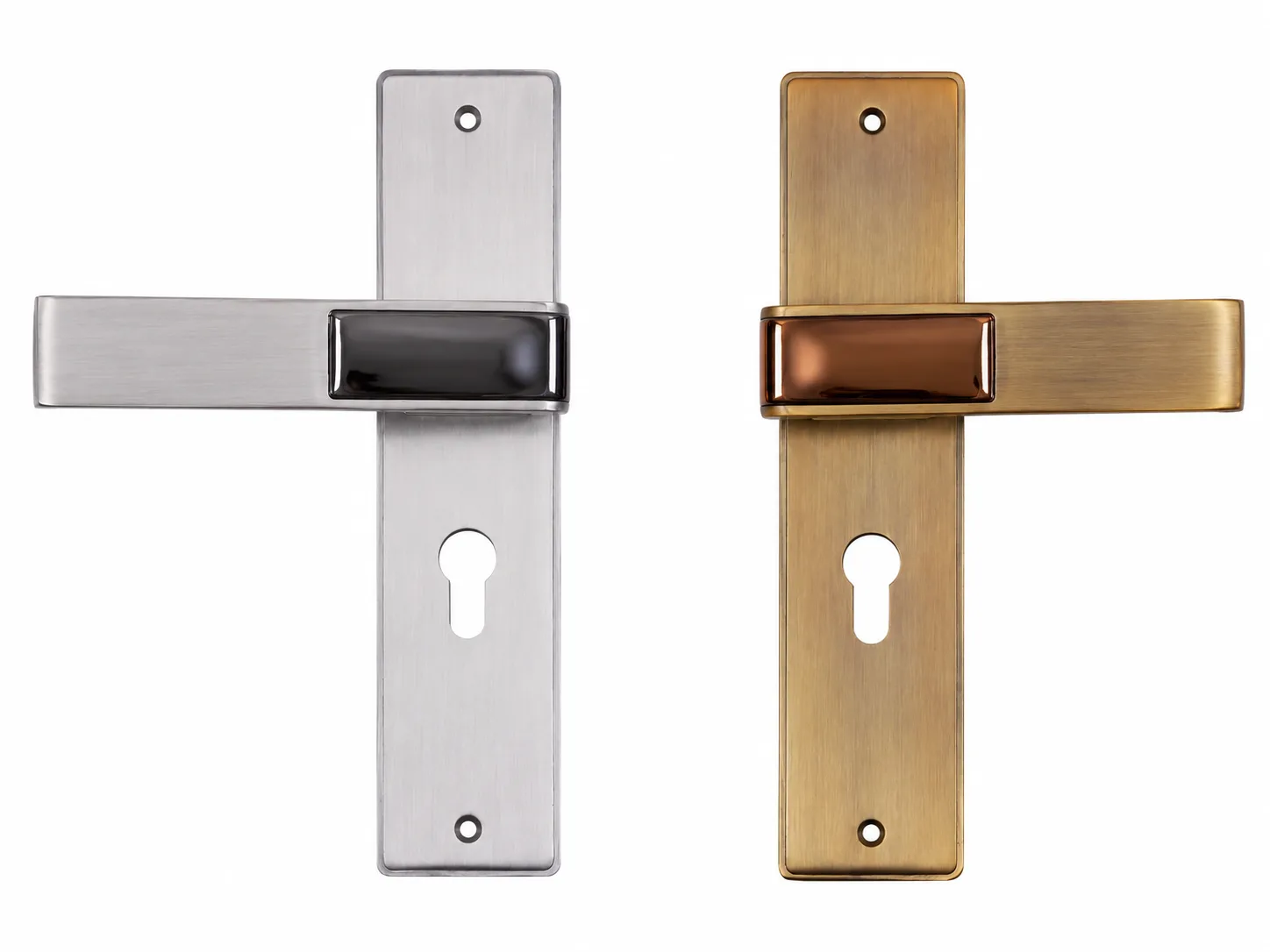
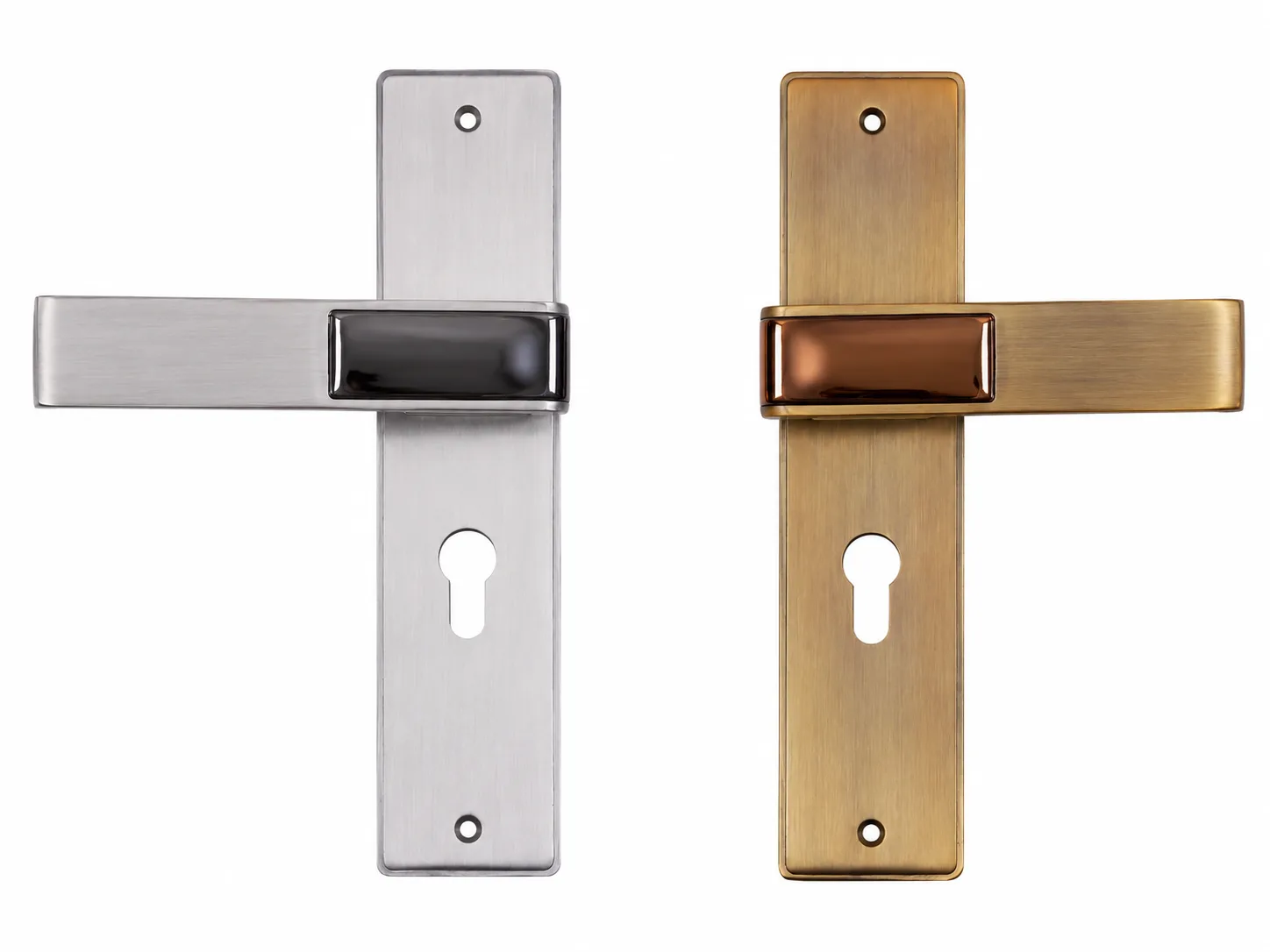
Modern lever door handle with rectangular backplate and keyhole cutout, available in two finishes.
Price on requestCompare lever, pull, grab and recessed-style handles, then learn which dimensions and fitting details to check before buying a replacement.
By MJ TraderPublished 15 August 2026~13 min read
The most important difference between handle types is functional, not decorative. A lever handle normally turns a spindle connected to a compatible latch or lock case. A pull, grab or backplate handle is normally fixed: it gives your hand something to pull, but it does not retract a latch by itself. A recessed or low-profile pull may reduce how far the grip projects, but the name alone does not tell you how it is installed.
Start by asking one question: must this handle operate the existing latch or lock, or only help move the door, drawer or cabinet front? Once that is clear, compare the fitting dimensions, material, mounting method and available clearance.
This guide uses five recently added MJ Trader products to explain the differences. Product names and visible features come from the current catalogue records and photographs. Exact dimensions, included fixings, load suitability and compatibility must still be confirmed for the specific size and stock supplied.
Do not choose only from the front view. Two handles with a similar finish can require completely different holes, fixings and lock components.
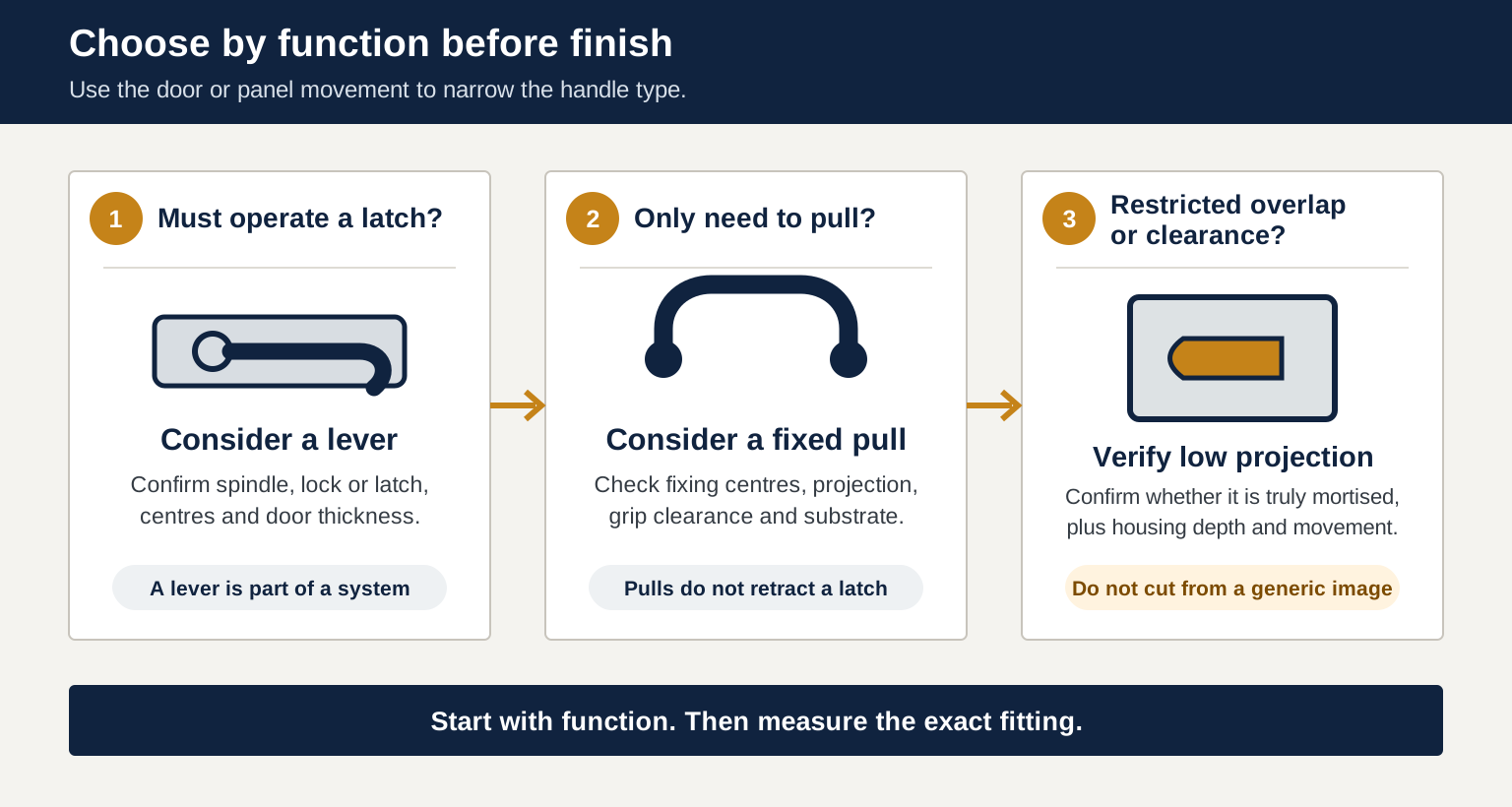
These are selection starting points, not guarantees that every handle shown here suits every application. The exact fitting still has to be matched to the door, panel and hardware around it.
The Lever Door Handle with Keyhole Backplate is shown with a rectangular lever, long backplate and keyhole cutout in two finishes. A lever of this type is door furniture: it normally needs a compatible spindle, latch or lock case and the correct keyhole or cylinder arrangement behind the plate.
The visible keyhole cutout does not mean a lock body, cylinder, spindle, keys or every fitting screw is automatically included. Confirm the packing before ordering. Also confirm whether the cutout matches the existing lock. Standard keyholes, euro-profile cylinders and other profiles are not interchangeable simply because they sit below a lever.
For a replacement, measure:
Official ASSA ABLOY ranges illustrate why model-level checking matters: published lever sets specify door-thickness ranges, spindle dimensions, fixing centres, handing, lock-case compatibility and supplied screws. Those specifications describe those ASSA ABLOY products, not the unbranded MJ Trader handle, but they show the information that should be confirmed on any lever set.
Some lever furniture contains its own return spring; other unsprung designs rely more heavily on the spring in the compatible lock case. A handle that droops after fitting is not always solved by tightening screws. The lever and lock case must be designed to work together, and a worn latch spring can also be part of the problem.
Do not infer sprung or unsprung construction from the photograph. Ask about the exact model and test one set with the intended lock case before a bulk furniture or door order.
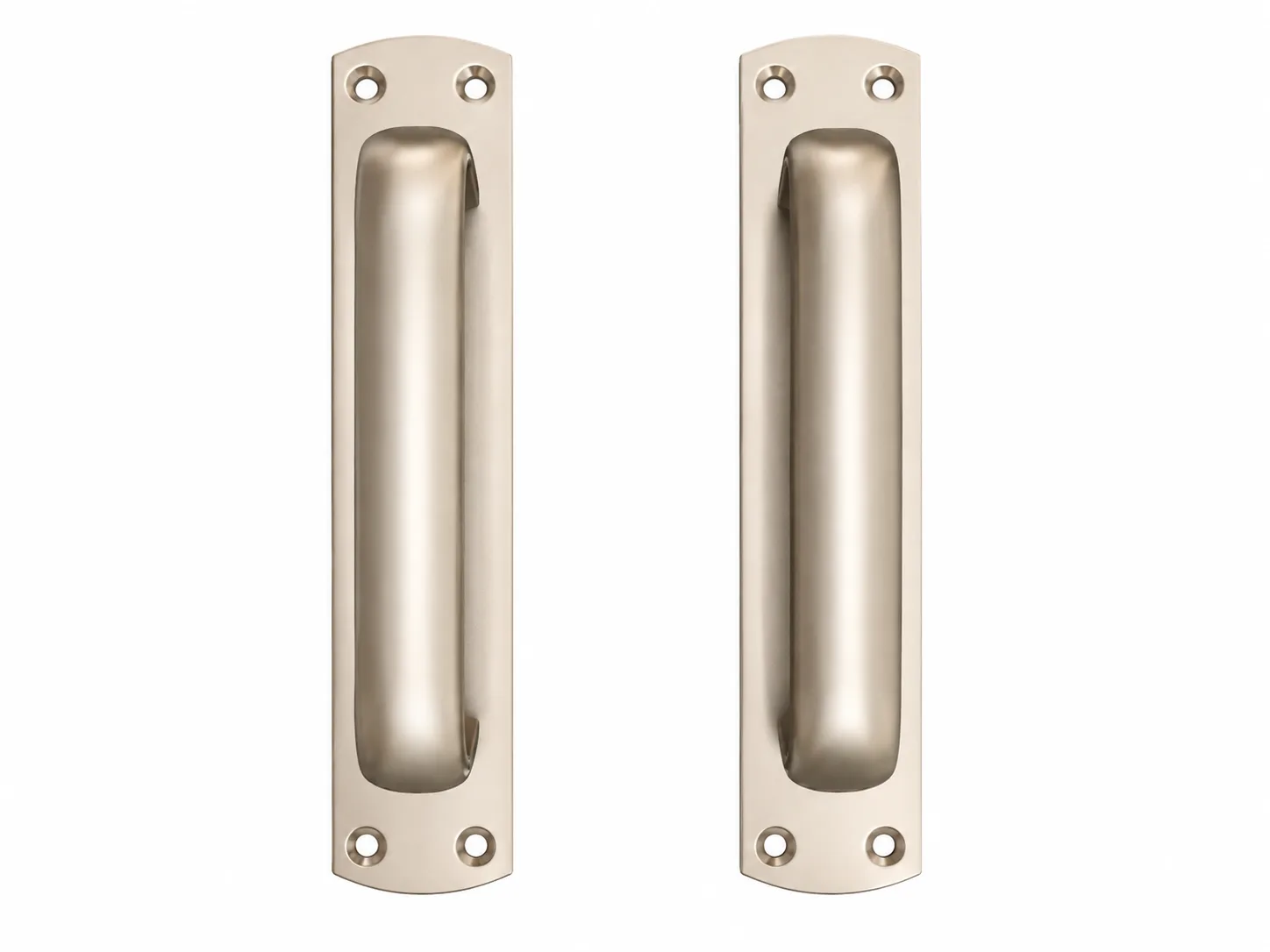
The Aluminium Pull Handle is listed in 7-inch and 8-inch options. Its catalogue photographs show an elongated grip on a rectangular plate with four visible mounting holes. It is a fixed pull rather than a rotating lever, so it should not be expected to retract a latch.
The stated 7-inch or 8-inch size must not be assumed to mean fixing-centre distance. Depending on how a product is labelled, a nominal size may refer to overall length, grip length or another dimension. Ask MJ Trader to confirm what the size describes and request actual measurements when matching existing holes.
This style can only be selected responsibly after checking the door or panel material and the intended fixing. A visible countersunk hole suggests face fixing, but the correct screw diameter, length and type depend on the product, panel thickness and substrate. Thin sheet, hollow construction, solid timber and furniture board do not all hold the same screw in the same way.
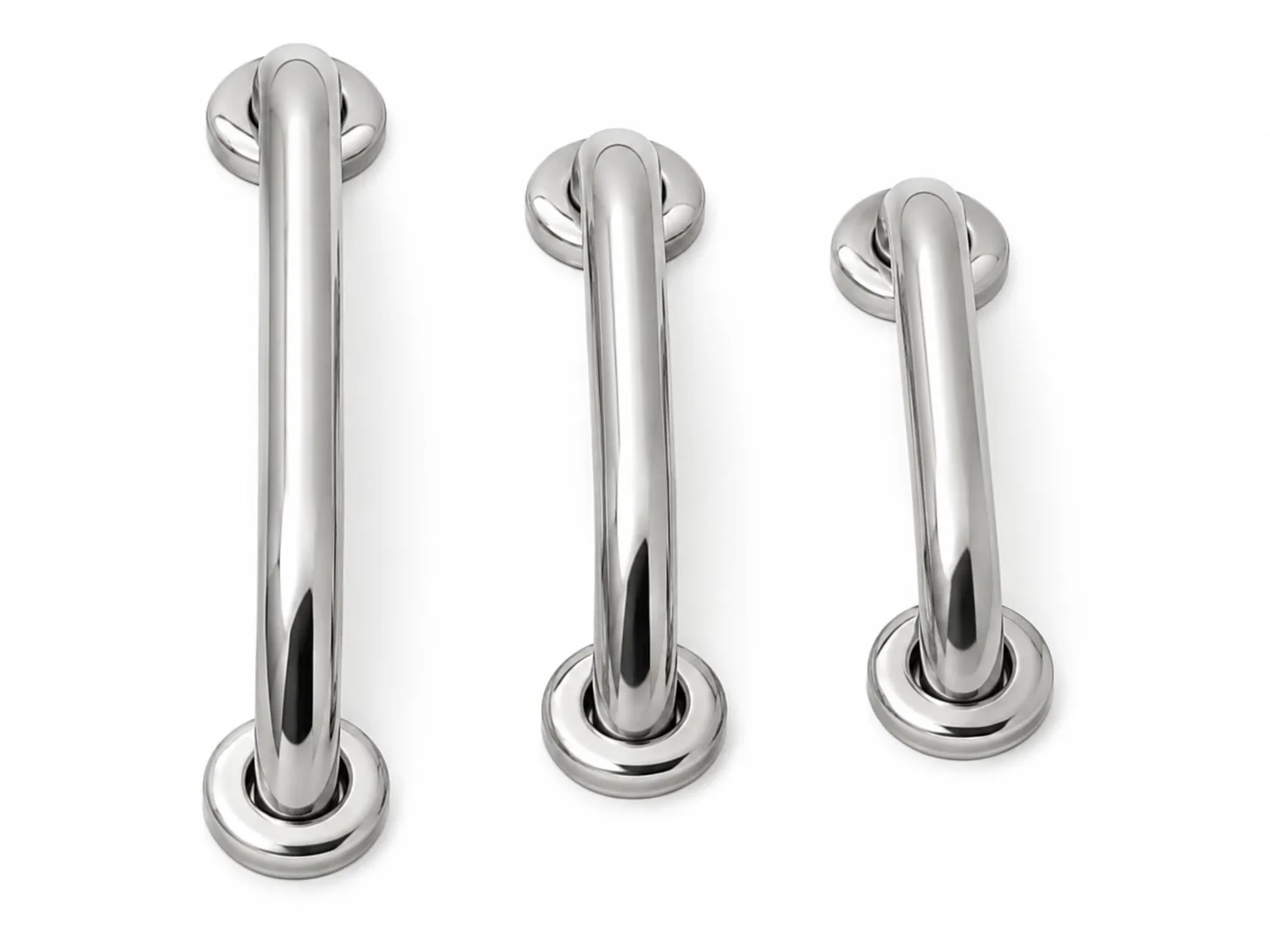
The Curved Grab Handle is listed in 8-inch, 10-inch and 12-inch sizes and photographed with a curved tubular grip and round mounting bases. “Grab handle” and “pull handle” overlap in everyday hardware language; both can describe a fixed grip used to pull or steady a moving panel.
For this design, check more than length:
Projection is the distance the handle extends from the fitted surface. Finger clearance is the usable space behind the grip. A long handle with insufficient clearance can still be uncomfortable, especially on a thick frame or beside another fitting.
Official Lockwood pull-handle documentation lists overall length, projection, fixing centres and finger clearance as separate dimensions. That is the practical reason to avoid ordering a replacement by one “inch size” alone.
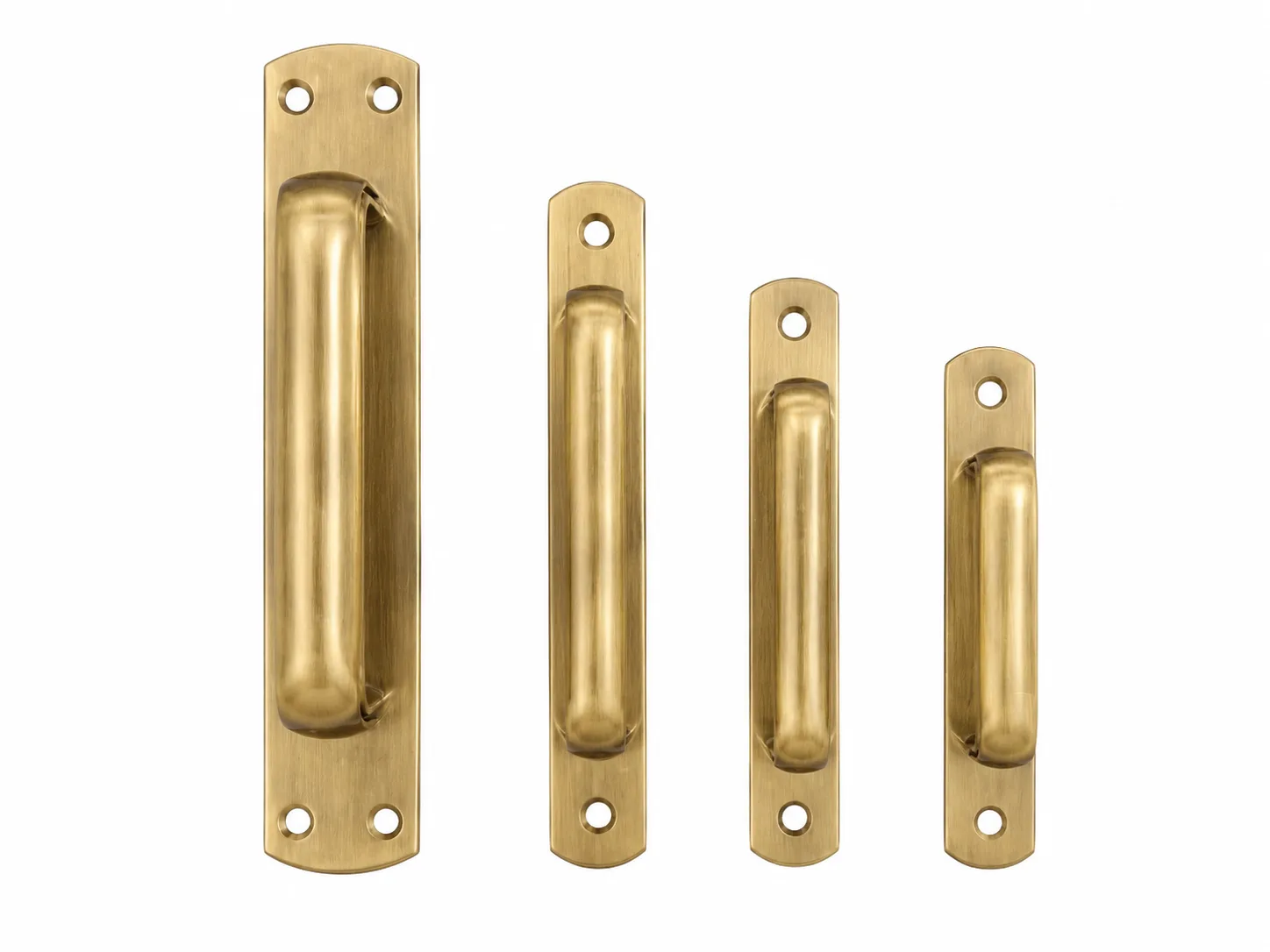
The Pull Handle with Backplate is shown in four physical sizes with a gold/brass-tone appearance, raised grip and exposed mounting holes at the backplate ends. The plate can cover marks or old holes, but it does not guarantee that its new holes line up with the previous fitting.
Measure the complete plate as well as the grip. On a replacement job, trace or photograph the old backplate position before removal. Check whether the new plate covers the old footprint without colliding with a lock, edge trim, glass line, drawer edge or neighbouring handle.
The catalogue does not currently state the numerical sizes, fixing centres, base material or supplied screws. Those are quote-stage confirmation points, not details to estimate from the photograph.
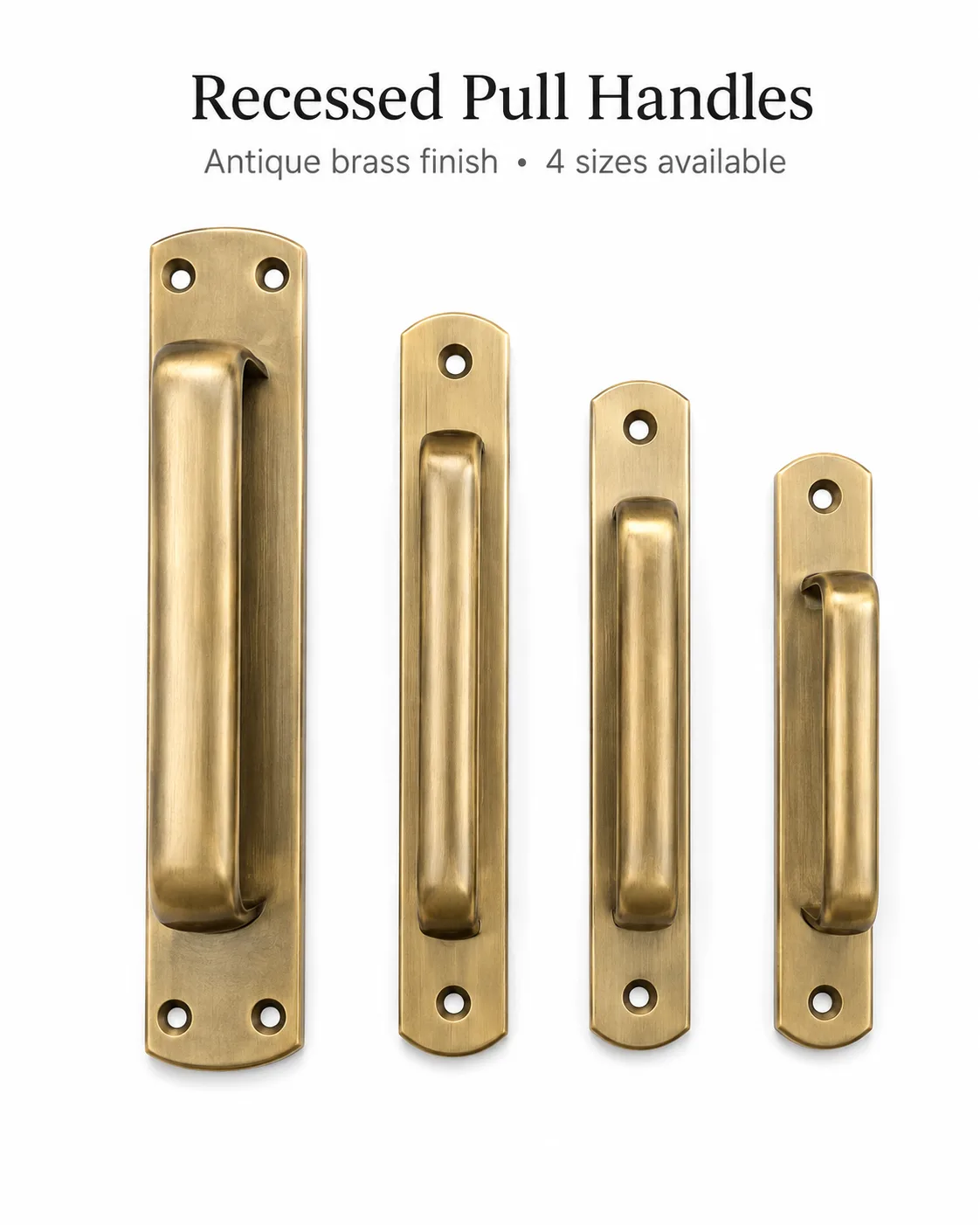
The Recessed Pull Handle is listed for compatible doors, cabinets and drawers and shown in four visible sizes. Its catalogue record identifies screw fixing, while the photograph shows an integrated grip projecting from a long backplate.
The word recessed is used inconsistently in retail listings. A true mortise pull sits in a routed or cut recess and has housing depth as well as face dimensions. Häfele's mortise-pull specifications, for example, publish centre-to-centre options and housing depth. By contrast, the MJ Trader product photograph appears closer to a shallow backplate pull with an integrated raised grip. Confirm the fitting method and required clearance before cutting any recess.
This distinction matters on sliding or folding panels, where a projecting handle may meet the frame or another panel. Do not assume the listed product is flush enough for a pocket door, sliding overlap or other restricted-clearance installation unless the physical dimensions and movement path have been checked.
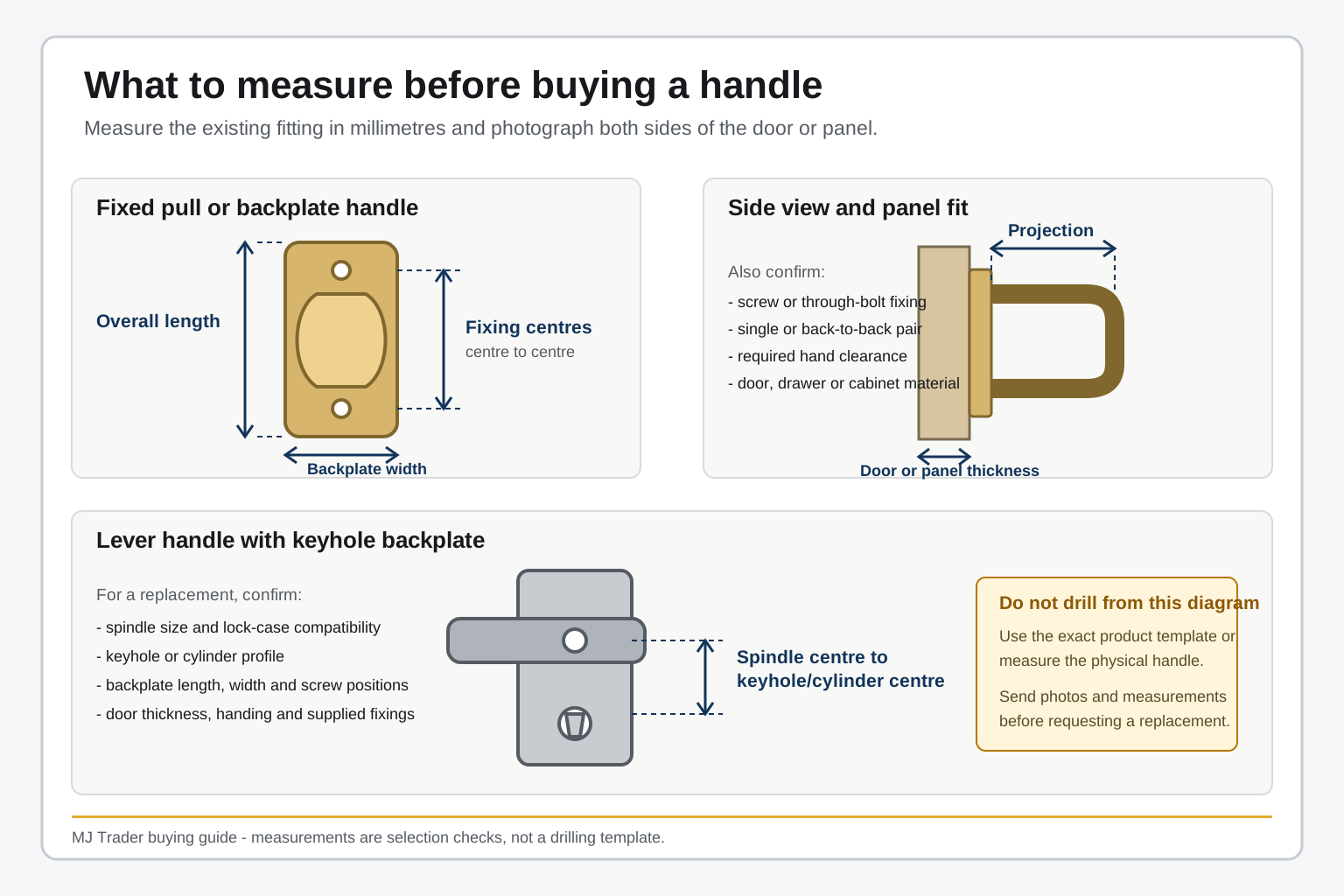
Measure the maximum outside dimensions of the handle or backplate. This tells you whether it fits the available surface and whether it can cover the footprint of the old fitting.
Measure from the centre of one fixing hole or stud to the centre of the other. Do not measure from the near edges of two holes. For a four-hole backplate, record both the vertical and horizontal spacing or make a paper template from the existing part.
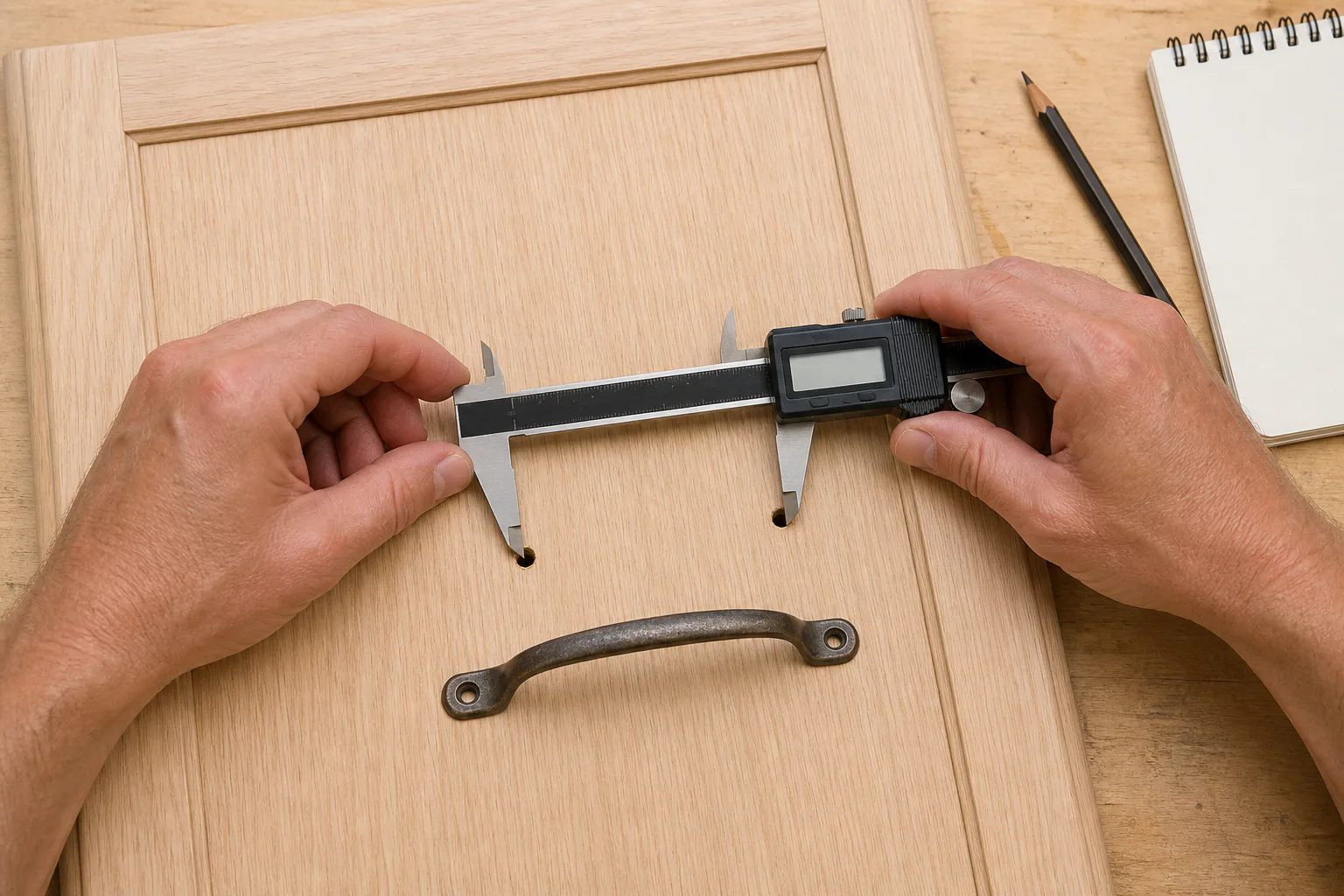
The photograph above illustrates the measuring workflow only; it is not an MJ Trader product photograph or a drilling template. Measure the physical fitting and compare it with the seller's confirmed dimensions. A clear straight-on photograph beside a ruler can also help when requesting a quote, but it should support rather than replace measurements.
Measure how far the fitted handle extends from the surface and how much usable room sits behind the grip. Check the complete opening path so the handle cannot strike a wall, frame, adjacent door or another panel.
Through-bolts, spindles and back-to-back fixings must span the material without being too short or projecting incorrectly. Face-fixed screws must suit both the fitting and the substrate. Record whether the panel is timber, metal, glass, board or another construction; do not drill glass or unknown safety-rated assemblies from a general guide.
For a lever on backplate, measure the spindle centre to the keyhole or cylinder centre. Also identify the cylinder profile and spindle size. A plate with the wrong centres will not align with the lock case even if the outside dimensions look right.
Photograph both sides after removing the old handle, if safe to do so. Note whether it used wood screws, machine screws, through-bolts, threaded studs or back-to-back fixings. Reusing damaged or enlarged holes without repair can leave the new handle loose.
For a replacement, compatibility comes first. Match the function, hole pattern, lock centres, spindle, panel thickness and footprint before comparing finish. One sample should be fitted and tested before ordering a large quantity.
For a new installation, choose the function and position first, then use the exact product's drilling template or physical measurements. Check structure behind the fixing area and the complete door or drawer movement. A generic internet diagram, including the diagram in this article, is not a drilling template.
Where a handle is used on a fire-rated, emergency-exit, accessible or other regulated doorset, the hardware must be selected as part of that approved assembly and applicable local requirements. A similar appearance is not evidence of certification.
Add the relevant handles to your quote list, or browse Door Hardware and Furniture Hardware. Clear measurements help MJ Trader confirm the available option without guessing from a front-view photograph.
A lever normally rotates a spindle to operate a compatible latch or lock. A pull handle is normally fixed and only provides grip. A fixed pull can still be used on a door, but a separate latch, lock, roller catch, closer or other hardware may control that door.
Not necessarily. The size might describe overall length or another nominal dimension. Ask for the centre-to-centre hole spacing and overall size separately.
It may cover them visually, but that does not mean the new fixing points are sound or correctly positioned. Measure the footprint and inspect the substrate after removing the old fitting.
The names overlap. “Grab” often describes the shape or how it is held, while “pull” describes the action. Use the physical dimensions, fixing method and intended application rather than relying on the label alone.
No. A true mortise pull needs a prepared recess and has a specified housing depth. Retailers also use recessed-style wording for shallow or integrated grips that still project. Check a side view and dimensions.
No. The spindle, lock-case function, backplate centres, keyhole or cylinder profile, door thickness and fixings must be compatible. Compare the exact parts or bring the old set as a sample.
Selection criteria were checked against official ASSA ABLOY lever-handle specifications, which separately identify door thickness, spindle, projection, fixing and lock-case compatibility; the official ASSA ABLOY pull-handle brochure, which distinguishes mounting arrangement and door thickness; and official Lockwood pull-handle technical information, which records overall length, projection, fixing centres and finger clearance separately. The difference between surface pulls and true recessed fittings was checked against Häfele mortise-pull specifications, including centre-to-centre and housing-depth data.
These external specifications are used to explain which measurements matter; they are not attributed to MJ Trader's products. Product-specific statements are limited to the current MJ Trader catalogue records and photographs. Where an exact dimension, material, supplied component or certification is not recorded, this guide tells the buyer to confirm it instead of making an assumption.
Ask to confirmModern lever door handle with rectangular backplate and keyhole cutout, available in two finishes.
Price on request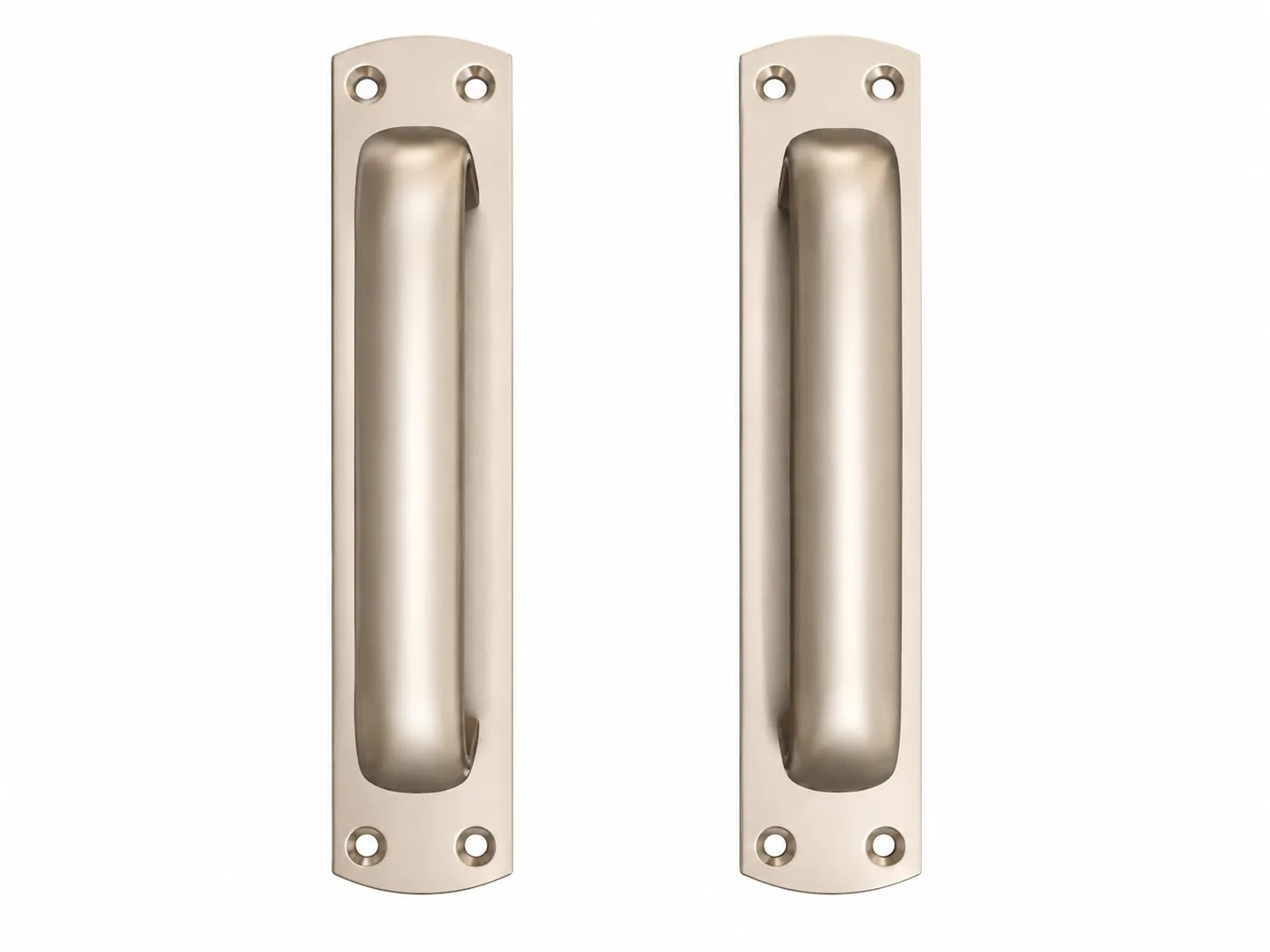 Ask to confirm
Aluminium pull handle available in 7 inch and 8 inch sizes.
Price on request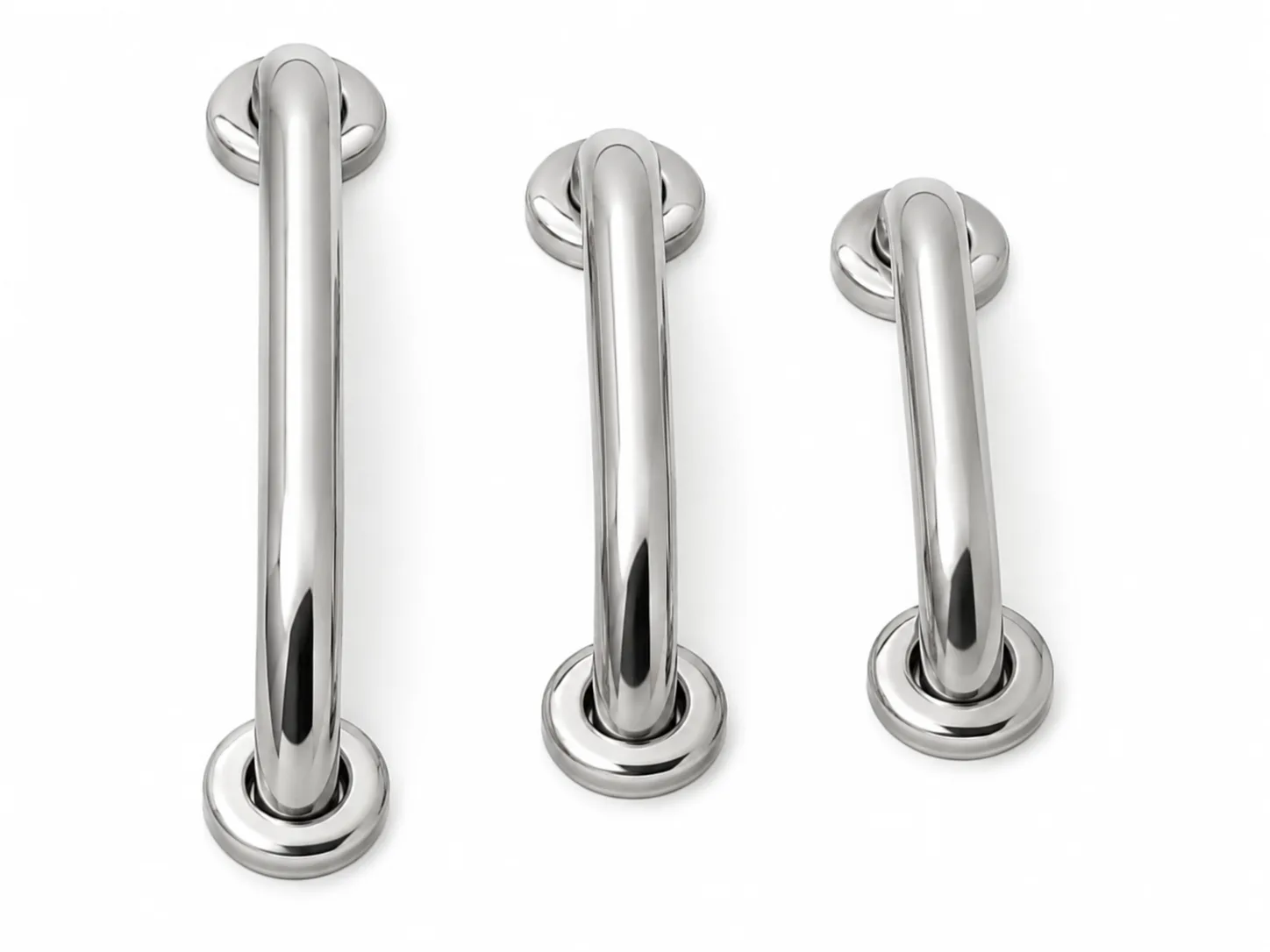 Ask to confirm
Curved grab handle available in 8 inch, 10 inch and 12 inch sizes.
Price on request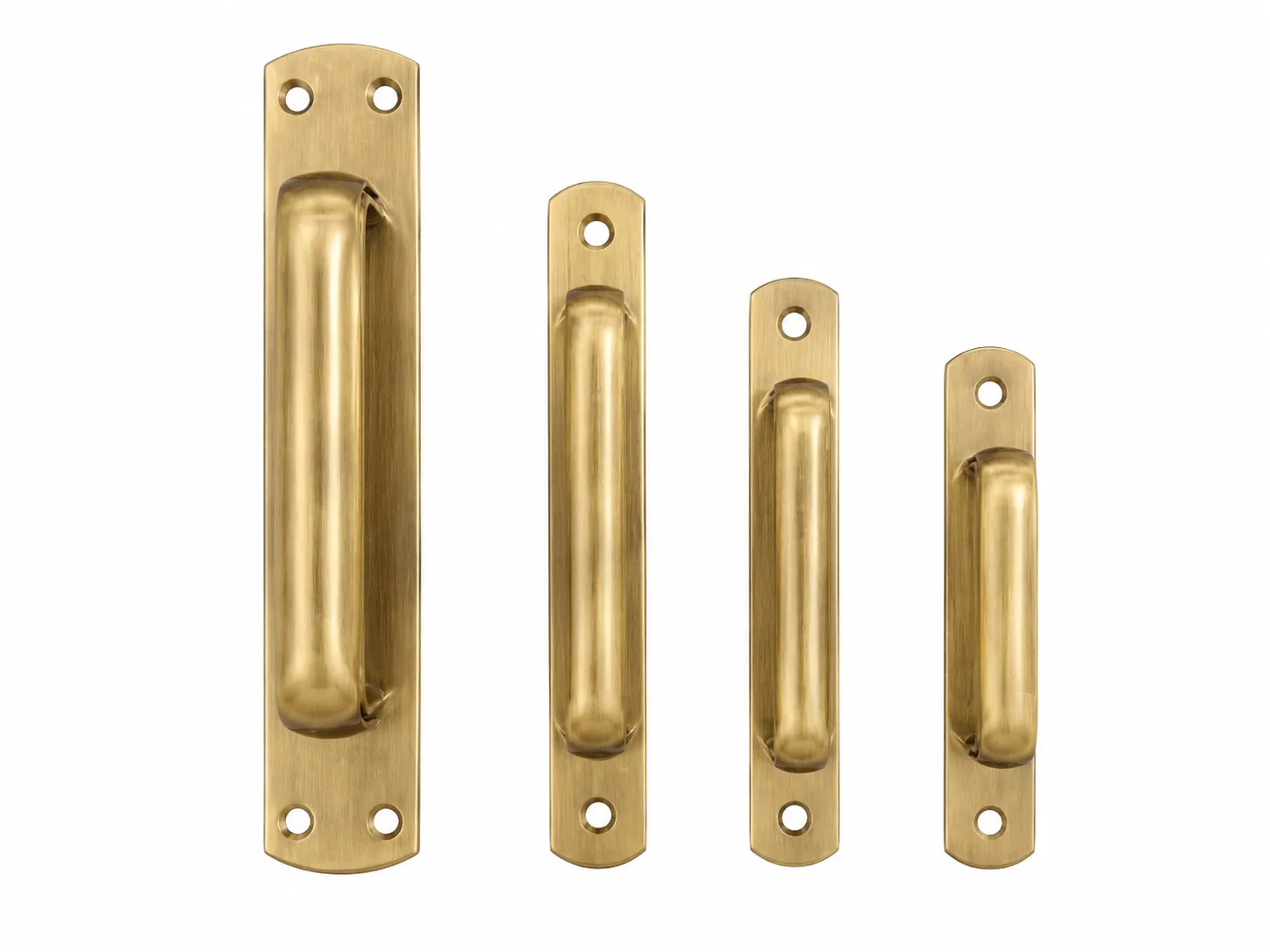 Ask to confirm
Metal pull handle with a long backplate and exposed mounting holes, shown in multiple sizes.
Price on request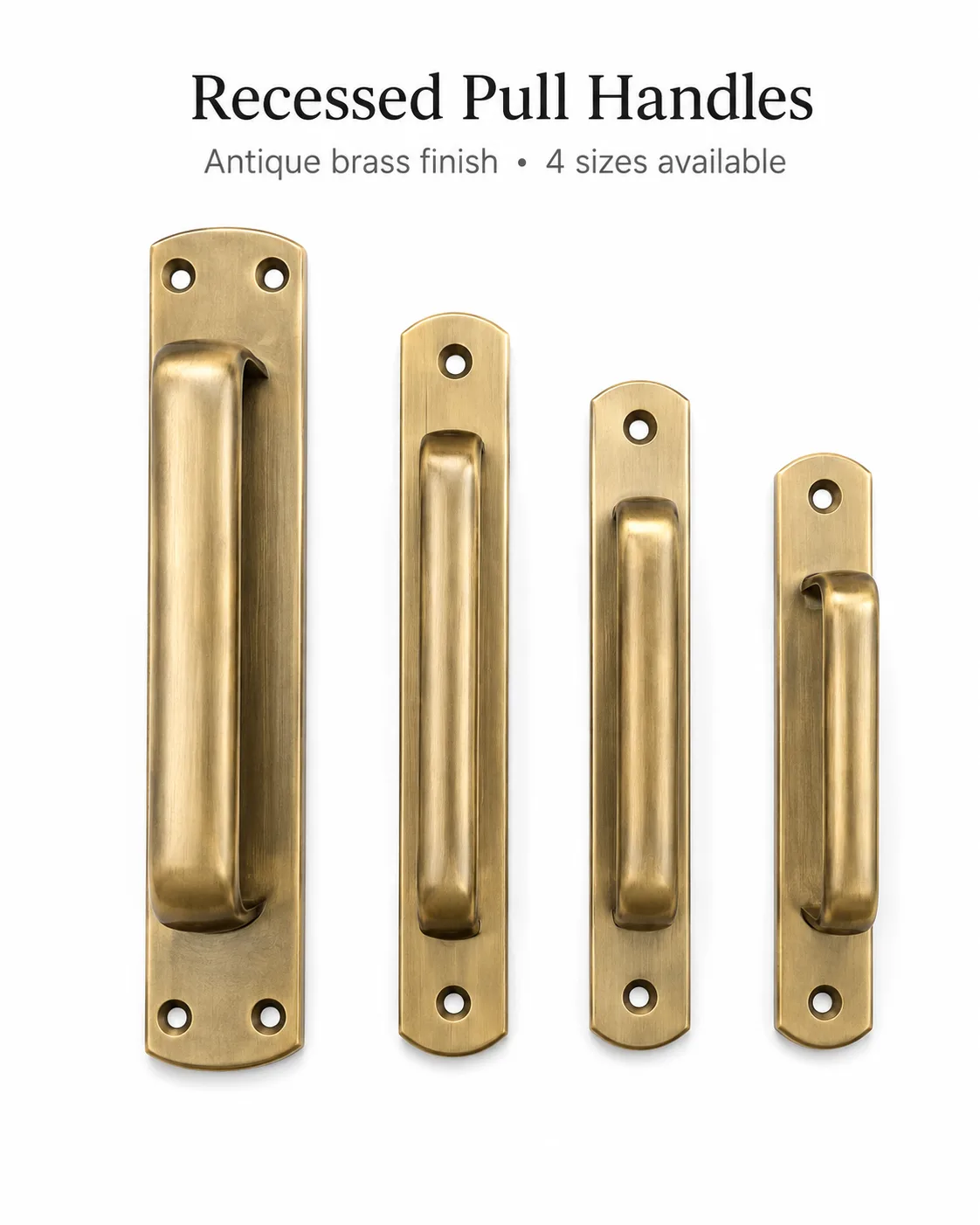 Ask to confirm
Recessed pull handle with a brass/gold finish, available in four visibly different sizes for doors, cabinets and drawers.
Price on requestMeasure piano hinge length and width, understand gram variants, and send a clear enquiry with the correct finish, fitting details and quantity in pieces.
A door that slams, sags, or leaks is telling you something. 5 signs your door closer needs attention, plus how to adjust or replace it.
A practical checklist for buying hardware in Bohrapir: what to photograph and measure, how to compare fittings, and what to confirm before travelling.
Browse the catalogue or message MJ Trader on WhatsApp to check current prices and availability for supply across Pakistan.Email quotations / RFQsadminmjtrader@gmail.com