 Ask to confirm
Hand Tools
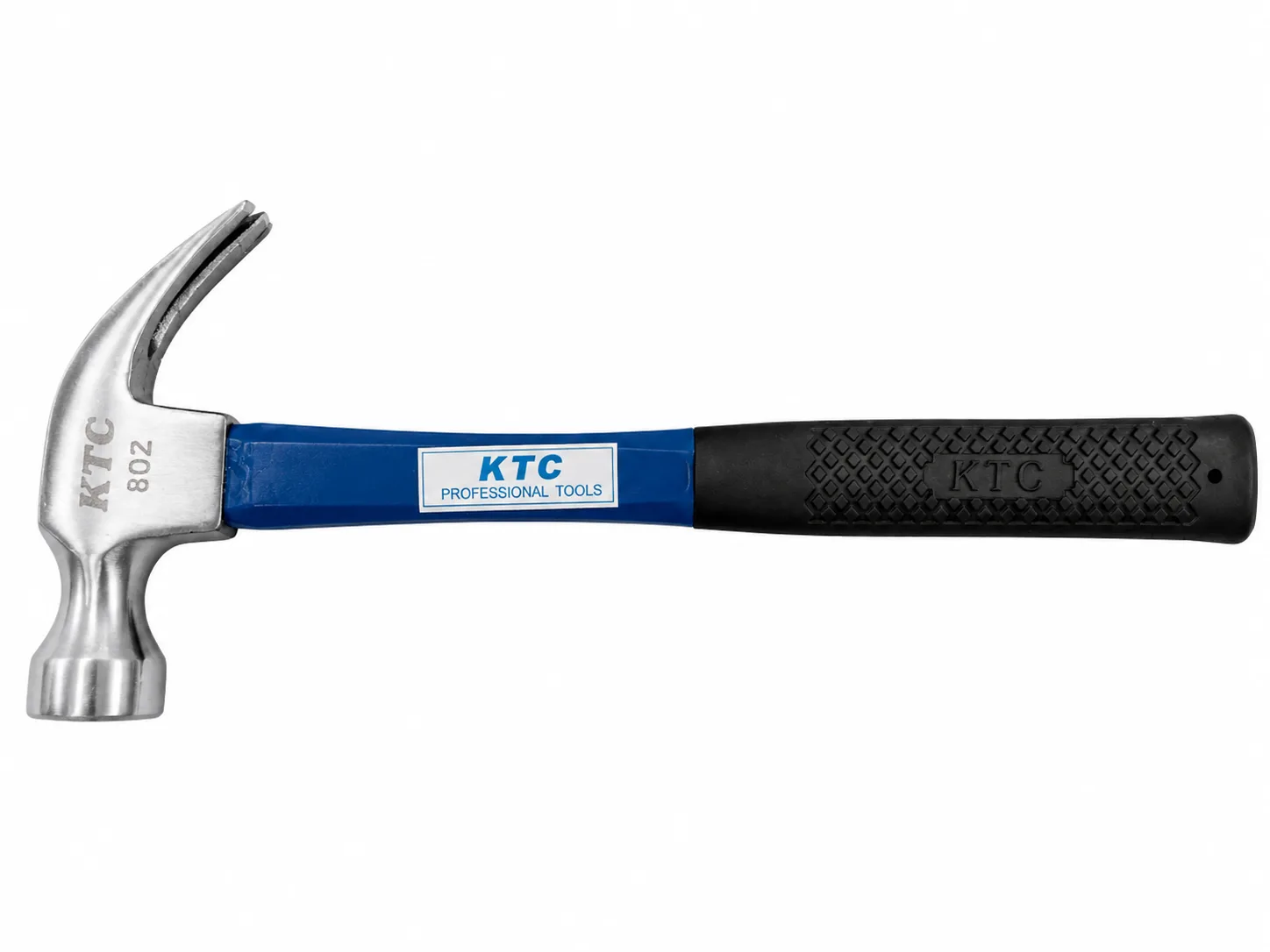
KTC 8 oz Claw Hammer
KTC 8 oz claw hammer with blue shaft and black textured grip.
KTC
Price on requestChoose five essential hand tools for furniture fitting and hardware repairs: compare a claw hammer, screwdriver, cutters, hacksaw and utility knife.
By MJ TraderPublished 13 August 2026Updated 14 August 2026~11 min read
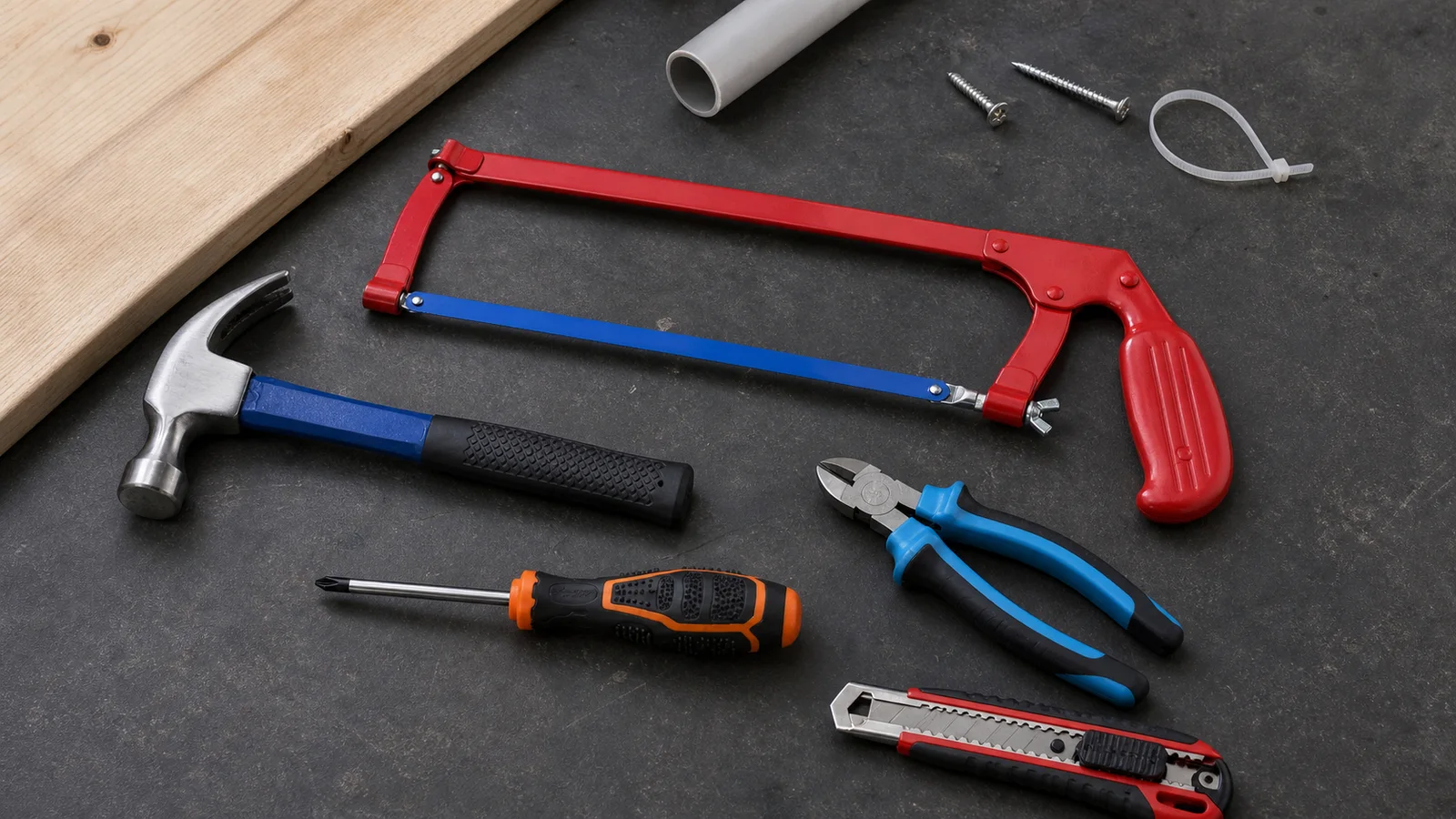
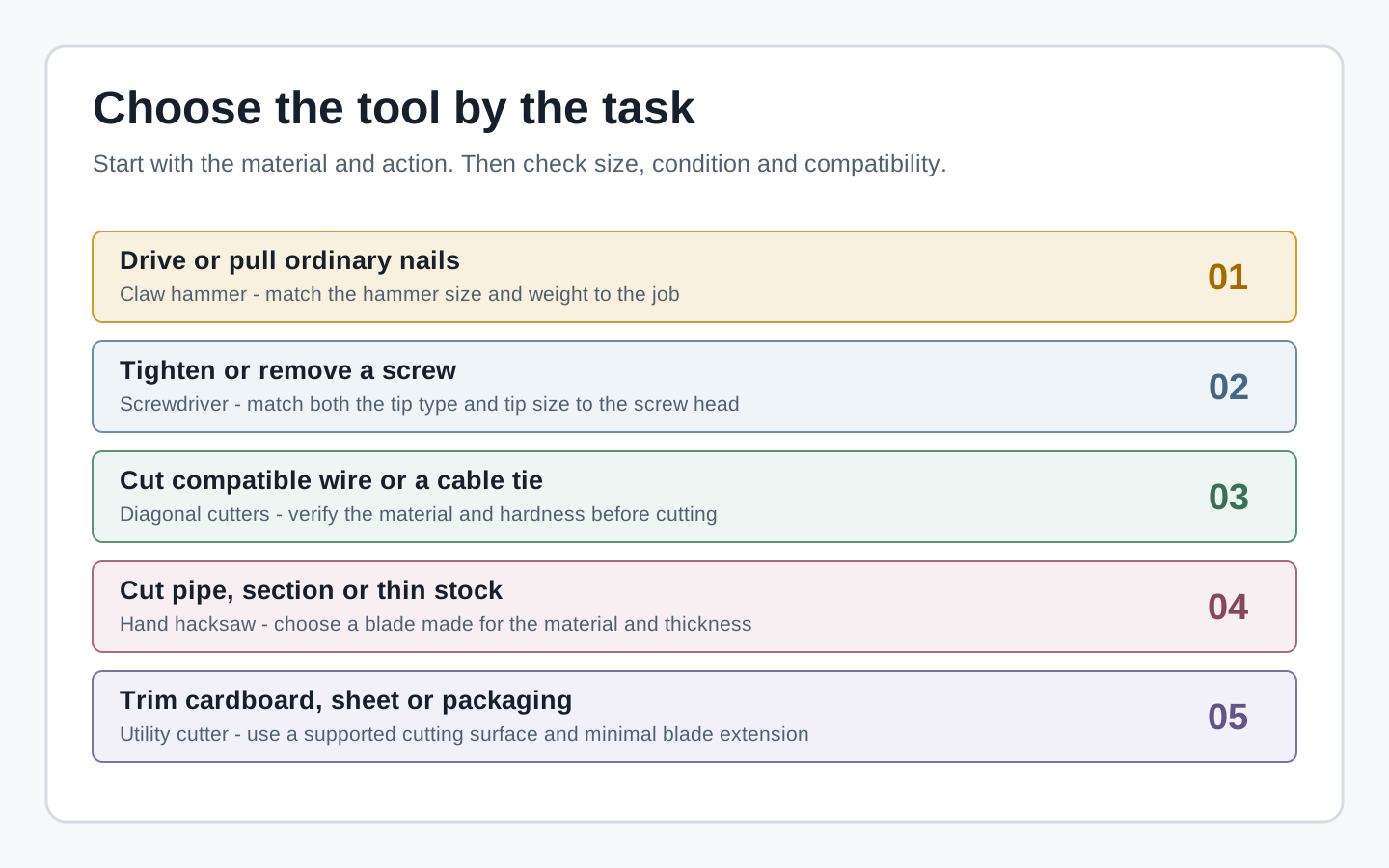
A useful starter toolkit does not need dozens of nearly identical tools. For common furniture fitting, door-hardware adjustment, packaging, light workshop cutting and general repairs, begin with the actions you actually perform: drive a nail, turn a screw, cut compatible wire, saw stock, or trim sheet material.
Five tools cover those actions at a basic level: a claw hammer, correctly matched screwdriver, diagonal cutting pliers, hand hacksaw and utility cutter. They are not interchangeable. The material, fastener, scale of work and required finish decide which tool and size you need.
This guide explains what each tool is for, what to check before buying, and where a specialist tool is safer or more effective. It does not claim that one small kit replaces trade-specific equipment, training or personal protective equipment.
Add a measuring tape, square, pencil, clamps or vice, and the task-specific protective equipment you need. Accurate marking and a secured workpiece often matter as much as the cutting or fastening tool itself.
Buy for your next repeated task, not for the largest-looking set. For cabinet and furniture hardware, a correctly matched screwdriver is often the first need. Add a claw hammer when your work actually uses nails, diagonal cutters for confirmed compatible wire and ties, a hacksaw for pipe or section, and a utility cutter for packaging and suitable sheet material.
If you regularly measure, mark or cut workpieces, plan the complete sequence before buying. A measuring tool, square and clamp may prevent more mistakes than adding another cutting tool without a way to guide or secure the work.
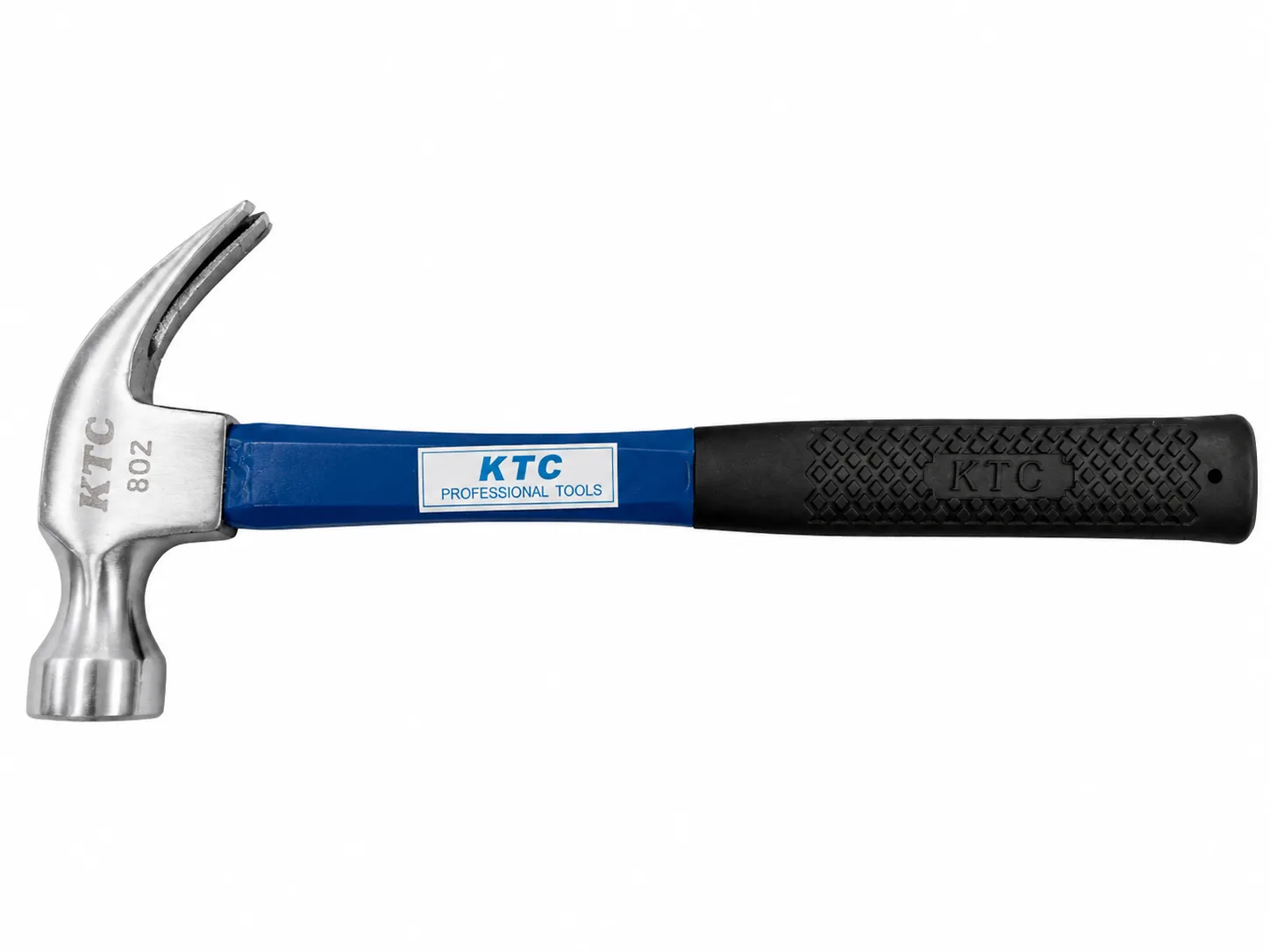
The KTC 8 oz Claw Hammer is marked 8 oz and has a claw for pulling compatible nails. Its compact head weight makes it a practical option to consider for controlled, lighter nail work, furniture assembly and general household tasks.
Do not read 8 oz as a universal hammer size. Hammer designs and weights are made for different purposes. Larger framing nails, masonry work, demolition, striking hardened tools and heavy metal shaping can require a different hammer type, face and weight. A claw hammer should not be used as a substitute for every striking tool.
Before buying, check:
The Canadian Centre for Occupational Health and Safety recommends selecting a hammer of the proper size and weight for the job, checking that the head is firmly attached, and removing hammers with damaged faces or handles from use.
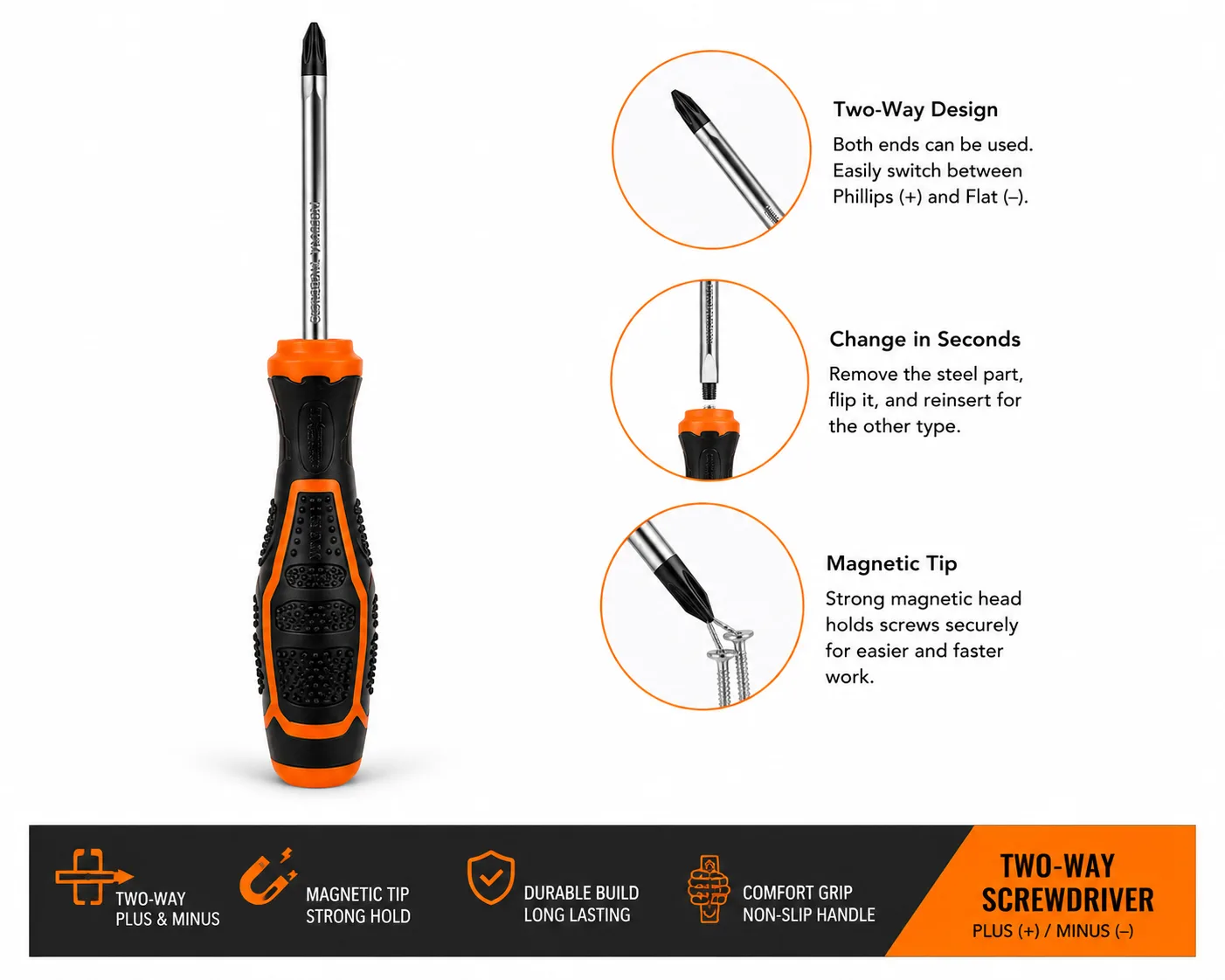
The Two-Way Magnetic Screwdriver has a removable reversible shaft with Phillips and slotted ends. The catalogue lists 4-inch and 6-inch options. The magnetic tip can help hold a compatible screw while starting it, but it does not correct a poorly matched tip.
A screwdriver should match both the type and size of the screw recess. A tip that is too small, too large or the wrong pattern can slip, damage the screw head and make later removal difficult. A Phillips tip is not automatically correct for every cross-head screw.
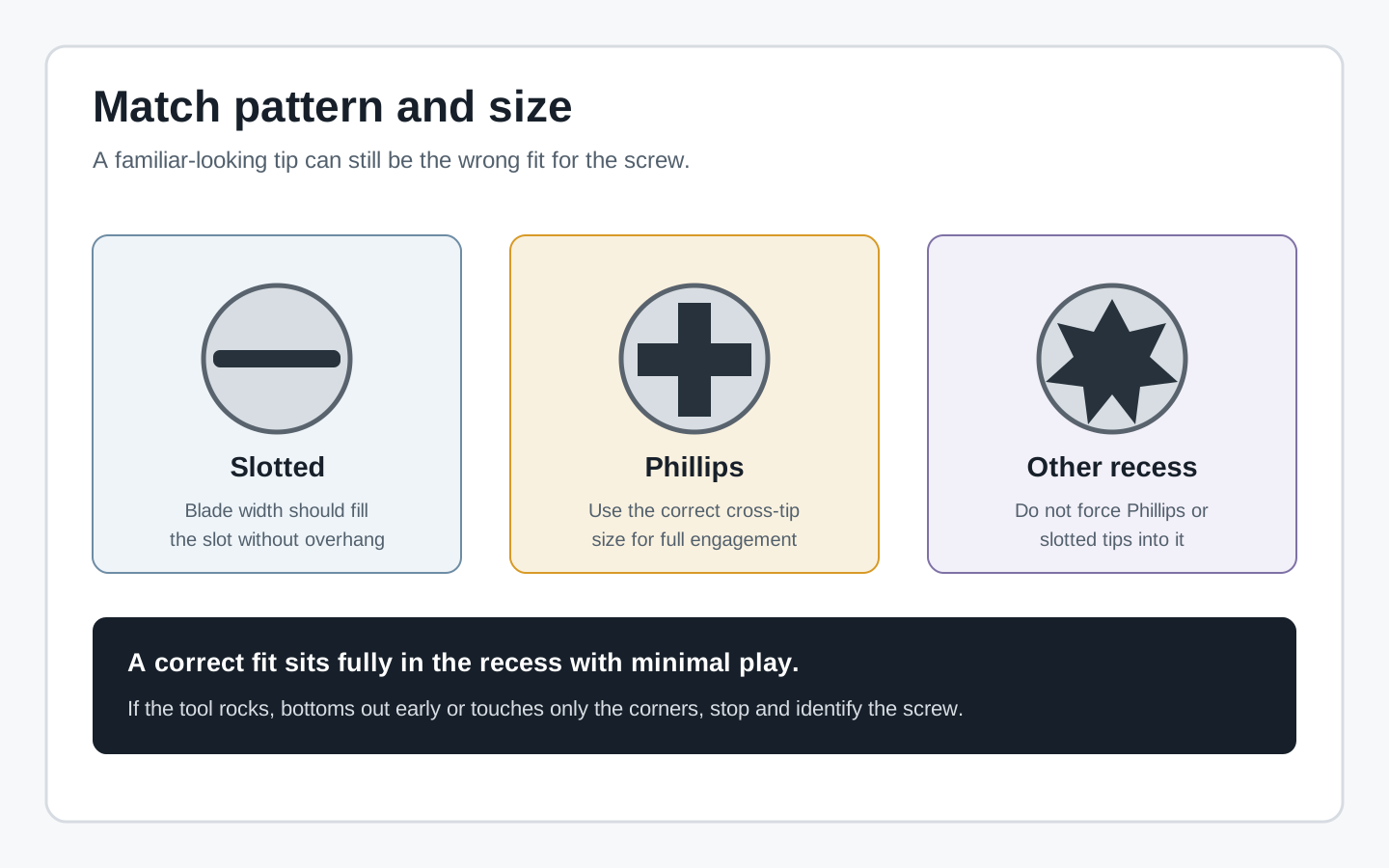
Check the screws already fitted to the hinge, handle, lock or cabinet hardware. Photograph the head straight on and, when possible, bring one loose screw as a sample. For electrical work, an ordinary plastic or rubber grip must not be treated as certified electrical insulation. De-energise equipment and use tools specifically rated for the work.
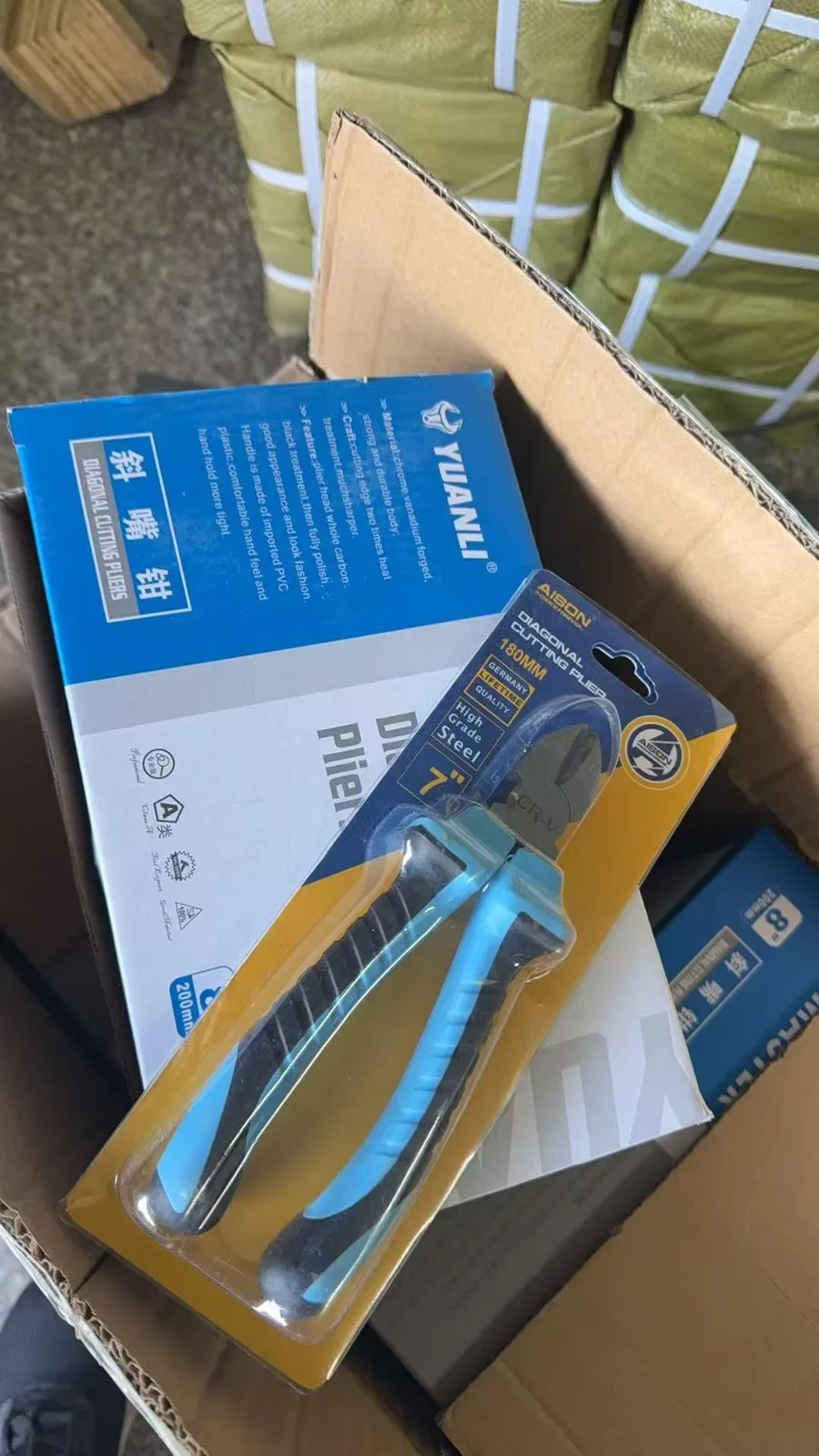
The 7 Inch Diagonal Cutting Pliers are listed for cutting compatible wire, cable ties and small metal components. The catalogue records a 7-inch size and a CR-V marking visible on the tool.
Diagonal cutters concentrate force at their cutting edges. That makes them useful for an appropriate wire or small fastener, but it does not mean they can cut every cable, nail, screw or hardened wire. Cutting material beyond the tool's stated capacity can damage the edges or cause fragments to fly.
Before cutting, identify the material and diameter. Cut at a right angle rather than rocking the tool side to side, keep the cutting edges in good condition, and use eye protection where pieces could fly. Cushion grips provide comfort; they do not by themselves prove electrical insulation.
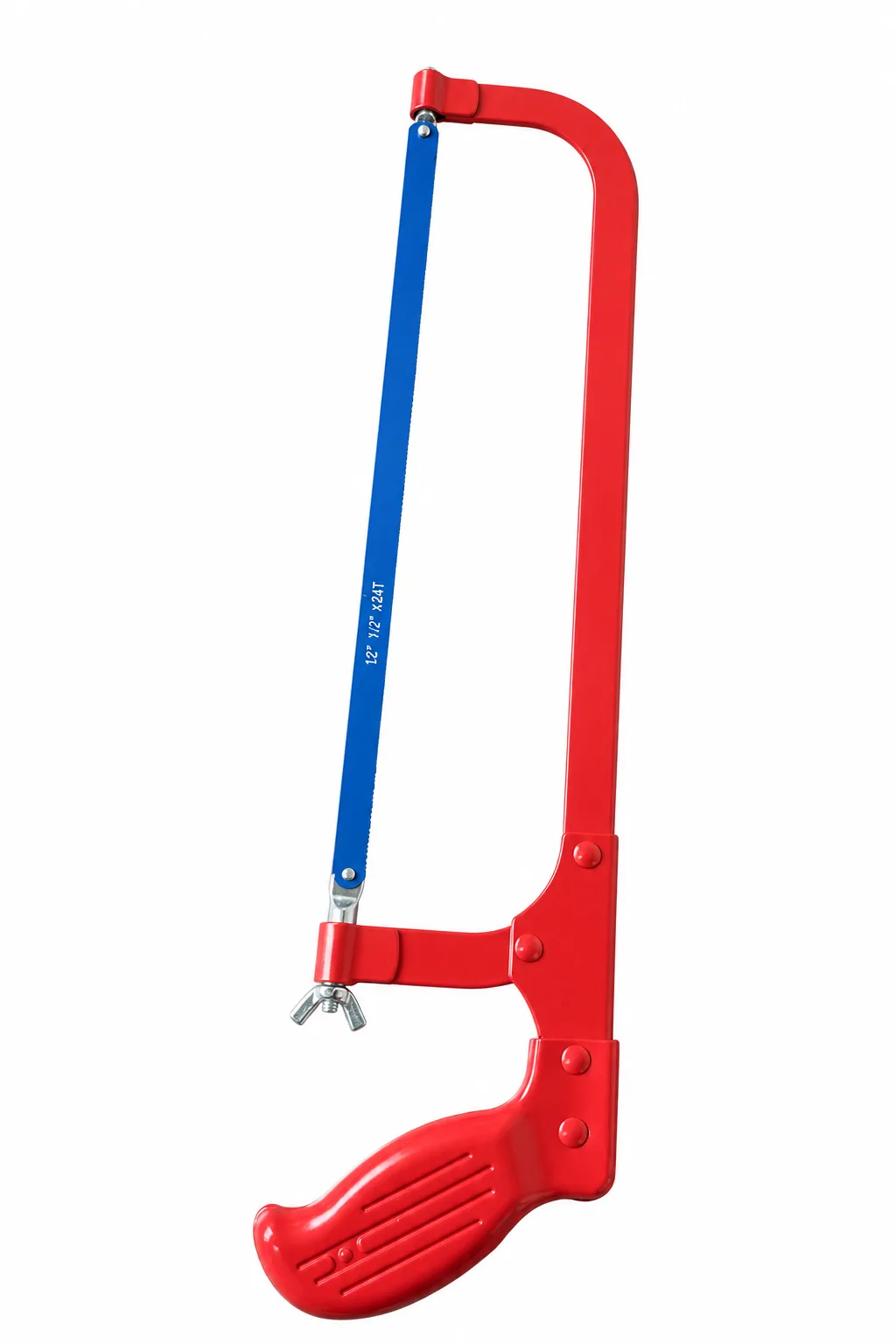
The 12 Inch Hand Hacksaw uses a replaceable blade in a rigid frame. A hacksaw can be useful for compatible metal section, plastic or PVC, but the frame alone does not establish what it will cut well. Blade material, tooth pitch, condition and installation matter.
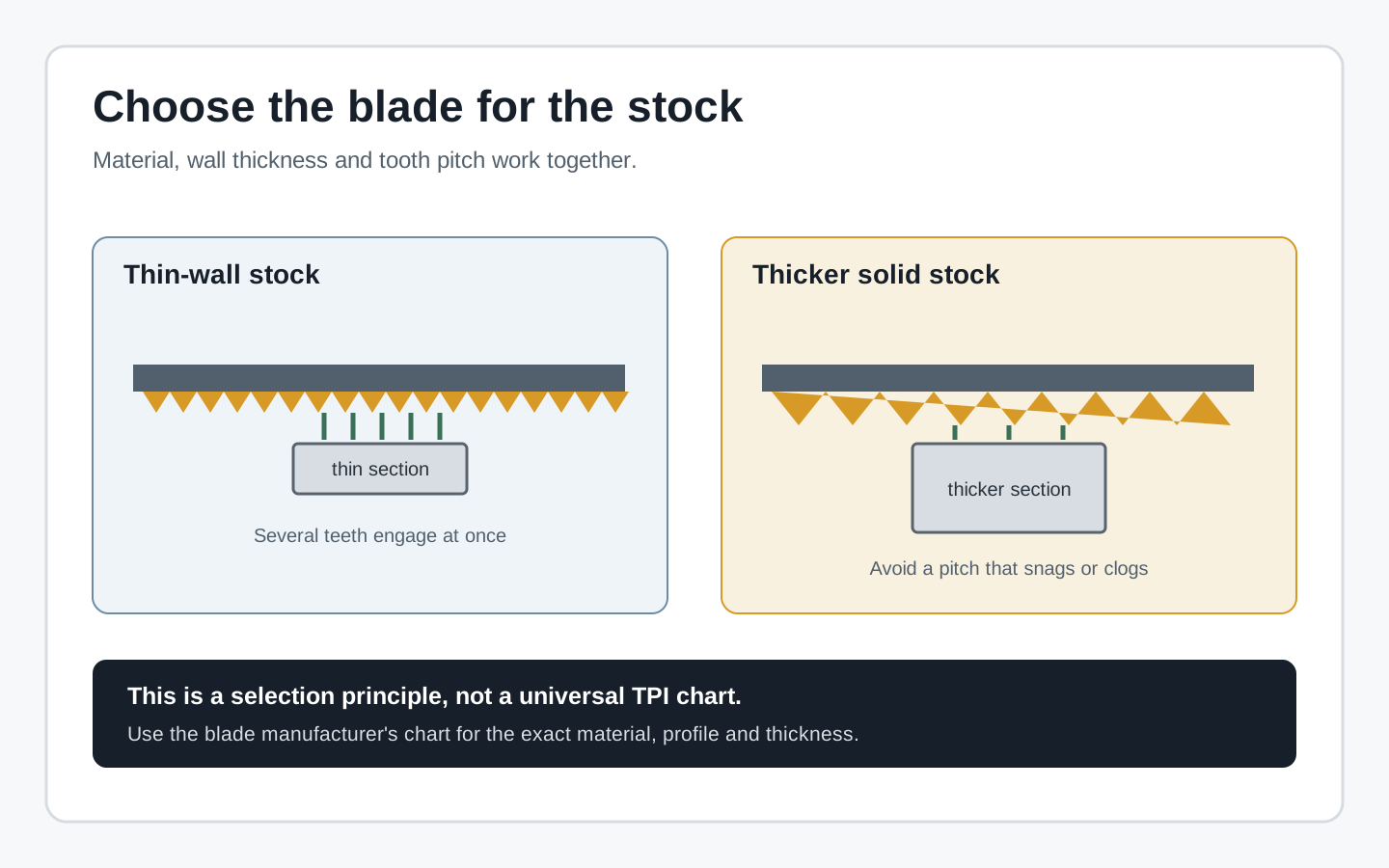
Choose a blade intended for the material and thickness. Thin stock normally needs enough teeth engaged at once to avoid snagging, while a very fine blade can cut slowly or clog in unsuitable stock. Check the blade manufacturer's guidance instead of using one tooth count for every material.
Fit the blade in the direction specified for the frame, tension it correctly, clamp the work securely, and use controlled strokes without twisting the blade. Replace loose, cracked, missing-tooth or badly worn blades. Check behind and beneath the cut before working on fitted pipe, panels or building fabric.
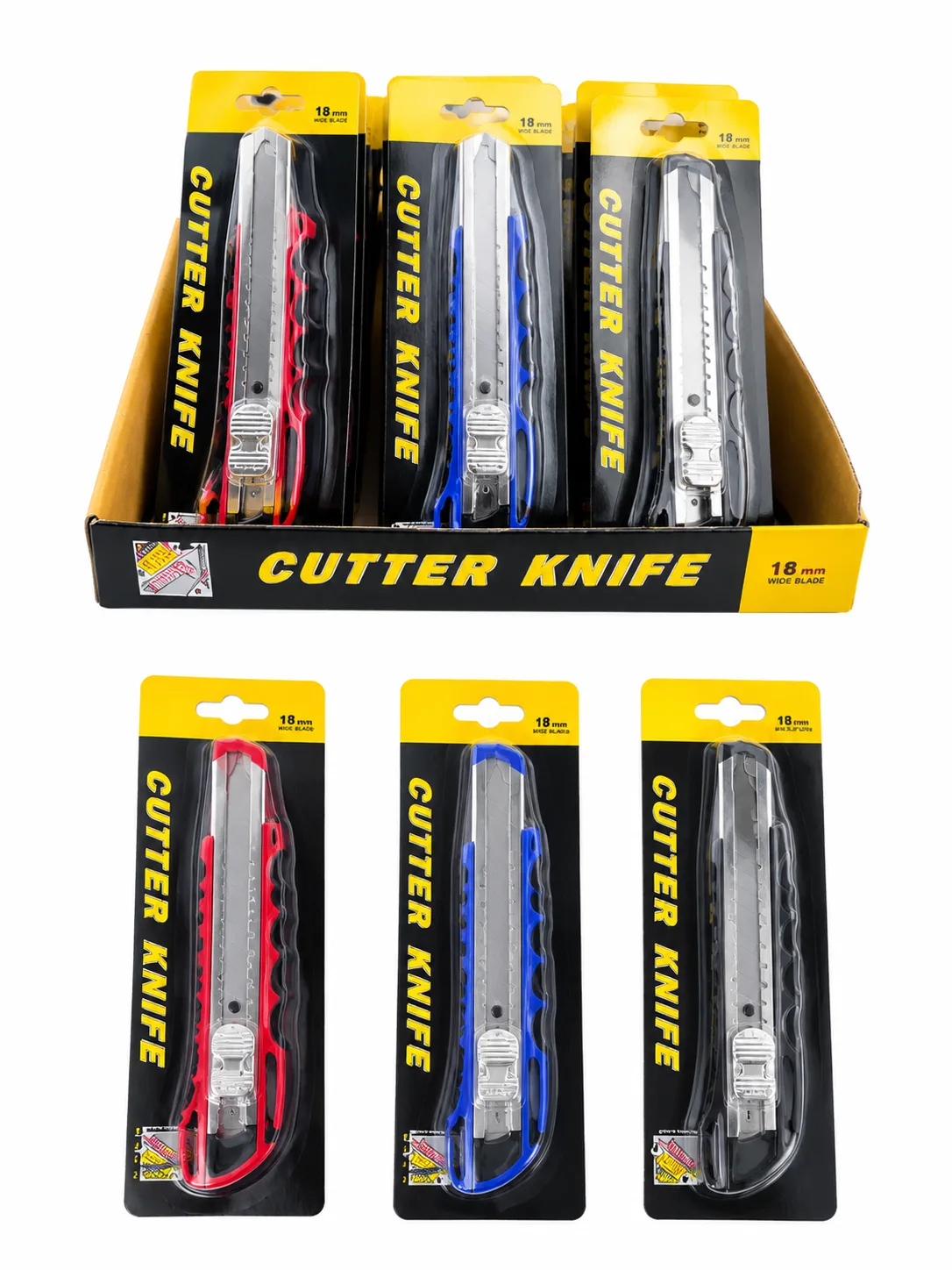
The 18 mm Snap-Off Cutter Knife has a sliding blade lock and segmented snap-off blade. It is listed for compatible lightweight materials such as cardboard, paper, packaging tape, foam board and plastic sheet.
Use a stable cutting surface, keep your free hand out of the cutting path and extend only enough blade for the material. A long exposed segment is easier to bend or break. Retract the blade after use and store the knife where the edge cannot be contacted accidentally.
Do not use a utility knife as a screwdriver, pry bar or substitute for a saw. Thick, rigid or brittle material may need a different cutting tool and support method. Blade snapping should only be done by a controlled method specified for the knife, with protection from flying fragments.
Purpose-built safety cutters may use concealed or limited-exposure blades for packaging work. That does not change the design of the MJ Trader cutter shown above, but it is a useful alternative to consider when repeated carton opening or workplace policy makes exposed-blade risk a concern.
A screwdriver is central for hinges, handles, catches and other screw-fixed fittings. A cutter can open packaging and trim suitable lightweight material; diagonal cutters may trim compatible ties or wire. A hammer is useful only where nails or a compatible tapped fitting are part of the job. Do not hammer a screw into place or strike a hinge to correct poor alignment.
For carpenters and furniture fitters, separate installation work from adjustment work. Mark hole positions, confirm door or drawer alignment, support the workpiece and use the fastener specified for the fitting. The correct hand tool cannot compensate for a misplaced hole, mismatched screw or unsupported panel.
Identify every screw head before choosing a driver. Support the door where movement could load the hinge. A hammer may help with ordinary nail work, but lock bodies, cylinders, decorative finishes and hydraulic door closers should not be struck. Installation templates and manufacturer instructions take priority over a general toolkit guide.
Use a hacksaw only with a suitable blade and a securely clamped workpiece. Use the cutter only for materials within its intended capacity. If the job involves installed walls, floors or pipework, establish whether electrical cable, water, gas or another service is hidden behind the cutting area.
A utility cutter can open cartons and trim packaging, while diagonal cutters can remove compatible cable ties. Cut away from people and the product inside the package. Keep sharp tools retracted, covered or stored between uses so they are not left loose on a counter, ladder or floor.
Using an approximate substitute can damage the product and create more risk than pausing to obtain the correct tool.
OSHA requires workplace hand and power tools to be maintained in safe condition. Even outside a formal workplace, inspection is a sensible buying and use habit: a damaged tool should be repaired correctly or removed from service, not pushed through one more job.
You can browse Hand Tools or request a quote with these details. For an uncertain replacement or fitting job, bring a sample or clear photographs to either MJ Trader branch listed on the Contact page.
No. The KTC product is marked 8 oz, but hammer weight and design should match the nail, material and scale of work. Heavy framing, demolition, masonry and striking hardened tools can require a different hammer.
No. A reversible Phillips and slotted tool covers two common tip types, but each screw still needs the correct pattern and size. Other recesses need their matching driver.
Only if the manufacturer gives the cutter that capacity. Do not infer it from handle length or a material marking. Use a tool designed and rated for the material.
Match blade material and tooth pitch to the workpiece material and thickness, then confirm compatibility with the frame. Bring the stock dimensions or a sample when requesting a quote.
Do not assume so. Thin compatible sheet and thick rigid plastic behave differently. Use the minimum blade extension, support the work and choose another cutting method when the blade could bind or break.
No assumption should be made from grip material alone. De-energise the equipment and use properly rated insulated tools and procedures for electrical work.
Selection and safety guidance is based on the Canadian Centre for Occupational Health and Safety fact sheets for hammers, screwdrivers, pliers and wire cutters, hand saws and hacksaws, and general hand-tool operation. Workplace maintenance and hazard principles are supported by the US Occupational Safety and Health Administration's hand and power tool guidance and construction tool requirements. Broader tool-selection context was checked against the official Stanley carpentry buying guide, while utility-knife design and concealed-blade alternatives were checked against official OLFA 18 mm knife and OLFA concealed-blade safety knife information. Product-specific statements are limited to the current MJ Trader catalogue records and photographs.
Ask to confirmKTC 8 oz claw hammer with blue shaft and black textured grip.
KTC
Price on request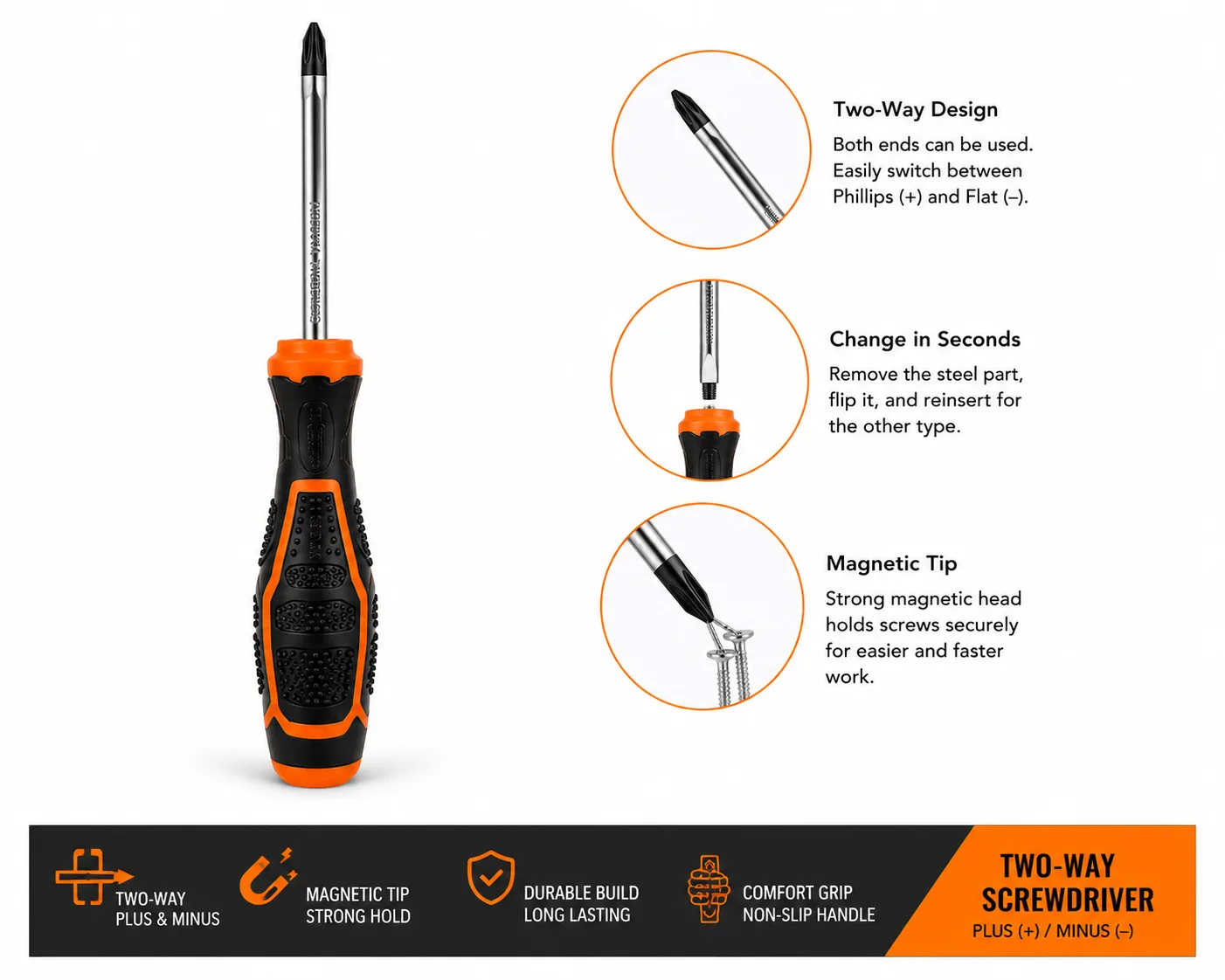 In stock
Reversible two-way screwdriver with magnetic tip for Phillips and slotted screws.
Price on request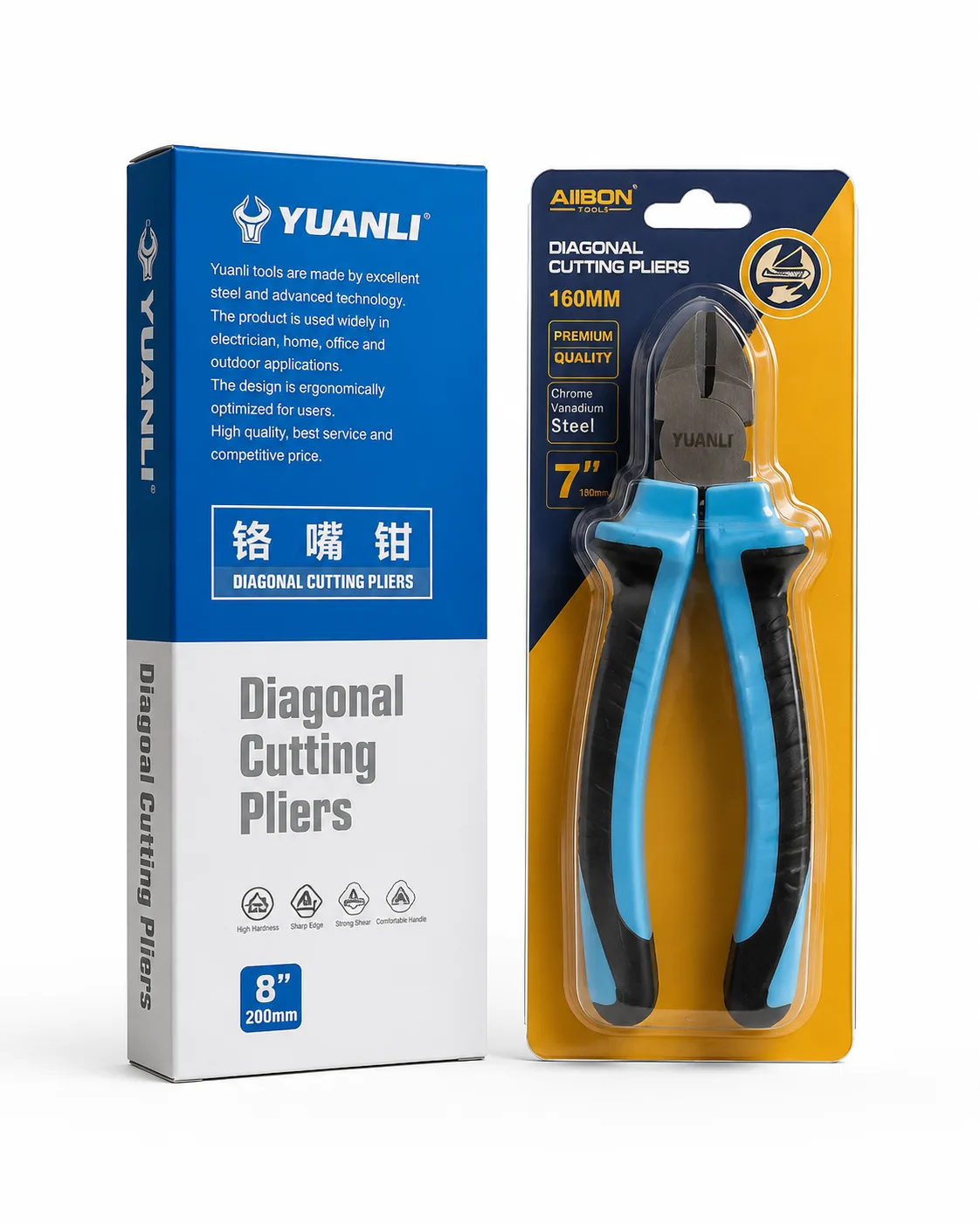 In stock
Diagonal cutting pliers for cutting wires, cable ties and small metal components.
Price on request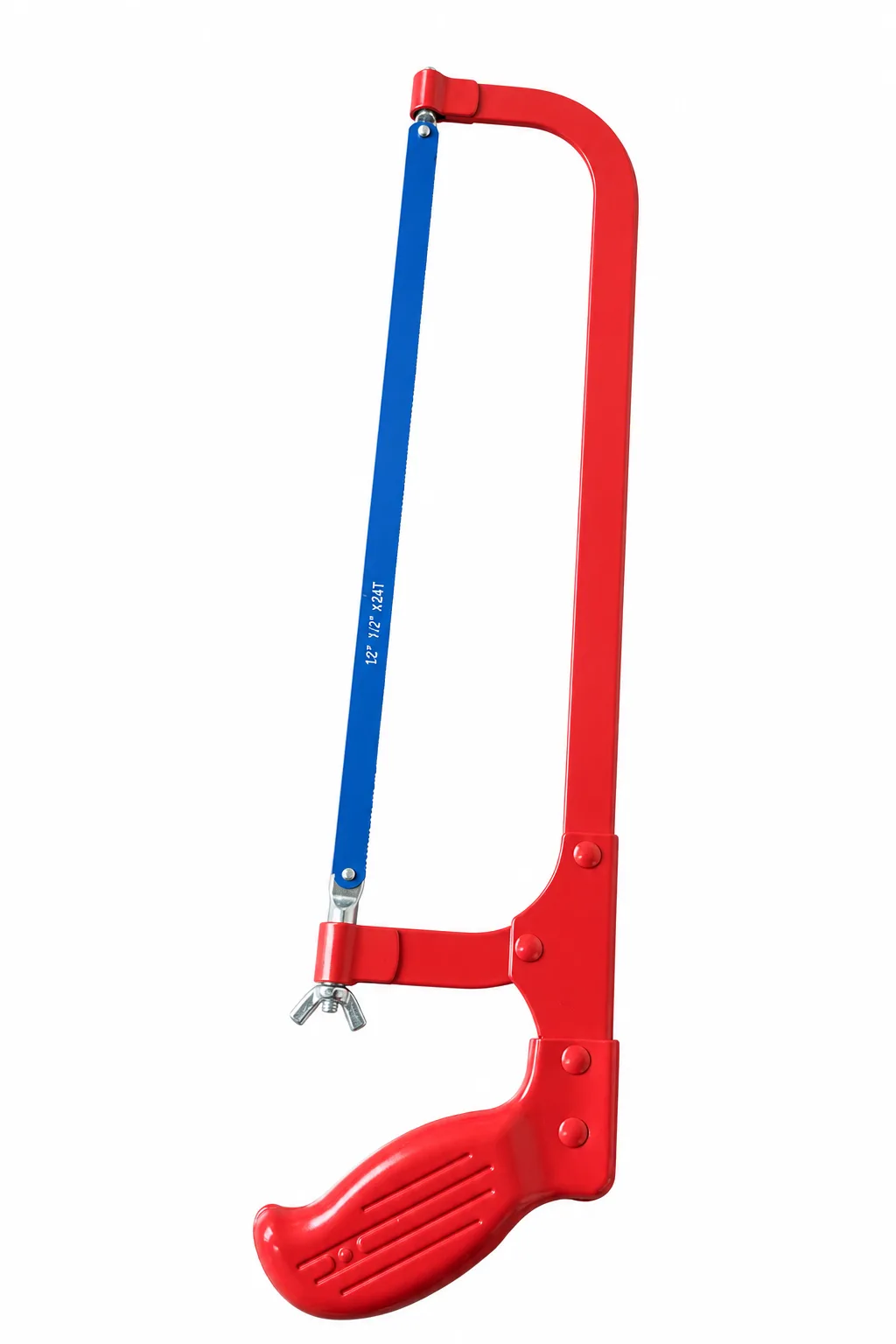 In stock
Manual hand hacksaw with a metal frame and replaceable blade for cutting a variety of materials.
Price on request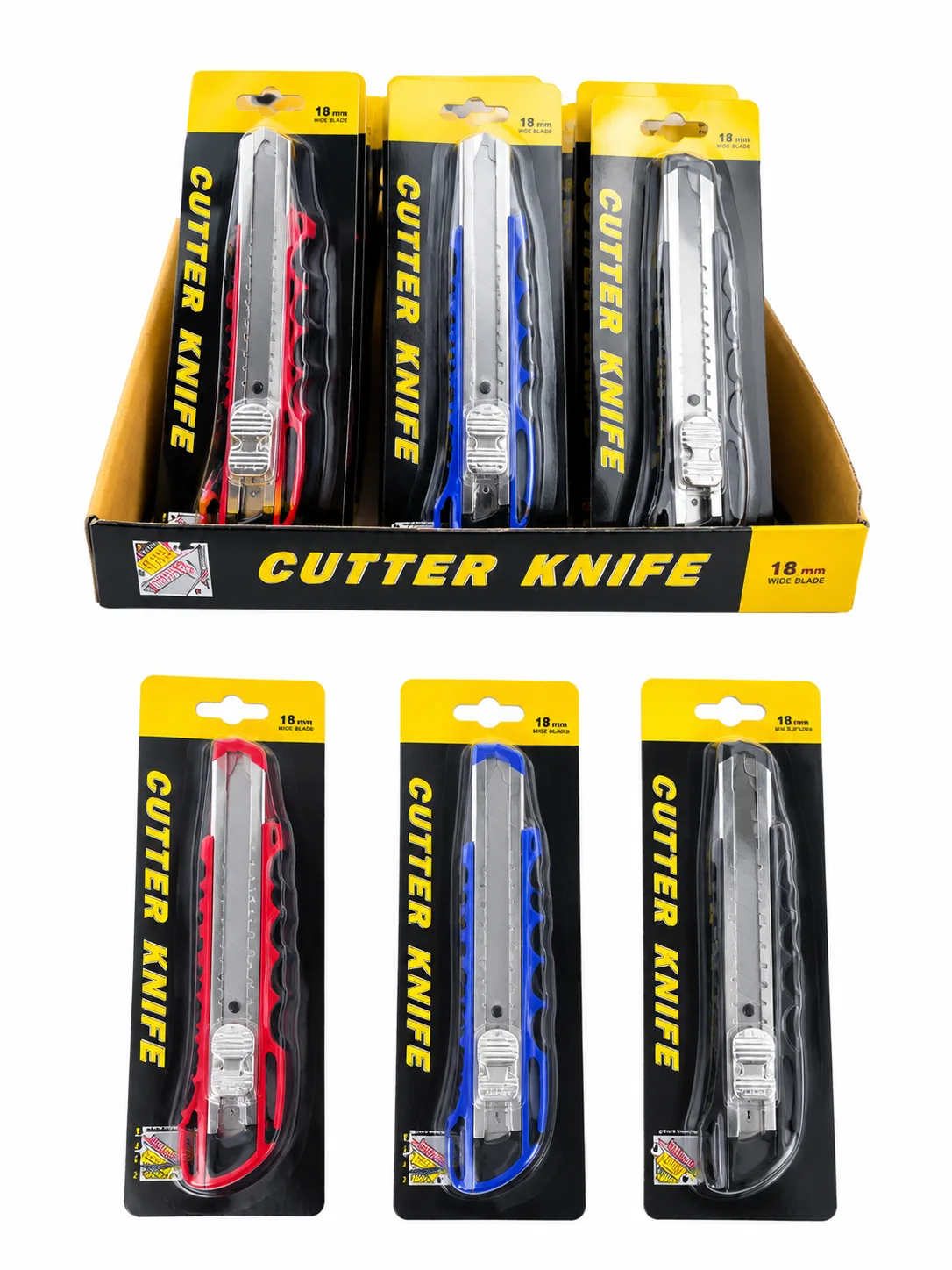 In stock
18 mm snap-off utility cutter knife for cutting cardboard, paper, plastic and other general materials.
Price on requestA practical checklist for buying hardware in Bohrapir: what to photograph and measure, how to compare fittings, and what to confirm before travelling.
Measure piano hinge length and width, understand gram variants, and send a clear enquiry with the correct finish, fitting details and quantity in pieces.
Prepare a clear hardware RFQ with the right quantities, fitting details and delivery requirements. Includes a practical checklist and sample email.
Browse the catalogue or message MJ Trader on WhatsApp to check current prices and availability for supply across Pakistan.Email quotations / RFQsadminmjtrader@gmail.com