 Ask to confirm
Locks & Security
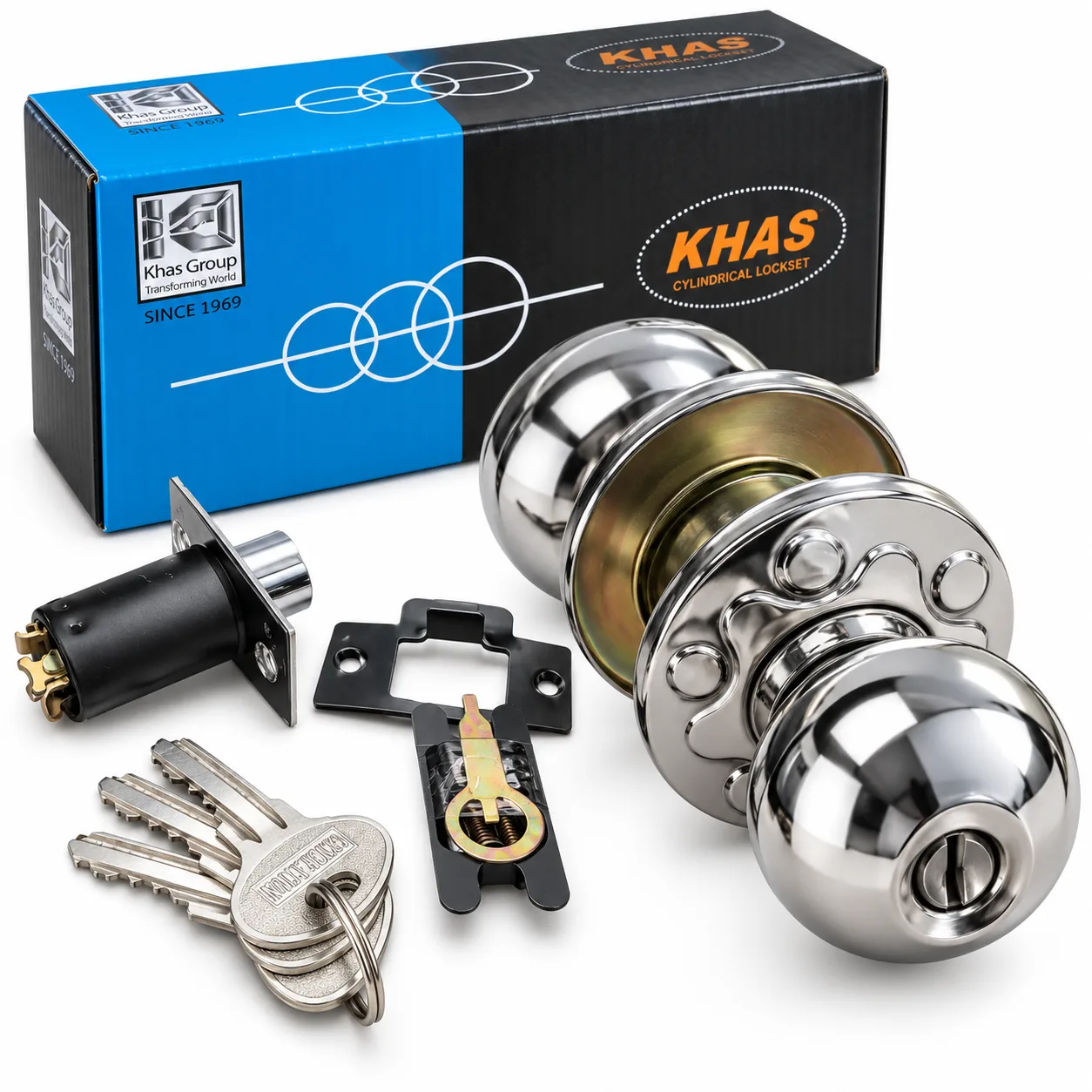
KHAS Cylindrical Door Lockset
KHAS cylindrical door lockset with round locking knobs, latch mechanism, strike plate and keys.
KHAS
Price on requestHandle lock (cylindrical lock), mortise lock, or rim lock? A complete comparison of door lock types, duty ratings, and buying tips.
By MJ TraderPublished 21 July 2026Updated 3 October 2026~5 min read
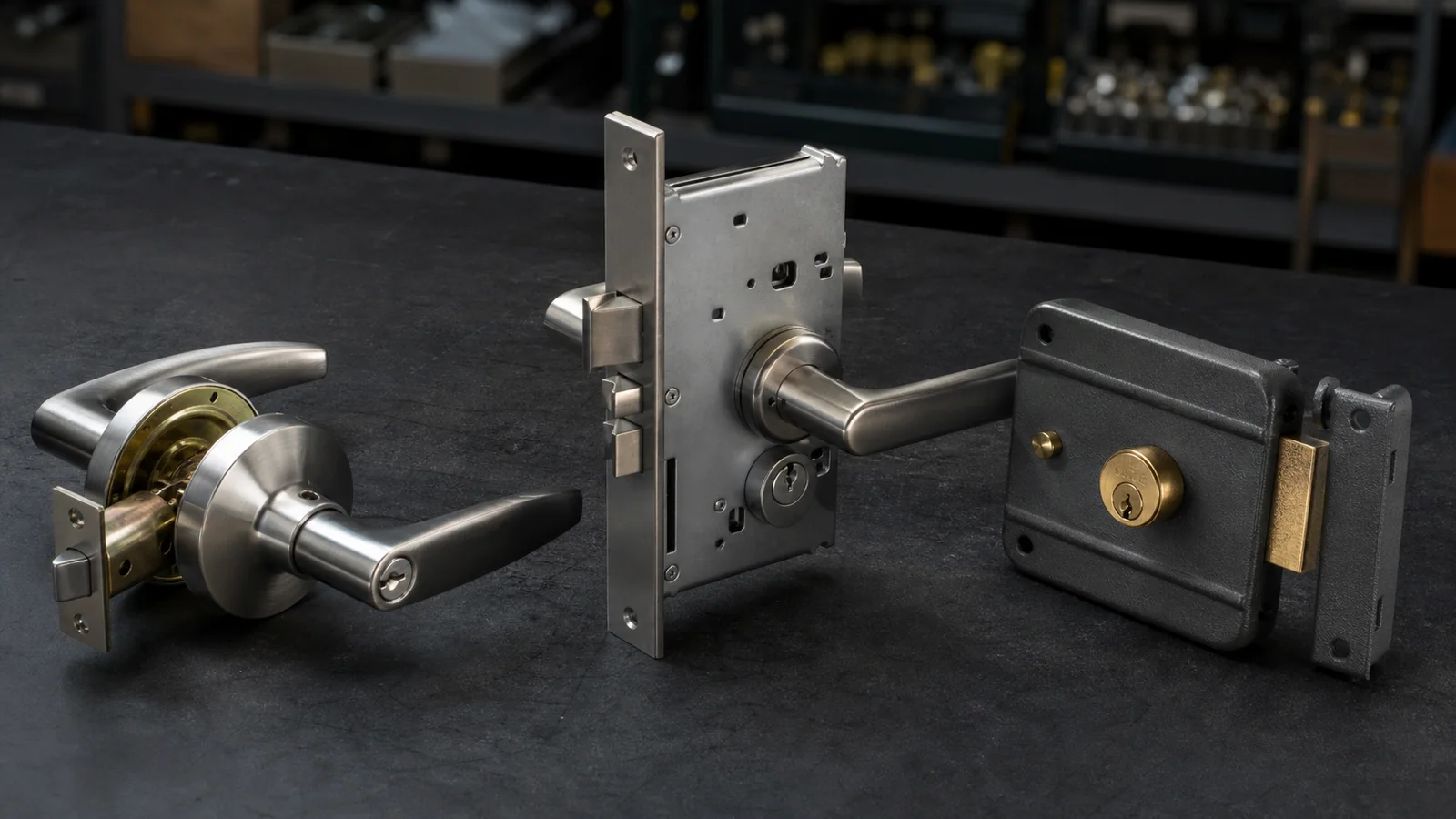
Not every door needs the same kind of lock. The right choice depends on the door material, how the lock is fitted, and how much security you need. The three most common types you'll find in a hardware shop are the handle lock, the mortise lock, and the rim lock - and mixing them up is one of the most common buying mistakes. This guide walks through how each one works, where it fits best, and what to check before you buy.
“Handle lock” is a broad shop description: handles can be paired with different locking mechanisms. A cylindrical or tubular bored lockset normally fits through prepared holes in the door face and edge. Confirm the exact construction and function rather than treating every handled lock as cylindrical.
A mortise lock's body fits into a prepared pocket in the door edge. It can have different latch, bolt and operating functions, with compatible handles and cylinders selected for the exact case.
Measure the case, backset, faceplate, handle-to-cylinder centres and door thickness. Confirm the door can accept the preparation. Do not assume every mortise lock is stronger than every cylindrical model; compare the documented exact products and the complete fitted assembly.
A rim lock is mounted on the surface of the door rather than cut into it, usually on the inside face, and is paired with a rim cylinder or knob on the outside. It's a practical option when you don't want to (or can't) cut into the door itself - useful on thin doors, added security on an existing door, or as a second lock alongside a handle or mortise lock.
“Heavy duty” or “main-door” packaging language is not evidence of an independently tested grade. Ask for the exact model's documented standard, grade and intended use when these matter. Consider the lock, cylinder, strike, frame, fixing method and opening requirements together.
Schlage's cylindrical and mortise ranges include model-specific graded products in both types. Those grades do not apply to other locks in MJ Trader's catalogue.
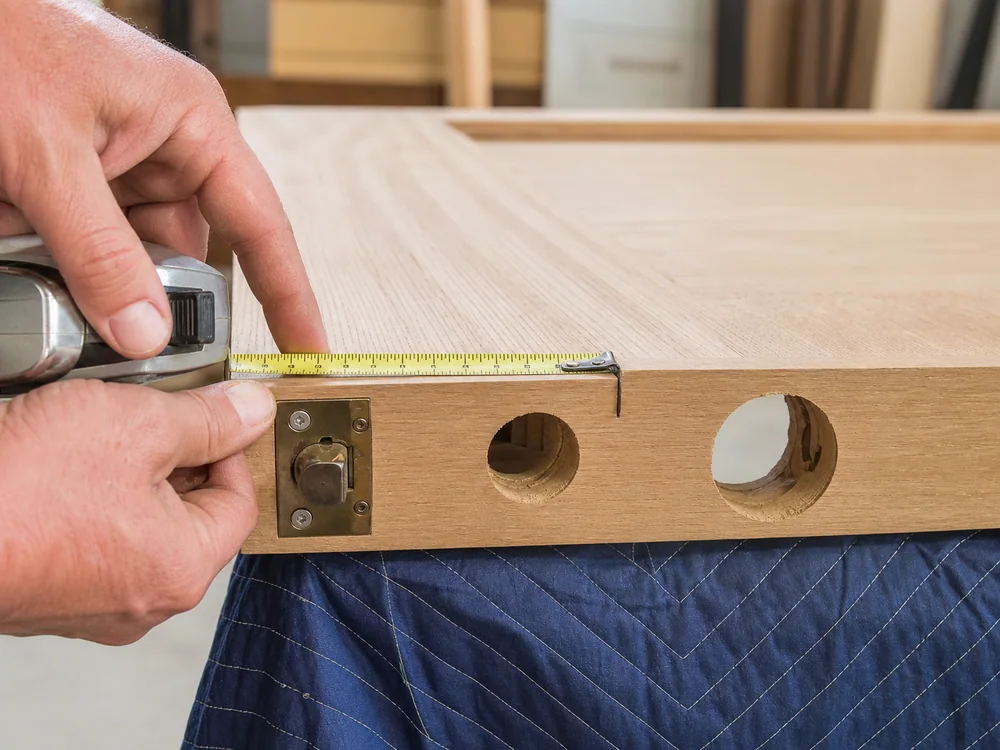
Only after checking the existing holes, door material, thickness and proposed pocket. Conversion can require door repair or new preparation. Have the fitter check feasibility before choosing the replacement; a change of fitting type alone does not establish a security improvement.
It depends on the existing function, opening requirements and complete doorset. Ask the fitter to assess the exact lock and any proposed additional hardware, including how people will exit. A general comparison does not approve an extra lock for every entrance.
Follow the exact lock and cylinder manufacturer's maintenance instructions. Use only the specified product and interval; oil, graphite and silicone are not universal recommendations. Master Lock's care guidance illustrates why model instructions matter.
Include the exact product or old-part reference, photographs, measurements, quantity and delivery city. You can Request Quote without visiting a shop first. Companies can use Business Supply for formal quotations and onboarding requirements. Email drawings or a parts list to adminmjtrader@gmail.com using the quotation-email action below. Confirm availability, delivery charges and timing, or your chosen collection branch, before ordering or travelling.
Schlage’s mechanical-lock overview distinguishes bored, tubular and mortise arrangements. It explains terminology, not the certification or availability of MJ Trader products.
Ask to confirmKHAS cylindrical door lockset with round locking knobs, latch mechanism, strike plate and keys.
KHAS
Price on request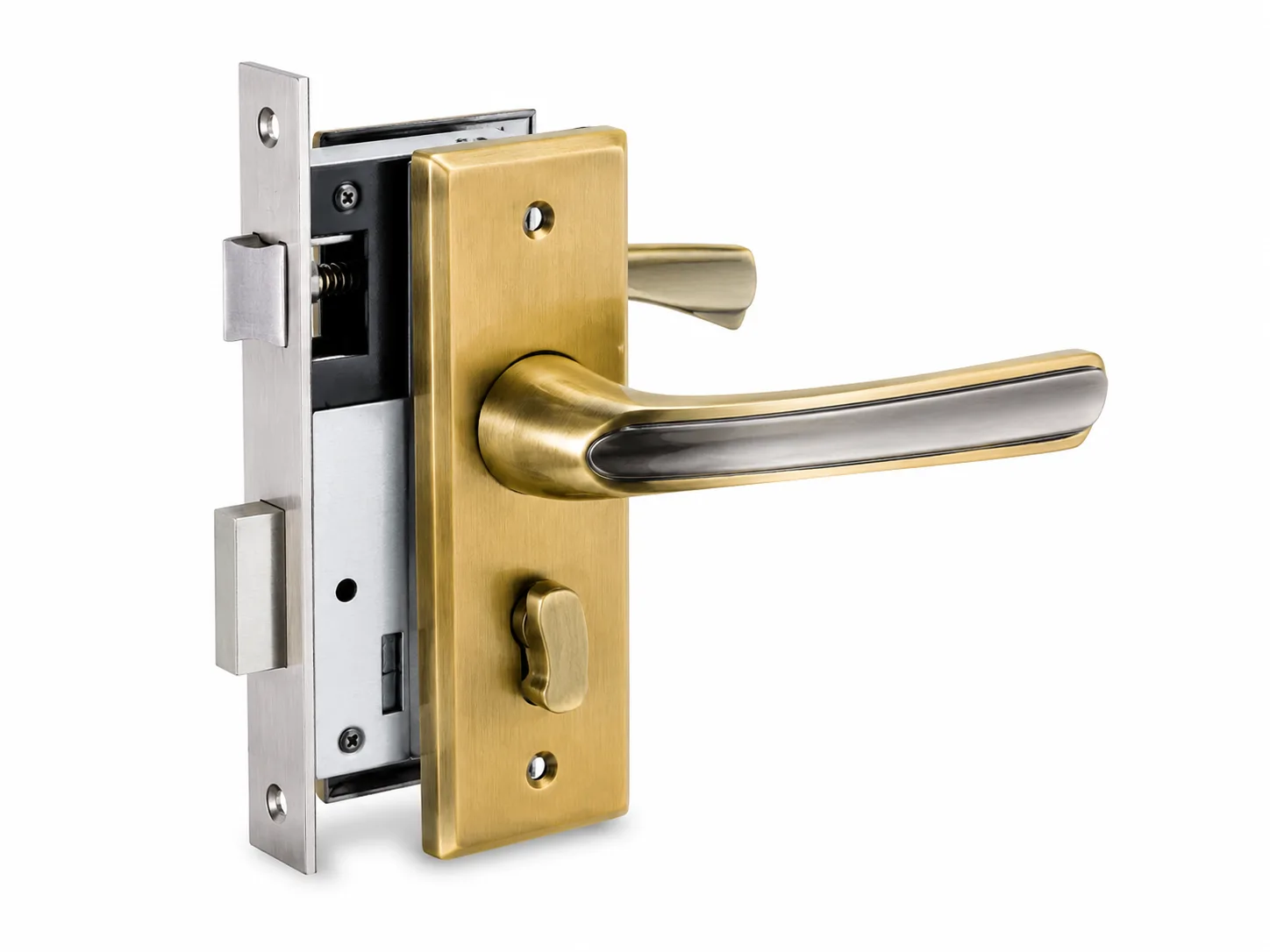 Ask to confirm
Mortise-style door lock set with rectangular backplate and lever handle in a gold and silver-tone finish.
Price on request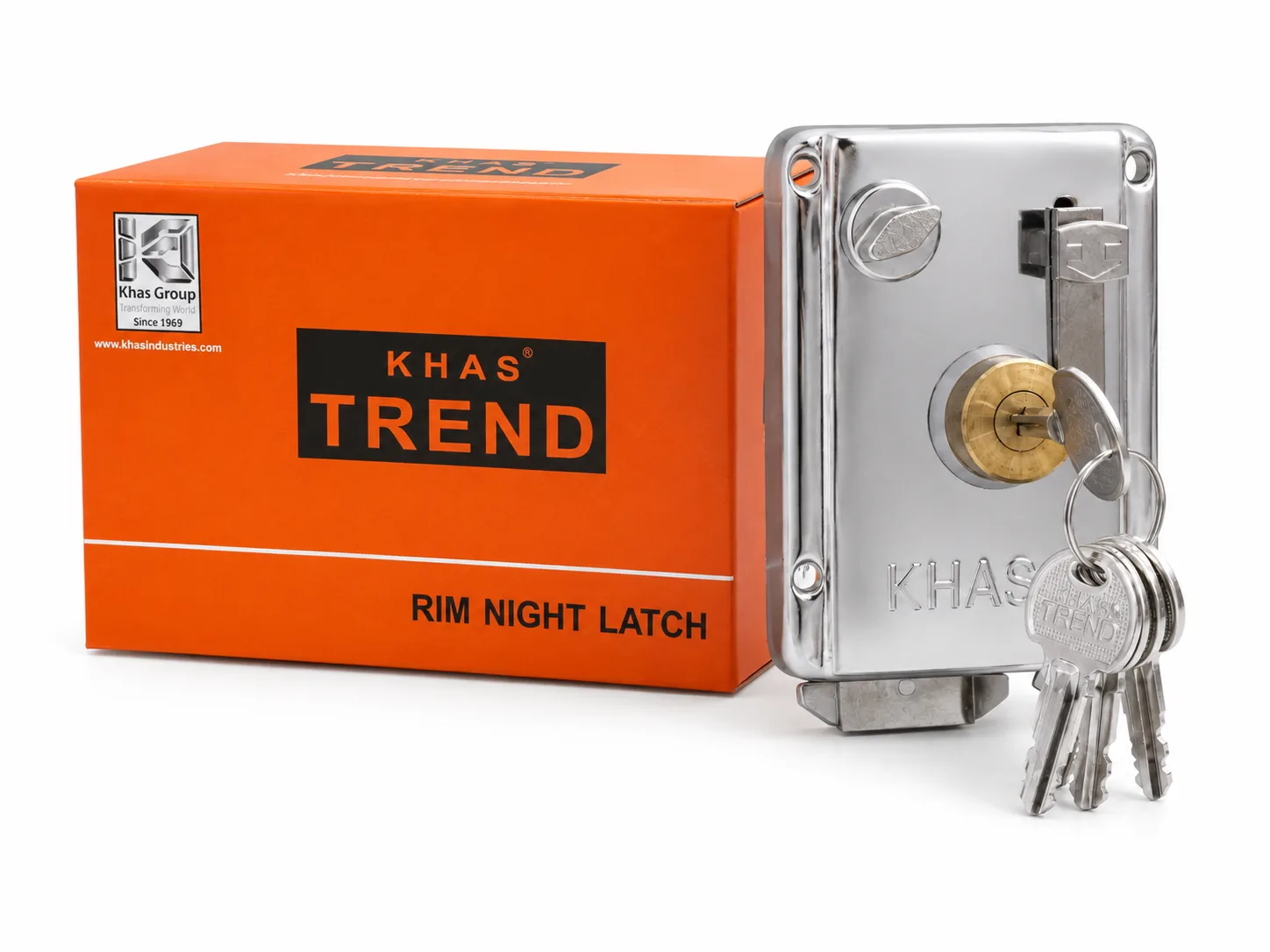 Ask to confirm
KHAS Trend rim night latch door lock supplied with keys.
KHAS Trend
Price on requestNot sure what padlock size you need? Learn how to measure shackle diameter and clearance for gates, shutters, lockers, toolboxes, and storage.
Rim lock or night latch? Compare surface-mounted, multi-bolt and electric door locks, and learn what to measure before buying.
Buying a drawer or cabinet lock? Check cylinder length, panel thickness, key quantity, cam direction, and packing before you confirm the order.
Browse the catalogue or message MJ Trader on WhatsApp to check current prices and availability for supply across Pakistan.Email quotations / RFQsadminmjtrader@gmail.com