 In stock
Locks & Security
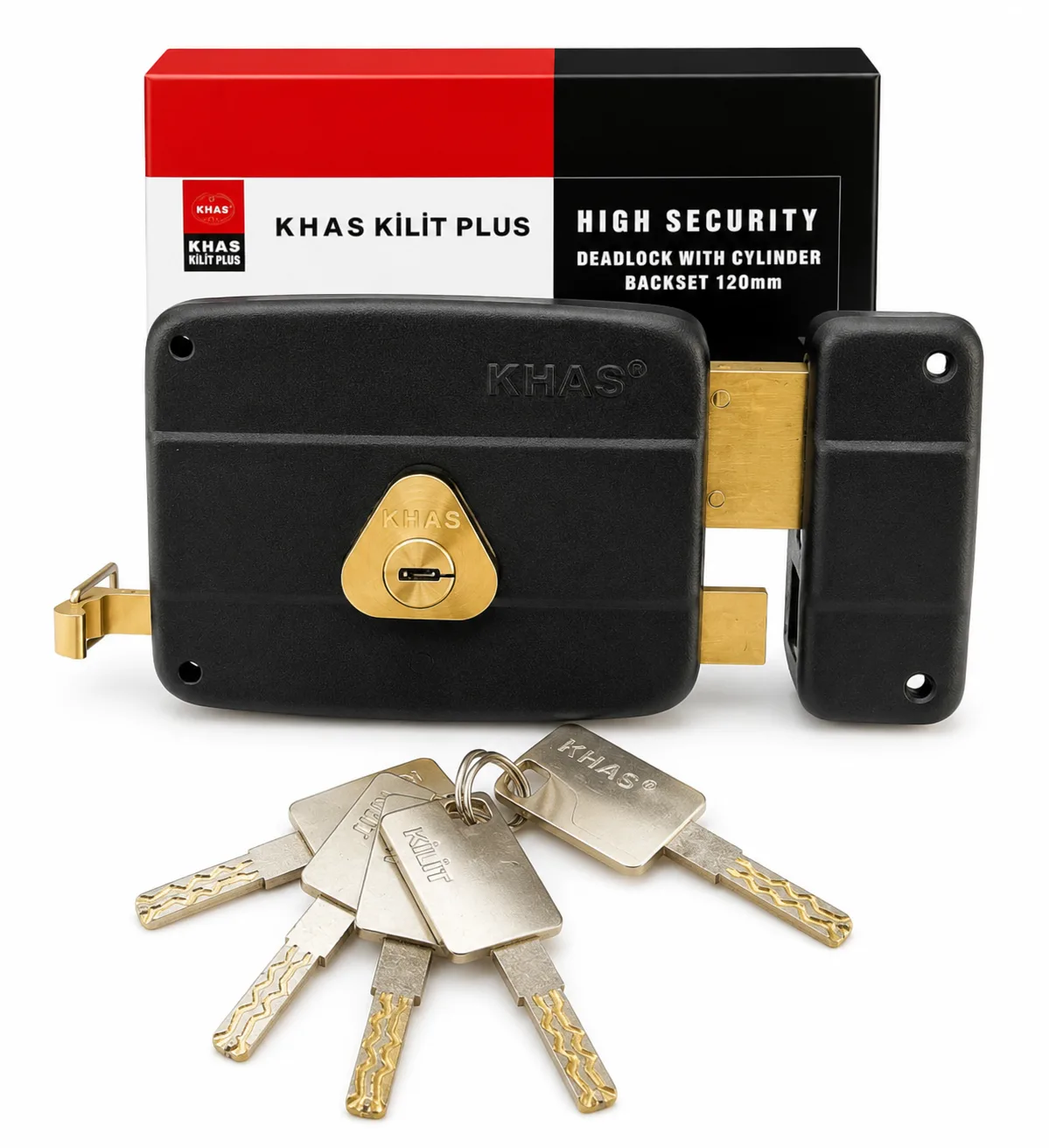
Khas Kilit Plus High Security Rim Night Latch
High-security Khas Kilit Plus rim night latch with cylinder for residential and commercial doors.
Price on requestRim lock or night latch? Compare surface-mounted, multi-bolt and electric door locks, and learn what to measure before buying.
By MJ TraderPublished 4 August 2026Updated 8 August 2026~9 min read
The names on door-lock boxes can be confusing. Rim lock describes how a lock is fitted: its main body sits on the surface of the door instead of inside a deep pocket cut into the door edge. Night latch describes a common rim-mounted lock function, usually designed to latch when the door closes and open from inside using a knob or handle.
That means many night latches are rim locks, but not every rim lock is a night latch. Surface-mounted rim products can also use key-operated deadbolts, multiple locking bolts or an electric release. Product naming is not completely consistent between manufacturers, so the mechanism, dimensions and fitting requirements matter more than the words on the front of the box.
If you are still deciding between a handle lock, mortise lock and rim-mounted lock, start with our broader door lock comparison guide. This guide goes deeper into the rim-mounted options now listed in the MJ Trader catalogue.
In a typical night-latch design, a spring latch engages with the keep or strike on the frame when the door closes. The outside is usually operated by a key through a rim cylinder, while the inside has a knob, lever or other release. Some versions include a snib or deadlocking function, but the exact operation must be checked model by model.
A night latch can be useful when convenient closing and inside operation are priorities. Before buying one, confirm whether it actually locks automatically, whether it can be held open, and whether its inside control suits the way the door is used. Do not assume every product sold as a night latch has the same function.
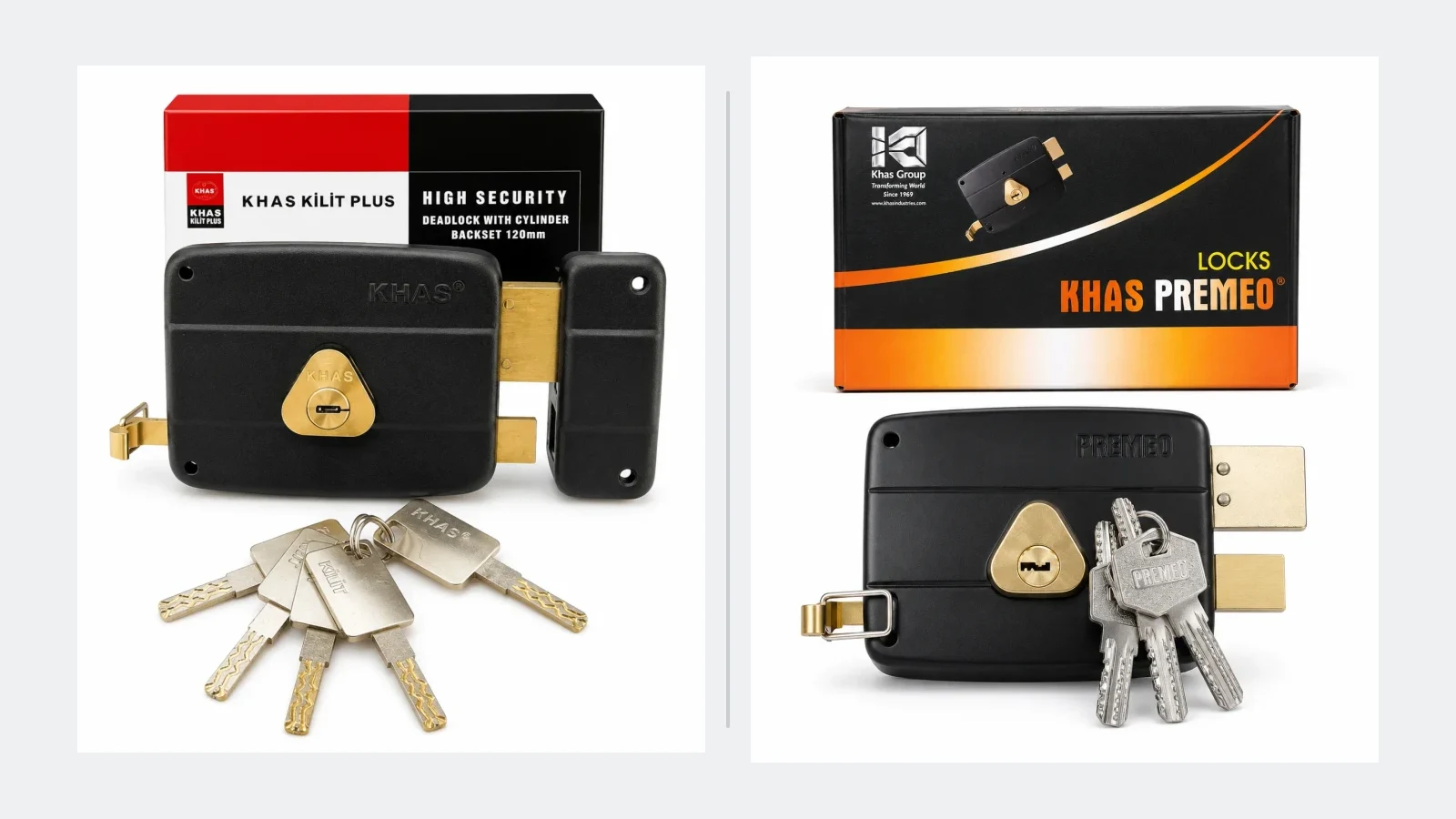
Recent catalogue examples include the Khas Kilit Plus rim night latch, Khas Extreme rim night latch and Khas Smart rim night latch. Their listings confirm surface mounting and supplied lock accessories. Labels such as "High Security" and "Heavy Duty" reflect the product or packaging description; they are not an independent security certification or a direct performance comparison between models.
A multi-bolt rim lock uses several visible locking bolts that move into the matching keep when operated. This is different from relying only on a spring latch. It may suit a buyer who wants deliberate key-operated locking and a surface-mounted lock body, but the number of bolts alone does not prove the strength of the complete installation.
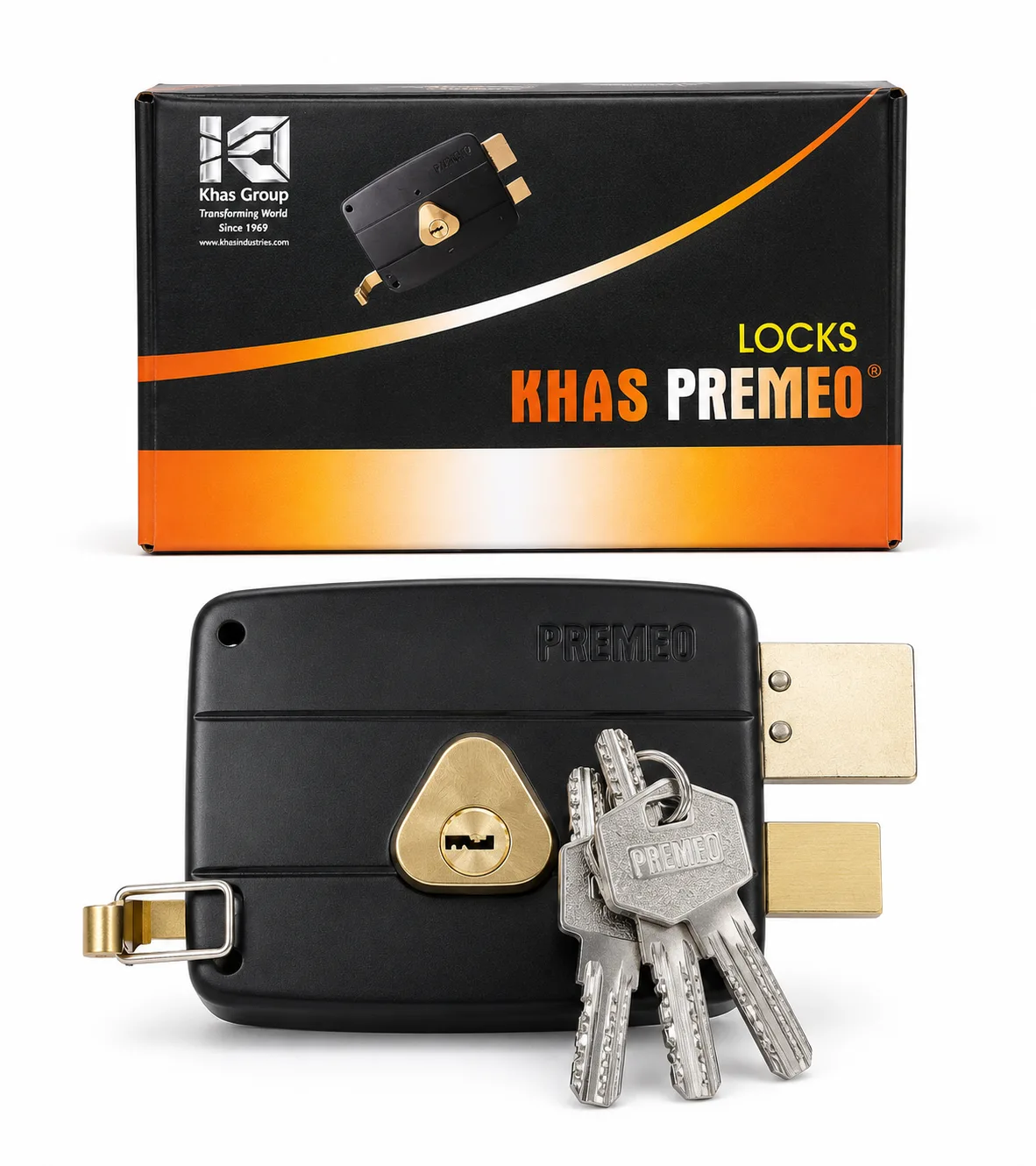
The Khas Premeo rim door lock listing confirms three locking bolts and three supplied keys. The PMHS Focus 883 CP rim door lock also lists three locking bolts, multiple keys, a strike plate, screws and a trim ring. These are useful factual differences to compare, but the door, frame, keep, fixings and fitting quality remain part of the security of the finished assembly.
The PMHS Focus LT 311 CP rim door lock is another surface-mounted option. Its catalogue details identify a brass latch and cylinder, CP finish and supplied fitting accessories. Ask MJ Trader to confirm current stock and compare the physical dimensions before treating any model as a direct replacement.
An electric lock belongs in a separate decision path. It may be used where a door needs controlled release through compatible access-control equipment, but choosing it requires more than matching the lock body to the door.
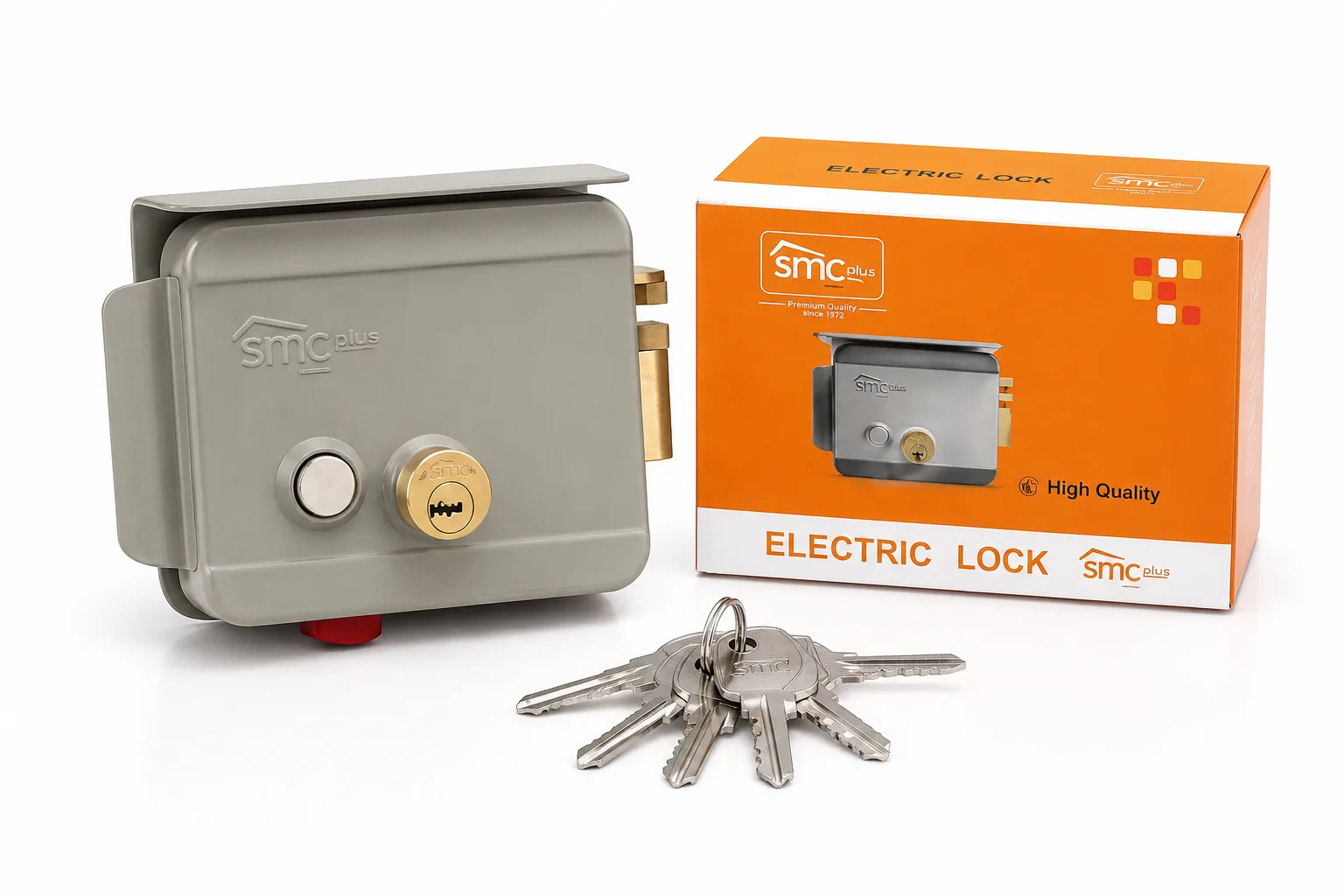
The SMC Plus electric lock listing confirms an electric lock body and key cylinder. It does not currently publish the operating voltage, wiring arrangement, power-loss behaviour or compatible controller. Those points must be confirmed before purchase, and installation should be planned by someone competent to assess both the door hardware and electrical requirements.
Before choosing an electric lock, ask:
A photo is helpful, but measurements prevent the most common replacement problems. Do not drill from a general internet diagram: use the fitting template supplied with the exact lock.
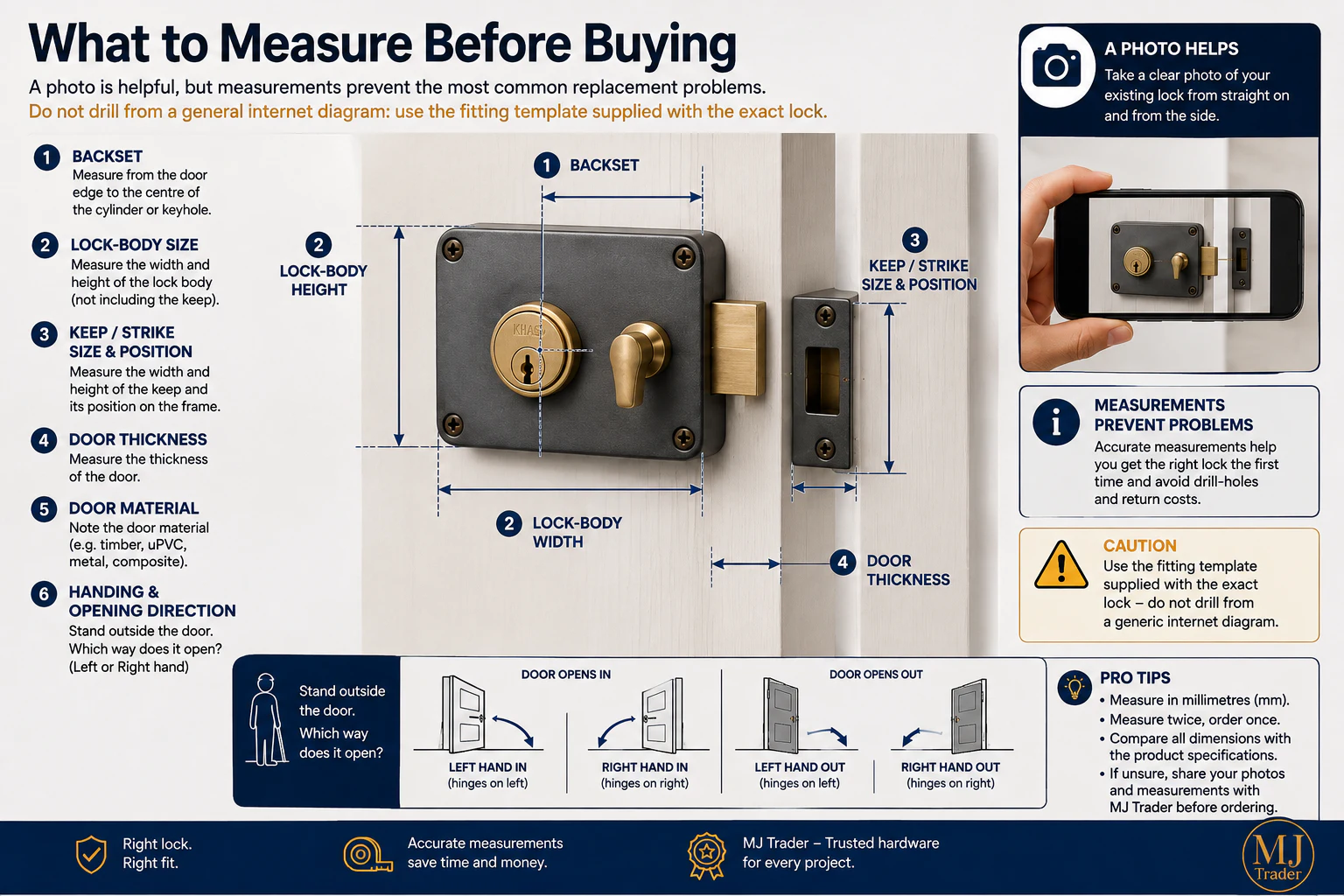
Backset is the distance from the edge of the door to the centre of the outside cylinder or keyhole. It affects where the cylinder passes through the door and where the lock body sits on the inside face. The Khas Kilit Plus listing, for example, records a 120 mm backset, while other rim locks can use different dimensions.
Manufacturers publish different backsets even within one product family. For example, official ASSA ABLOY night-latch specifications list model-level backset and handing details, and ERA fitting instructions use different templates for different backsets. The practical lesson is simple: measure the existing fitting and use the template for the product you actually buy.
Measure the lock case width and height, then measure the keep or strike on the frame. On a replacement job, also note the mounting-hole positions. A new body can cover old holes and still fail to align with the keep, so body size alone is not enough.
Record the door thickness and whether it is timber, metal or another construction. The lock body may be surface-mounted, but the cylinder, spindle and fixings still pass through or attach to the door. Fixings suitable for timber are not automatically suitable for a metal door.
Photograph the door from both sides and show the hinges. State whether the door opens inward or outward and whether the lock sits on the left or right when viewed from inside. Some products are reversible; others need a particular handing or strike arrangement. Confirm rather than assuming.
The keep is where the latch or bolts enter the frame. Check that the frame has enough flat, solid material for secure fixing and that the lock body can align with it when the door is fully closed. A strong lock body cannot compensate for a loose keep, damaged frame or badly aligned door.
Choose by the job the door needs to do, then compare products within that function.
The SAK Exclusive door lock provides another mechanical option with a steel body, brass cylinder and several listed finishes. The SAK Exclusive door knob lock is useful as a contrast: it is a knob lock with a latch mechanism, not simply another name for the surface-mounted rim locks discussed above.
For a faster and more useful reply, send:
Add the relevant products to your quote list and include these details in the message. MJ Trader can then confirm current availability, prices and suitable options without guessing from a product name alone.
The lock terminology and measurement advice were checked against official ASSA ABLOY night-latch specifications and ERA night-latch fitting instructions. Product-specific statements are limited to information in MJ Trader's catalogue records and visible product packaging. Where an important specification is unavailable, such as the SMC Plus electric lock's voltage or power-loss behaviour, this guide tells buyers to confirm it instead of making an assumption.
Not always. Rim lock describes surface mounting. A night latch is a type of rim-mounted lock function, commonly associated with latching when the door closes and inside knob operation. Other rim locks may use a deadbolt, several locking bolts or electrical release.
Three bolts describe the mechanism, not the tested strength of the complete installation. Security also depends on the case, cylinder, keep, screws, door, frame, alignment and fitting. Compare confirmed specifications and any applicable certification rather than bolt count alone.
Some catalogue products are listed for wooden or metal doors, but the correct fixing method and frame arrangement can differ. Share door photos and dimensions and confirm the exact product instructions before drilling.
Only when the important dimensions and hole positions match closely enough. Check the backset, cylinder location, body size, fixing holes and keep position. A similar-looking lock is not necessarily a direct replacement.
There is no responsible answer without knowing the door and required function. Start by deciding between convenient latching, deliberate multi-bolt locking or electric release, then compare models that fit the measured door. Browse the current locks and security catalogue, or send MJ Trader the checklist above for help narrowing the options.
In stockHigh-security Khas Kilit Plus rim night latch with cylinder for residential and commercial doors.
Price on request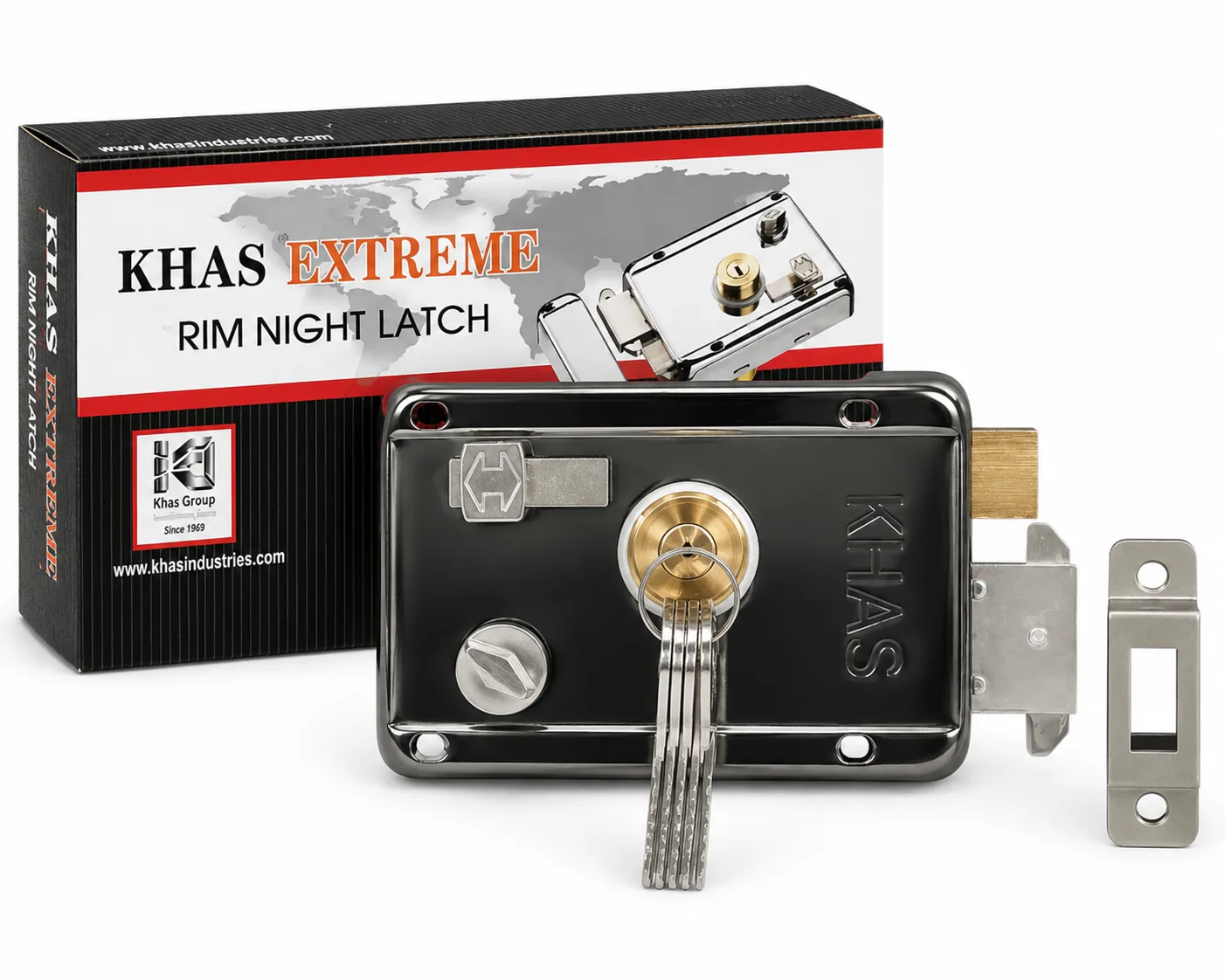 In stock
Heavy-duty Khas Extreme rim night latch for secure residential and commercial door locking.
Price on request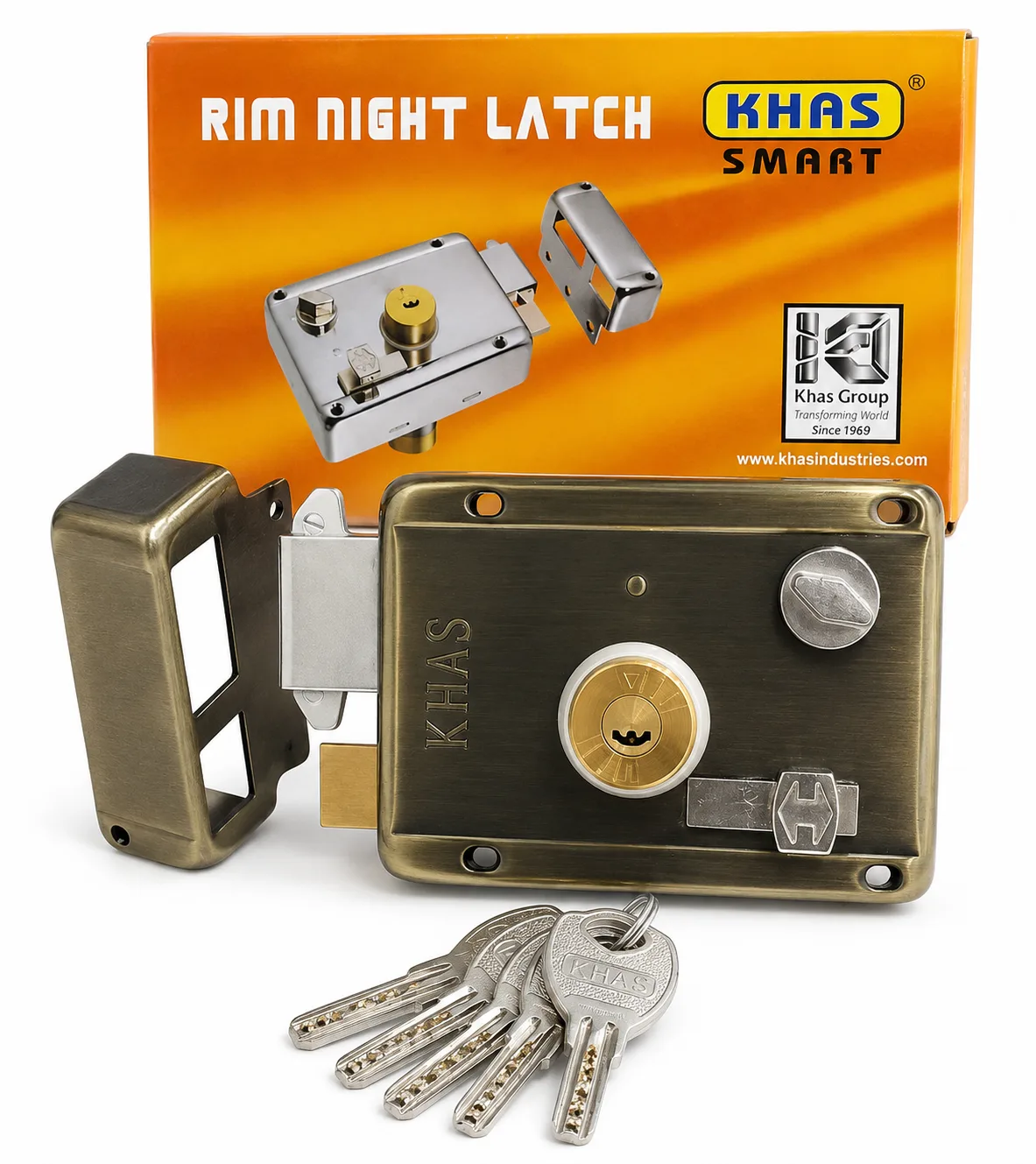 In stock
Heavy-duty Khas Smart rim night latch for secure residential and commercial door locking.
Price on request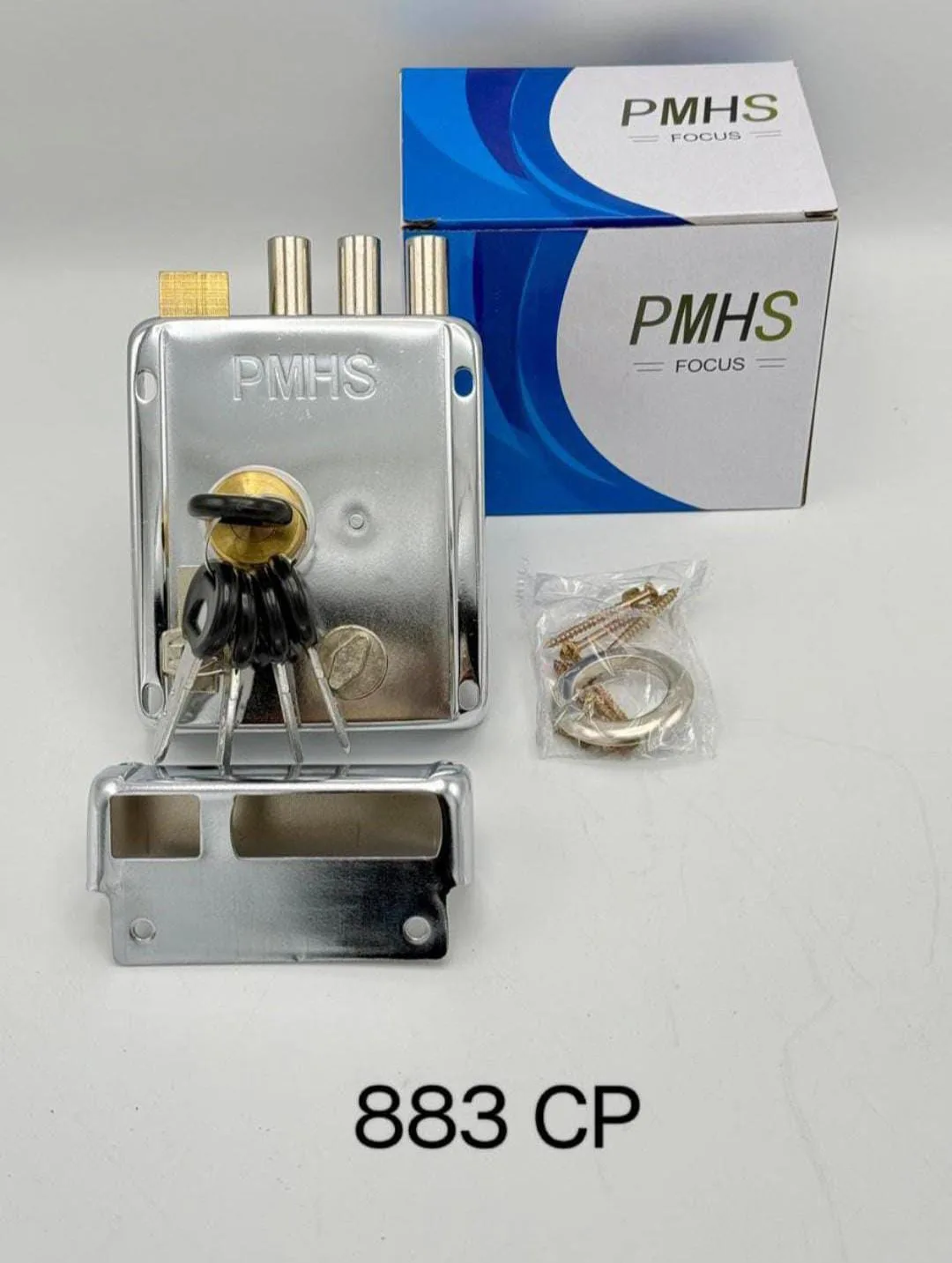 In stock
PMHS Focus rim door lock with three locking bolts, keys and installation accessories.
Price on request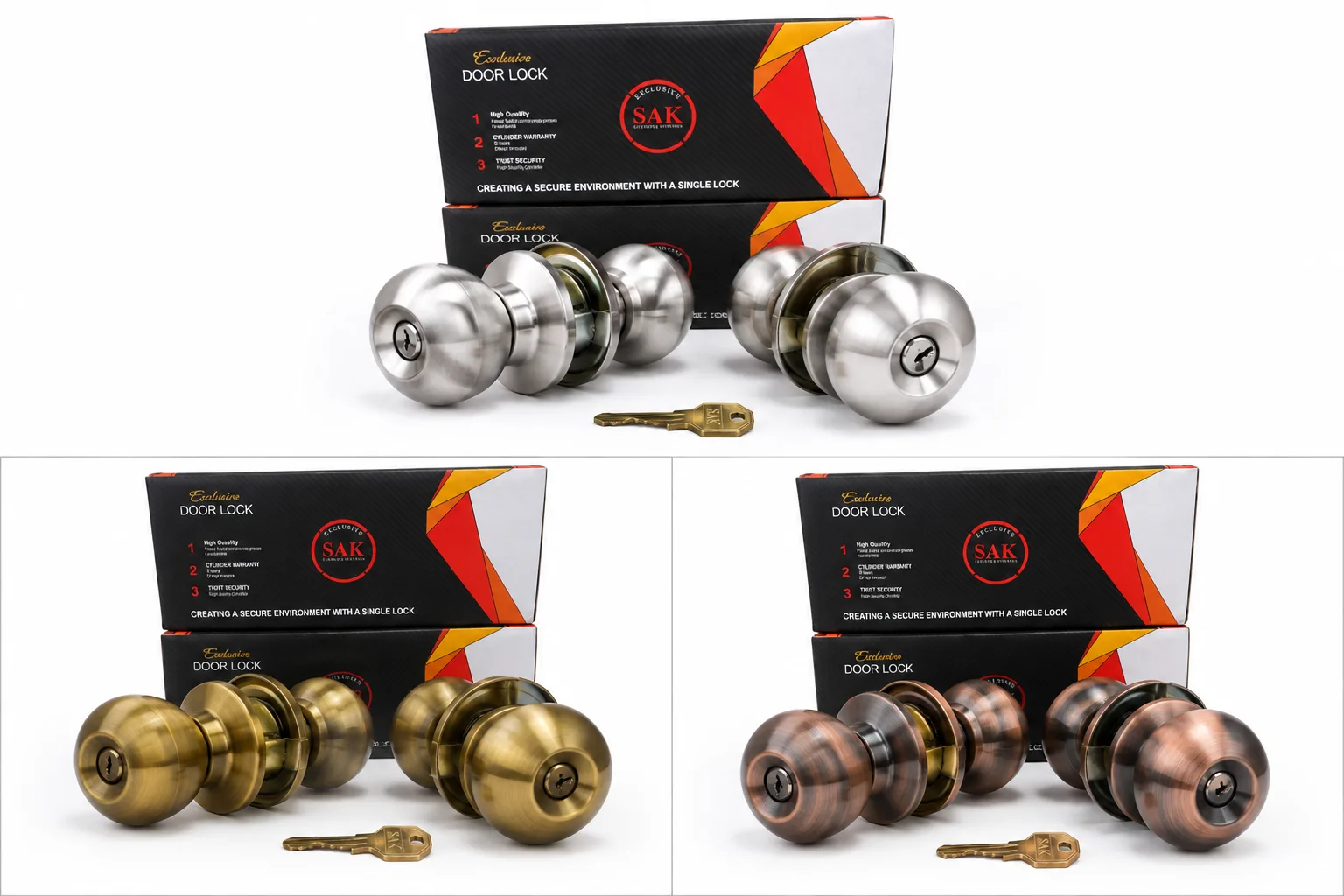 In stock
SAK door lock with a steel body, brass cylinder and brass computer key.
Price on request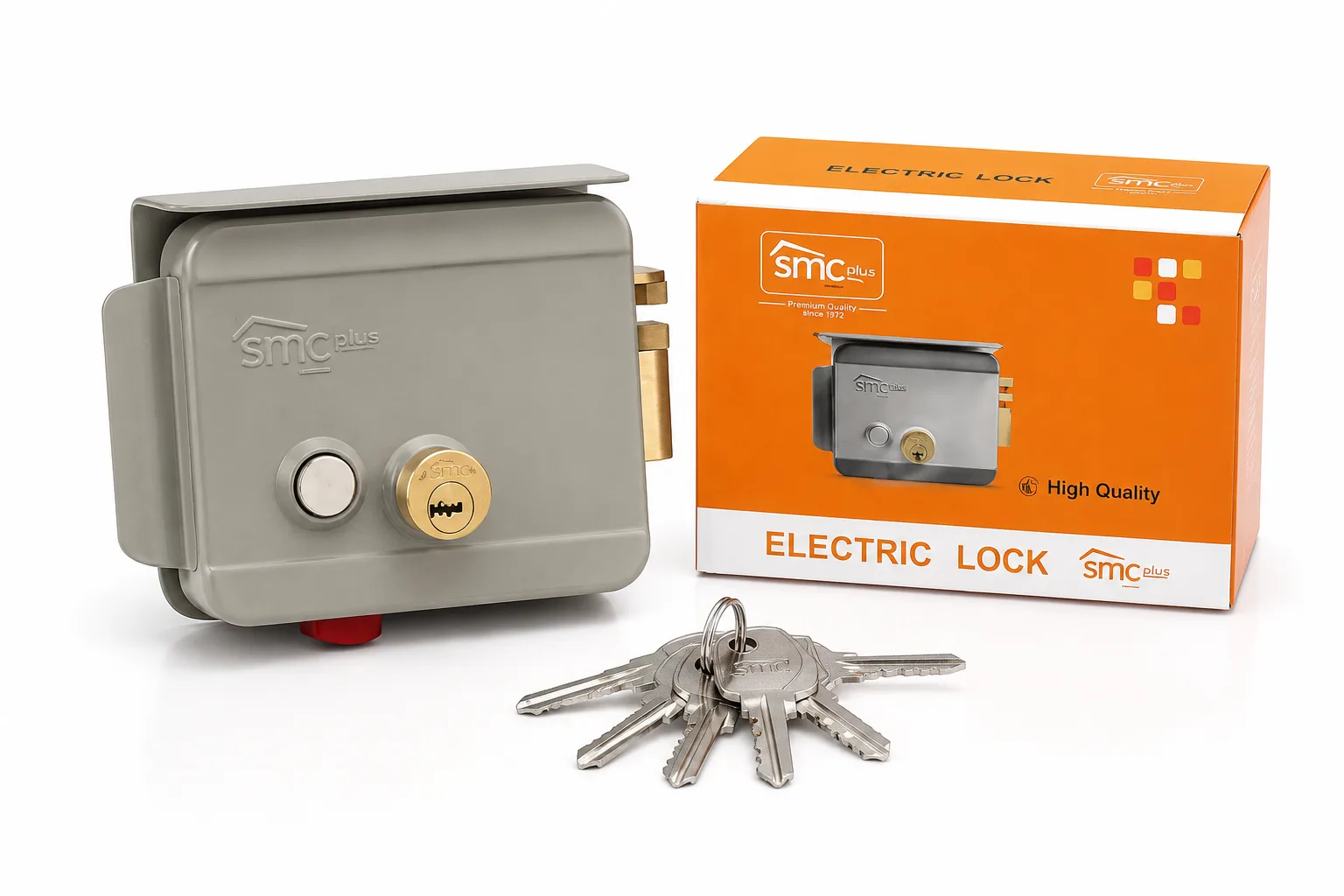 Ask to confirm
SMC Plus electric lock with key cylinder and lock housing for secure door installation.
Price on request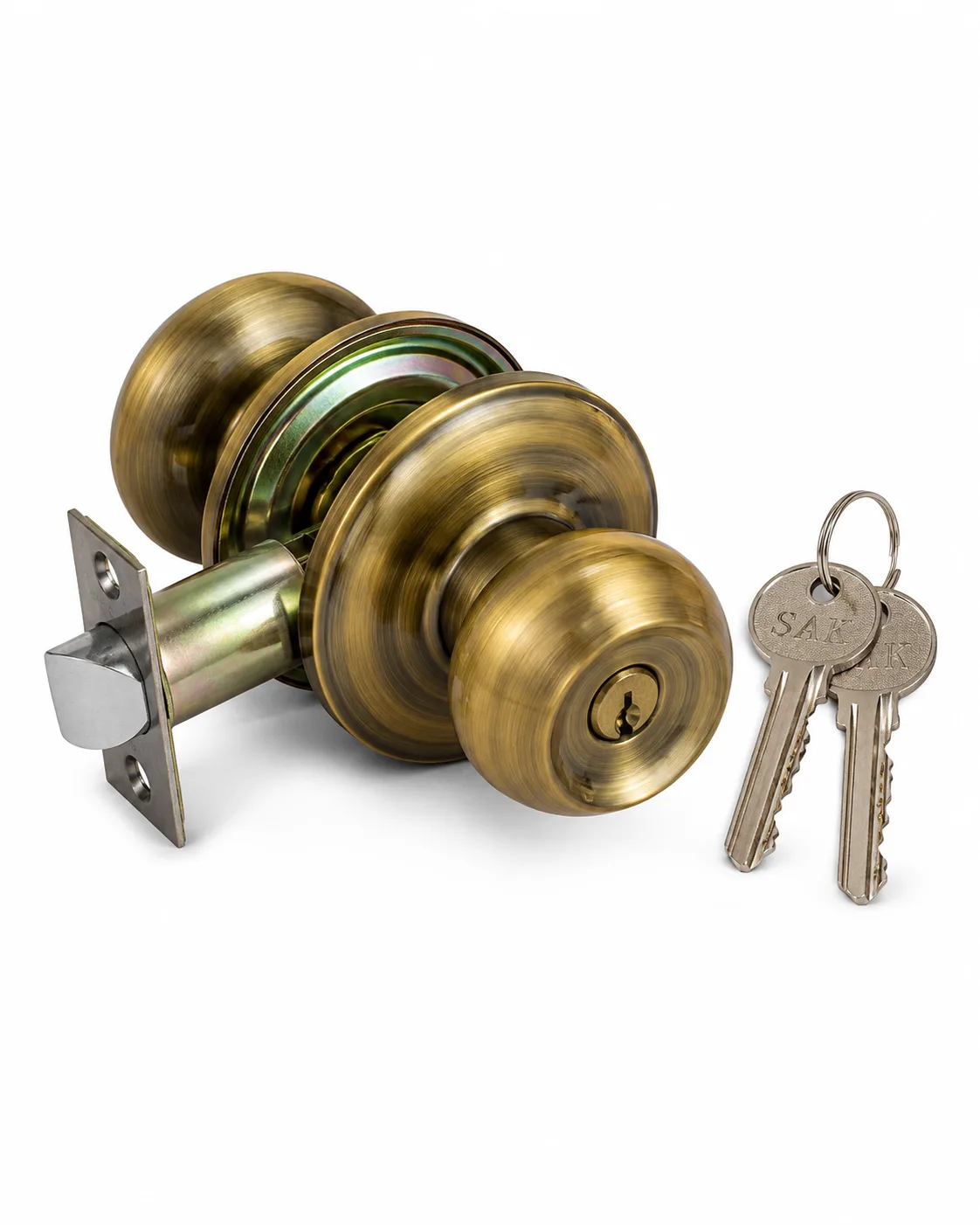 In stock
SAK Exclusive door knob lock with a brass finish, latch mechanism and keys for secure door locking.
Price on requestNot sure what padlock size you need? Learn how to measure shackle diameter and clearance for gates, shutters, lockers, toolboxes, and storage.
Buying a drawer or cabinet lock? Check cylinder length, panel thickness, key quantity, cam direction, and packing before you confirm the order.
Tower bolt, hasp and staple, and padlock - how they work together, which padlock shackle to choose, and weatherproofing tips for gates.
Browse the catalogue or message MJ Trader on WhatsApp to check current prices and availability at the Bohra Pir or Saddar shops.