 Ask to confirm
Locks & Security
Keyed Padlock
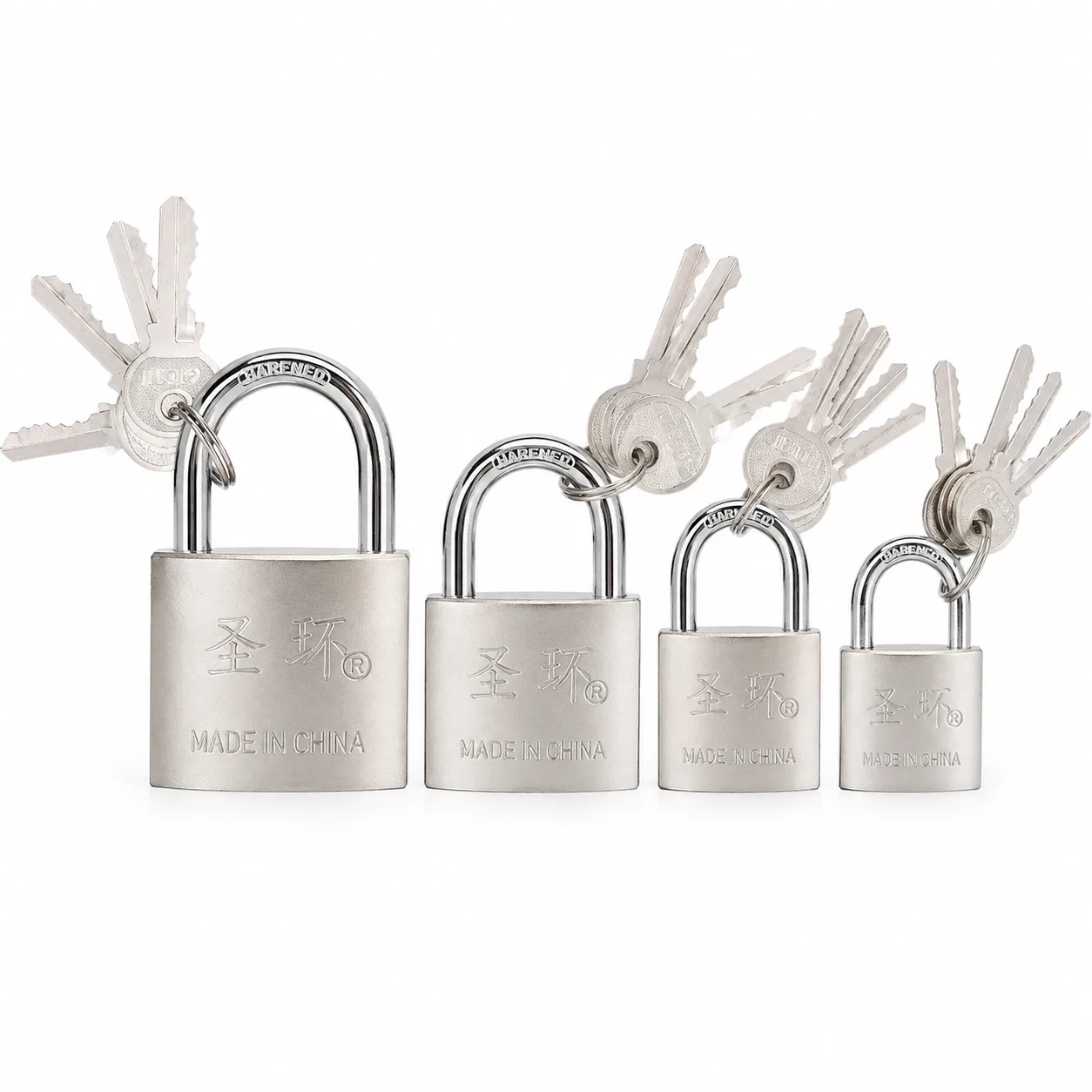
Key-operated padlock supplied with keys and available in multiple sizes.
Price on requestNot sure what padlock size you need? Learn how to measure shackle diameter and clearance for gates, shutters, lockers, toolboxes, and storage.
By MJ TraderPublished 10 August 2026~8 min read
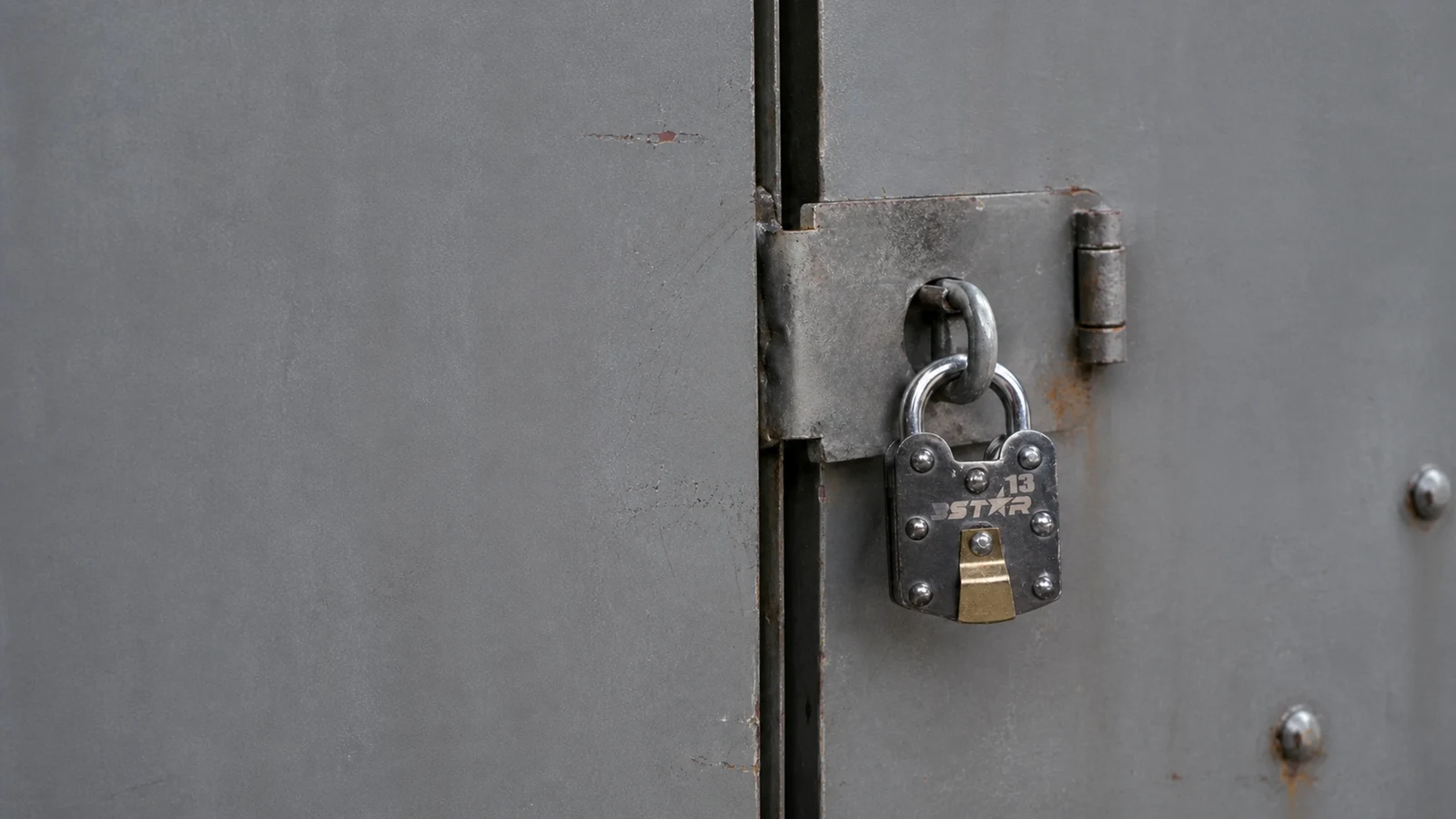
Choose a padlock whose shackle is narrow enough to pass through the locking hole, wide and tall enough to close around the fitting, and no longer than the job requires. Then check that the lock body has room to hang and that its key can be inserted and turned.
A padlock can look substantial and still be the wrong size if its shackle will not pass through the hasp, staple, chain link, or locking loop. Start with the fitting rather than the body size printed on the box.
This guide focuses on the checks you can make before requesting a quote. It does not assign security ratings to products that have not been independently tested or certified.
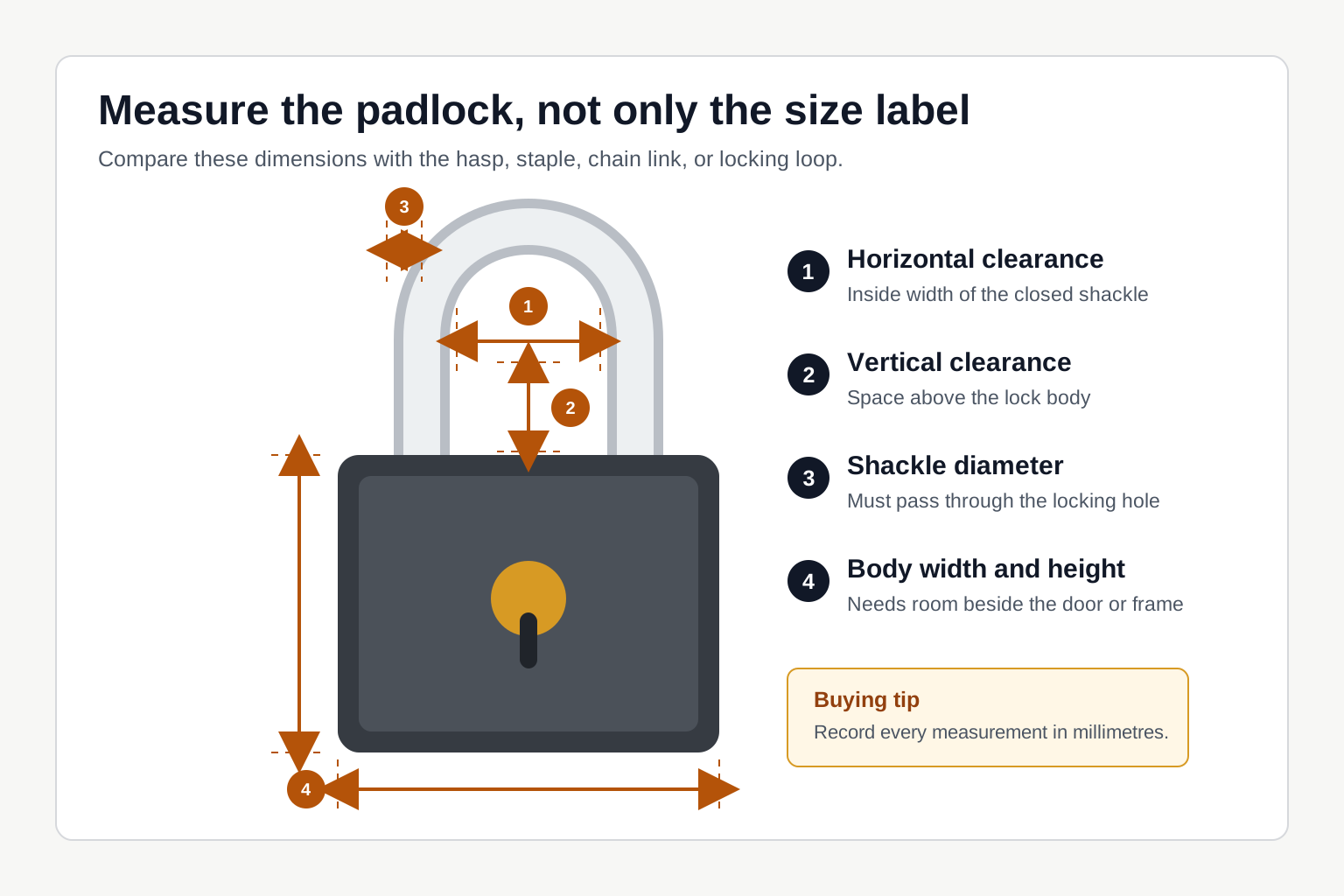
Do not rely only on a label such as 2 inch or 2.5 inch. That label may describe the general product size, but it does not tell you every dimension needed for your fitting. Measure these four points in millimetres where possible:
1. Shackle diameter: the thickness of the curved metal shackle. It must pass through the hole or chain link.
2. Horizontal shackle clearance: the clear space between the two sides of the shackle. It must be wide enough for the fitting.
3. Vertical shackle clearance: the space between the top of the lock body and the inside top of the shackle. This matters when the hasp, staple, or chain is thick.
4. Lock-body width and height: the body needs enough room to hang and turn without hitting the door, frame, shutter, or surrounding hardware.
Official padlock specifications commonly list body width, shackle diameter, horizontal clearance, and vertical clearance separately. That is a useful reminder that one overall size is not enough to confirm fit.
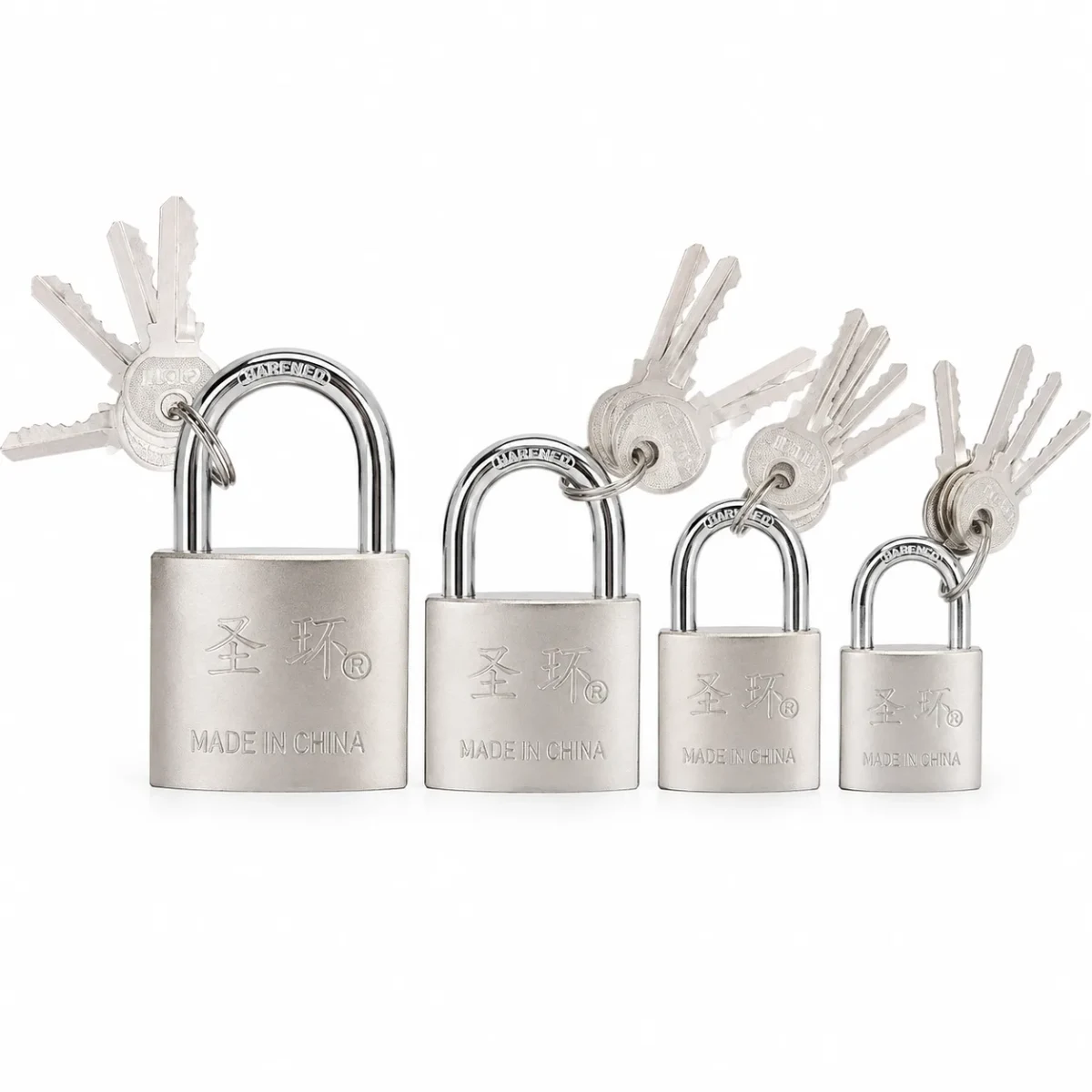
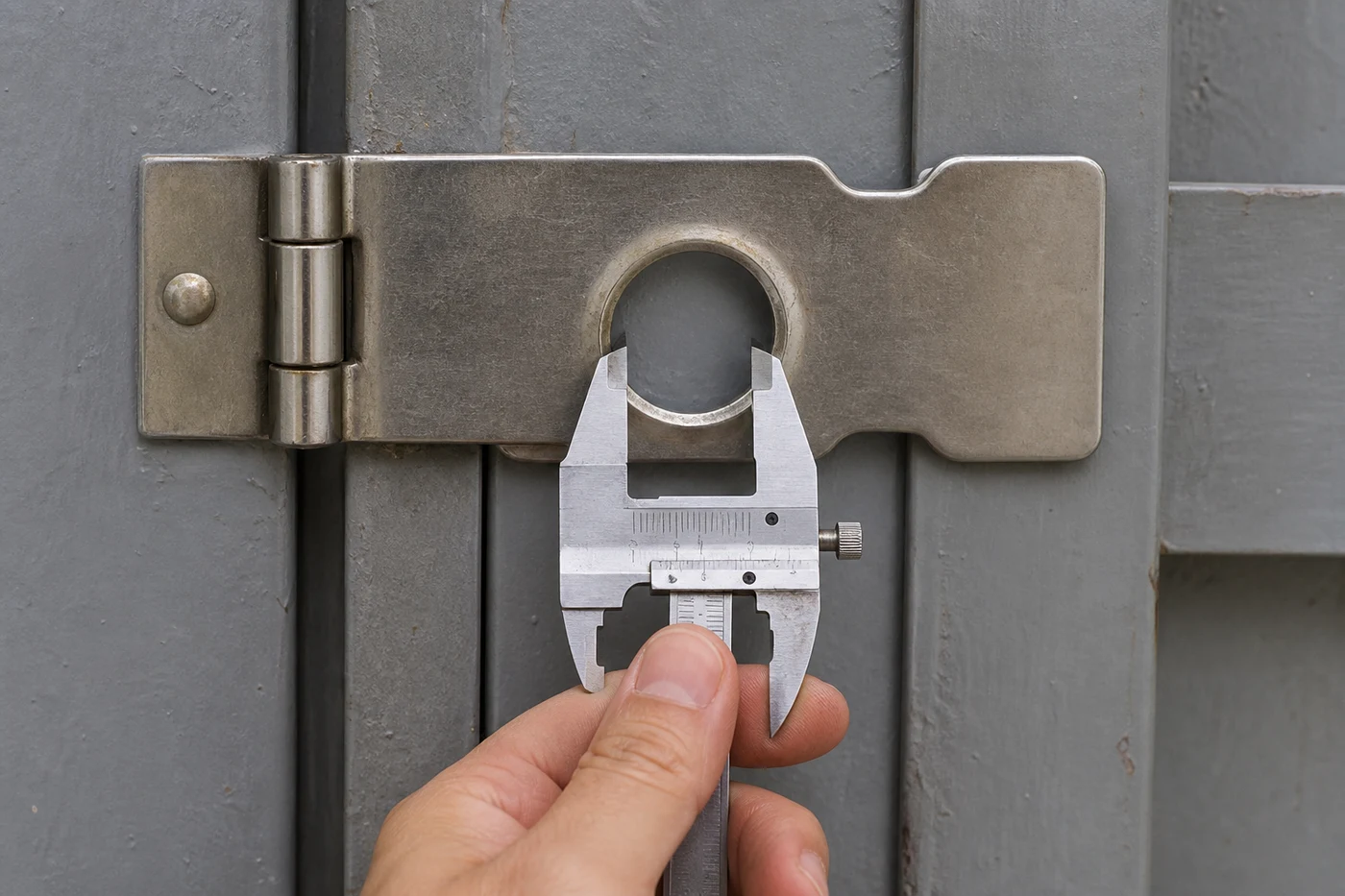
If you are replacing a working padlock, bring the old lock. It provides a more reliable reference than a size name alone.
The shackle must be tall enough to close around the fitting, but extra clearance is not automatically helpful. A loose padlock can swing against the door, make the assembly awkward to use, and leave more of the shackle exposed.
Choose the shortest shackle that closes comfortably without forcing or twisting the hasp. If a standard shackle cannot reach, look for a long-shackle model made for that purpose rather than forcing an undersized lock onto the fitting.
A closed or shrouded-shackle design can reduce the amount of shackle left accessible, but its body shape needs a compatible hasp and enough surrounding space. It is not automatically a direct replacement for a standard open-shackle lock.
The fitting matters just as much as the padlock. A heavy lock attached to a thin, loose, or externally removable hasp does not make the whole assembly equally strong. Check the hasp, staple, chain, screws, and door material together. For more on the complete assembly, read our guide to securing gates and shutters.
For indoor, lower-exposure storage, fit and convenient key access are usually the first checks. Confirm that the lock body will not block a handle or drawer and that the shackle fits the existing loop without excessive movement.
Street-facing gates and shutters need more careful assessment because the lock and fitting are easier to access. Check the strength and condition of the entire closure, not only the apparent size of the padlock. A lock should sit cleanly against a compatible hasp or locking point without forcing the gate out of alignment.
Karachi humidity, rain, dust, and outdoor exposure can affect a lock over time. A shiny or nickel-coloured finish alone does not prove that every internal component is weather resistant. Before buying for outdoor use, ask whether the manufacturer identifies the model for exterior use or states corrosion-resistant materials or testing.
Purpose-built weather-resistant locks commonly identify features such as a covered body or keyway, anti-corrosive internal components, and documented corrosion testing. Look for that evidence on the exact model rather than transferring a claim from another lock with a similar finish.
Keep the keyway and moving parts clean and follow the lock manufacturer's maintenance guidance. Do not make a weatherproof claim based only on appearance.
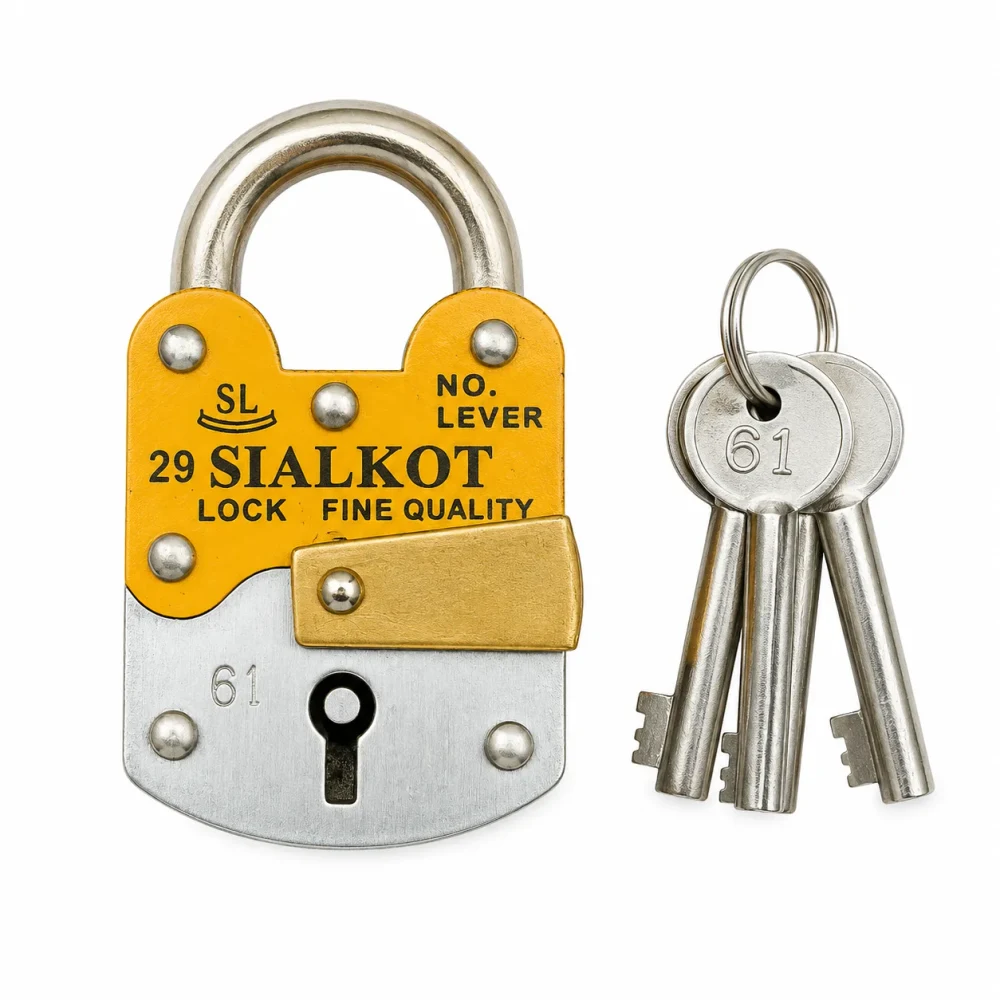
The Sialkot 6 Lever Padlock 2.5 Inch is labelled as a 6-lever model on the product information. In a lever lock, the key operates a set of internal levers so the lock can open.
The lever count describes one part of the mechanism; it is not, by itself, a complete security grade. Body construction, shackle material and diameter, resistance to corrosion, manufacturing quality, key control, and the strength of the fitted hasp all matter too. Unless a product carries a confirmed test standard or certification, compare it by its verified specifications and intended use rather than assuming that one printed number settles the question.
MJ Trader's catalogue currently includes these useful starting points:
These products are listed on an availability-on-request basis. Catalogue photos help identify a style, but they do not replace the fitting measurements.
For one gate, the number of supplied keys may be enough. For a shop, contractor, warehouse, or building project, decide how the keys should work before ordering a batch:
Do not assume that ordinary boxed padlocks are keyed alike. Ask specifically if shared-key operation is required, and test a sample before committing to a large quantity.
These are ordering arrangements, not claims about the padlocks currently listed by MJ Trader. Ask what is available before planning a multi-lock key system.
Send these details with your quote request:
You can browse locks and security products or request a quote with your measurements and photos. For uncertain replacement jobs, bring the existing lock or fitting details to either MJ Trader branch listed on the Contact page.
No. A larger body may suit a larger fitting, but size alone does not confirm shackle material, internal construction, testing, or the strength of the hasp and door. Compare verified specifications and the whole installation.
Measure the shackle diameter the hole can accept, then measure the horizontal and vertical clearance needed around the fitting. Compare all three measurements with the exact model rather than relying only on its inch label.
Only when the fitting needs the extra reach. A standard shackle that closes comfortably usually leaves less unnecessary movement. Never force a short shackle around a thick or misaligned fitting.
Do not assume so from the finish alone. Ask whether the complete model is identified for exterior use or has confirmed corrosion-resistance information.
Send one straight-on image of the closed fitting, one side image showing its thickness, and a close-up with a ruler or measuring tape. Include the old padlock in the photo if you are replacing one.
Check the gate alignment, hasp or staple condition, shackle fit, outdoor exposure, and space around the lock. The padlock and gate hardware should be considered as one assembly; upgrading only the lock does not repair a weak or loose locking point.
This guide uses dimension, keying, and environment guidance from the official Yale padlock buying guide, Yale weatherproof padlock specifications, Master Lock commercial specifications, and official ABUS padlock specifications. Product-specific statements above are limited to information currently shown in MJ Trader's catalogue and product photographs.
Ask to confirmKey-operated padlock supplied with keys and available in multiple sizes.
Price on request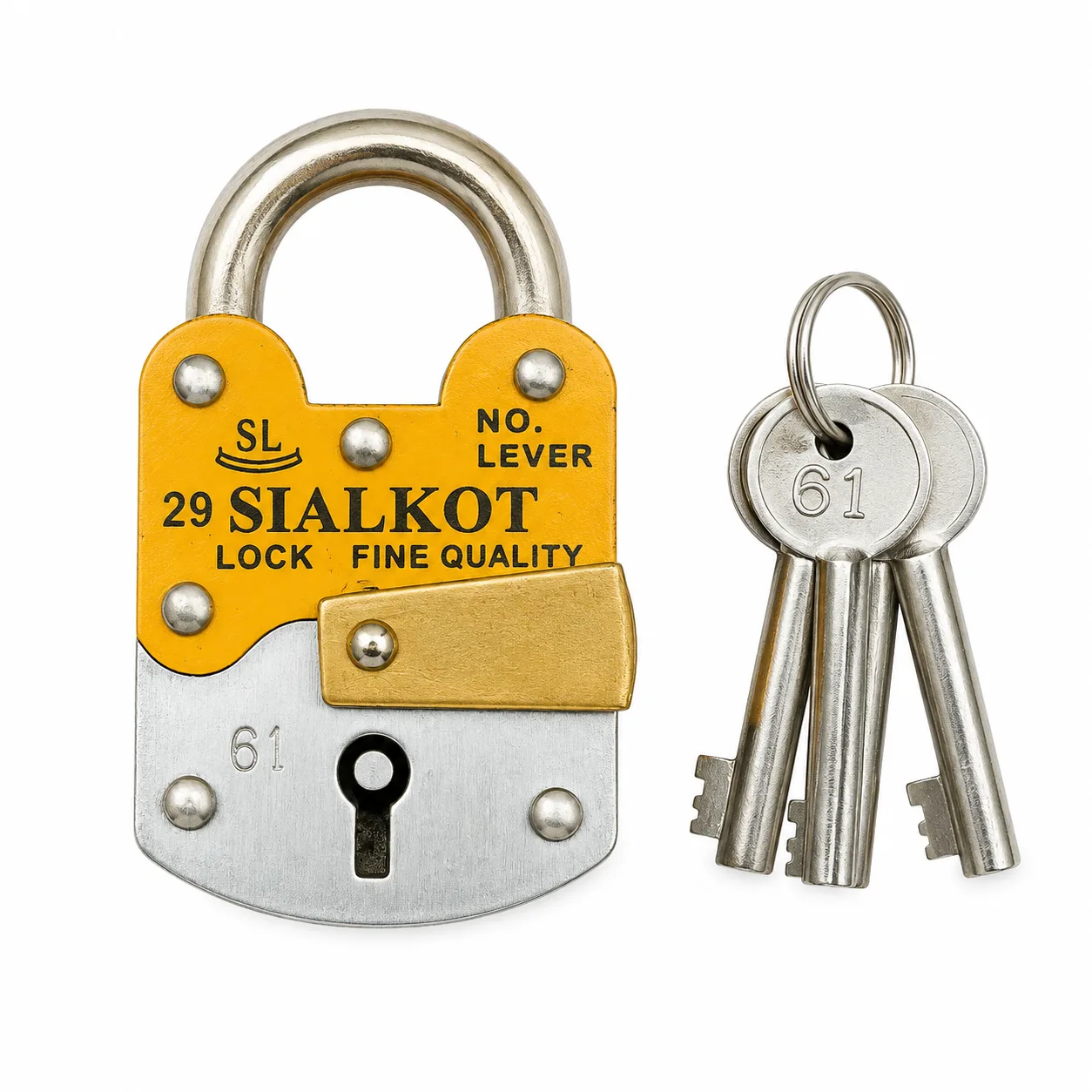 Ask to confirm
2.5 inch Sialkot padlock with 6-lever locking mechanism, nickel-plated finish and keys.
Sialkot
Price on requestRim lock or night latch? Compare surface-mounted, multi-bolt and electric door locks, and learn what to measure before buying.
Buying a drawer or cabinet lock? Check cylinder length, panel thickness, key quantity, cam direction, and packing before you confirm the order.
Tower bolt, hasp and staple, and padlock - how they work together, which padlock shackle to choose, and weatherproofing tips for gates.
Browse the catalogue or message MJ Trader on WhatsApp to check current prices and availability for supply across Pakistan.Email quotations / RFQsadminmjtrader@gmail.com