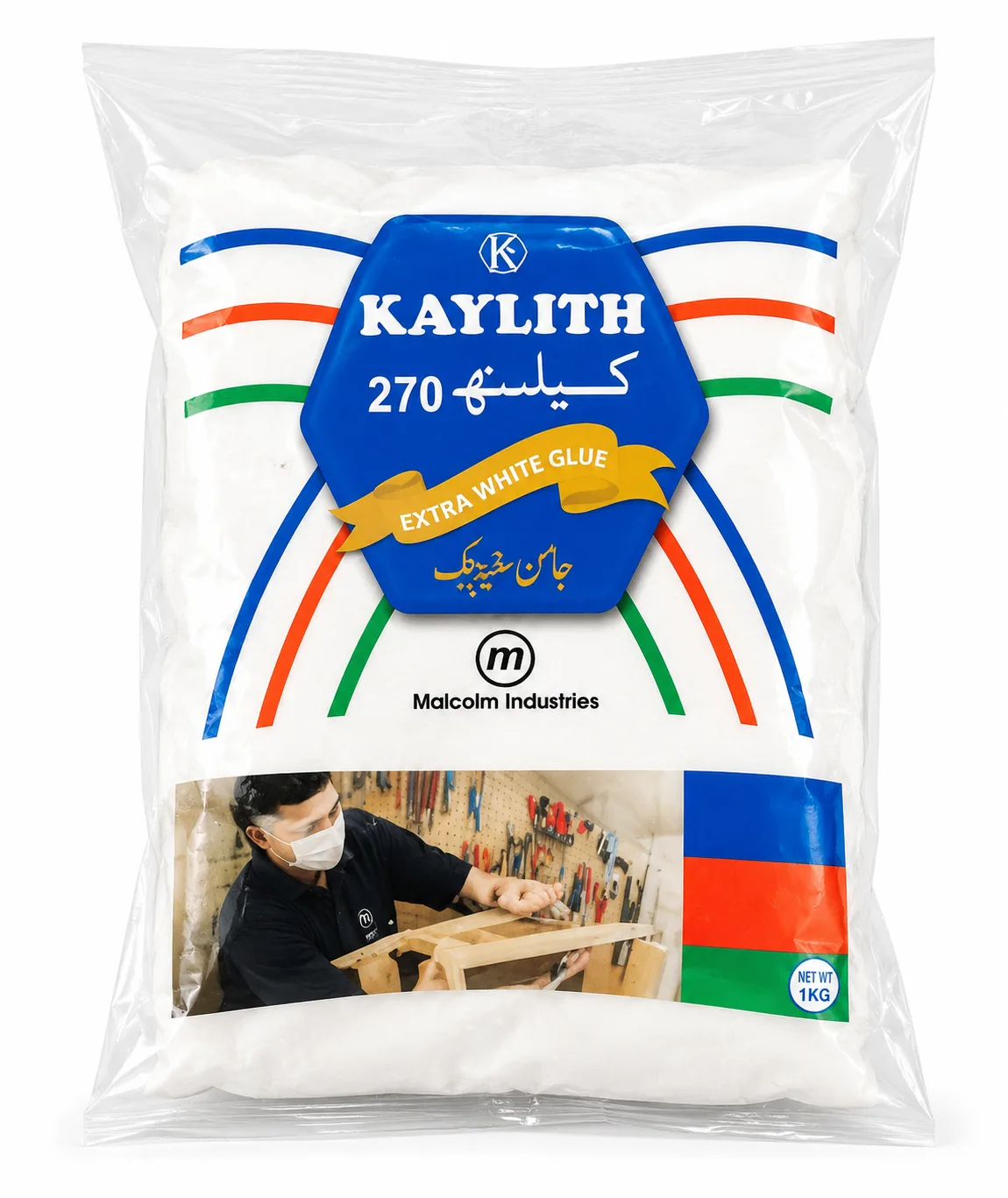
 In stock
Adhesives & Sealants
Kaylith 270 Extra White Glue
Kaylith 270 extra white glue by Malcolm Industries, supplied in a 1 kg pack.
Kaylith · 270
Price on requestWhite glue or contact adhesive? Compare uses for wood, furniture, plywood and laminate, plus application, safety and ordering checks.
By MJ TraderPublished 11 August 2026Updated 3 October 2026~13 min read
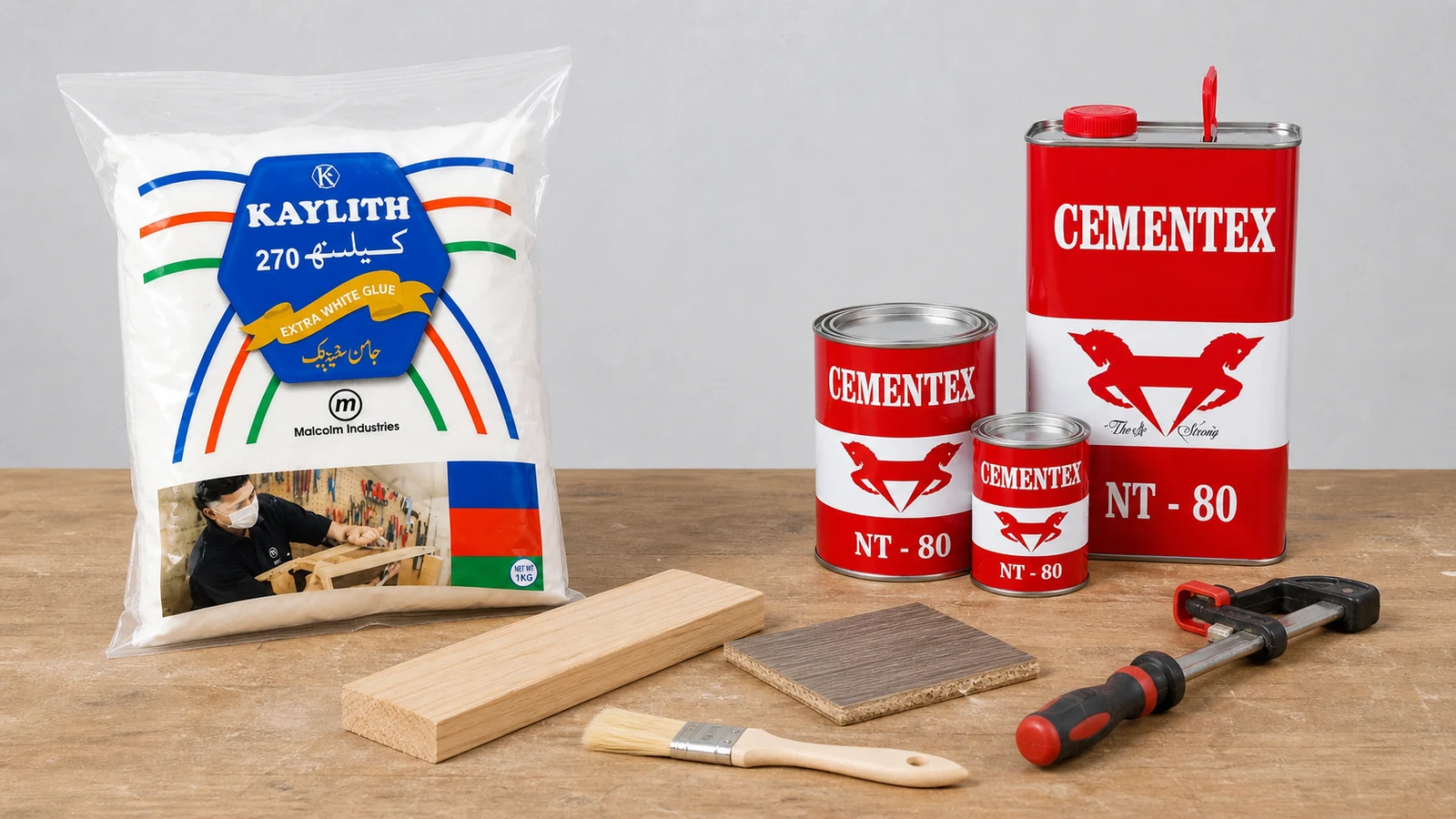
White glue and contact adhesive can both appear in a furniture workshop, but they are not interchangeable. For a close-fitting joint between compatible porous materials, a suitable white glue is normally assembled while wet and held under pressure while it sets. A contact adhesive, also called contact cement in some product ranges, is commonly chosen for approved surface-bonding work: it is applied to both surfaces, allowed to reach the condition stated by the manufacturer, carefully aligned, and pressed together.
The right choice still depends on the exact materials, whether either surface is coated, the size and shape of the joint, moisture and heat exposure, and the instructions for the specific adhesive. Do not choose only by pack size or by the words strong or premium on a label.
For carpenters, furniture makers, installers, and repair customers across Pakistan, the fastest way to choose is to describe the two surfaces and the shape of the joint. This guide compares the product types and explains what to check before requesting a quote. It does not transfer test results, drying times, waterproof ratings, or material compatibility from one brand to another.
This selector narrows the choice; the exact label and technical data still decide whether a product is suitable.
The simplest distinction is how the bond is made.
Clyde Chemicals, the manufacturer behind the Cementex brand, identifies Cementex NT-80 as a contact adhesive. That classification is more useful than guessing from the can or from the word cementing.
Choose a compatible white glue when the job involves a close wood or wood-based joint that can be clamped. Consider an approved contact adhesive when bonding a broad facing material to a substrate and the product instructions name both materials.
Wet-assembled glue usually gives some time to position the parts before clamping. Contact bonding demands more planning: once the prepared surfaces meet, the initial grab can make repositioning difficult. Dry-fit parts, mark reference lines, and plan how the surfaces will meet before opening the container.
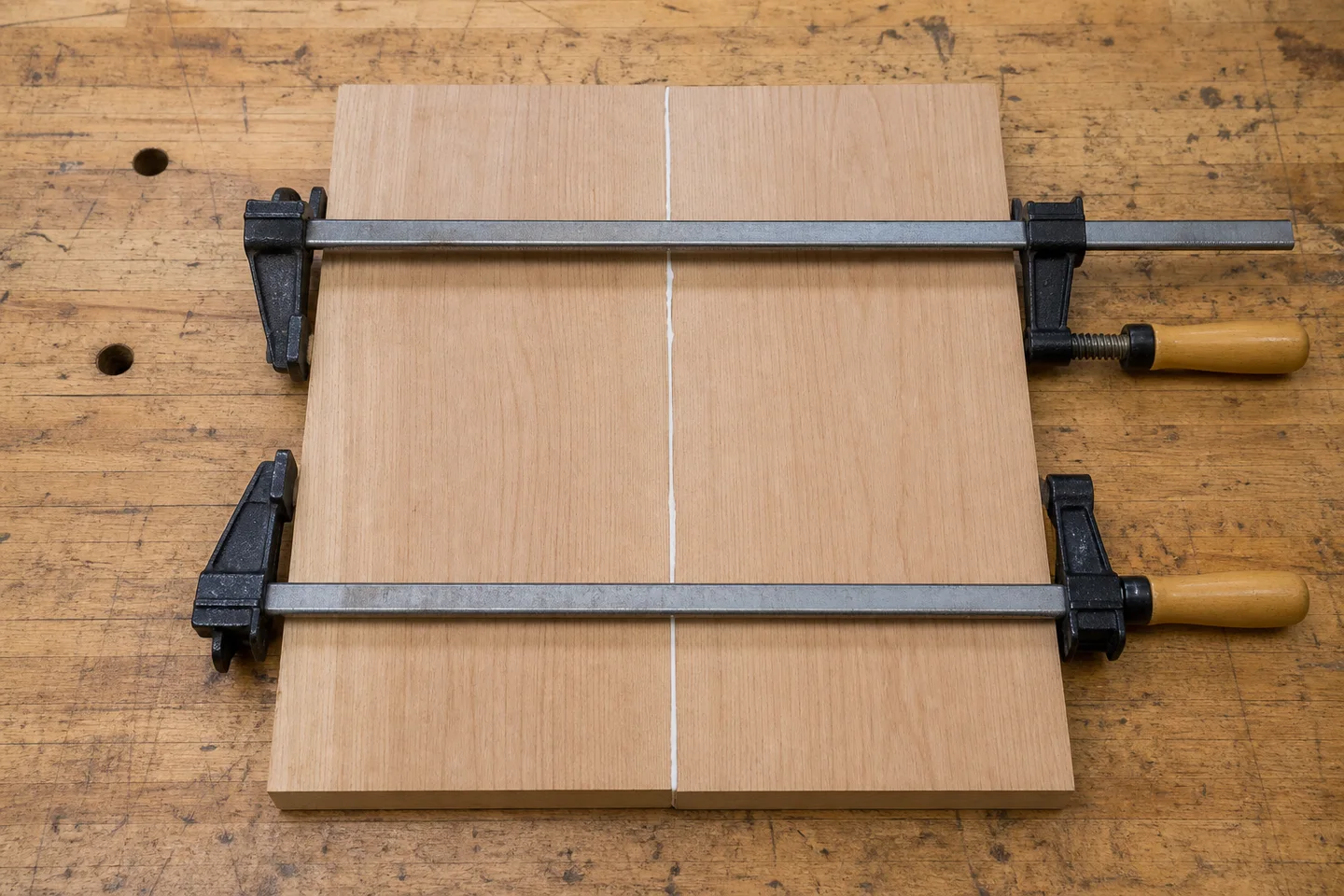
White-glue joints generally need enough clamping pressure to bring the mating faces together without gaps. Contact adhesive normally needs firm, even pressure over the bonded area after alignment. The required tools and pressure depend on the materials and the exact product.
Some water-based white glues can be cleaned with water while wet, but that is not a universal instruction for every white product. Contact adhesives may contain solvents or have different cleanup requirements. Read the container and obtain the Safety Data Sheet before deciding how to apply, clean, store, or dispose of an adhesive.
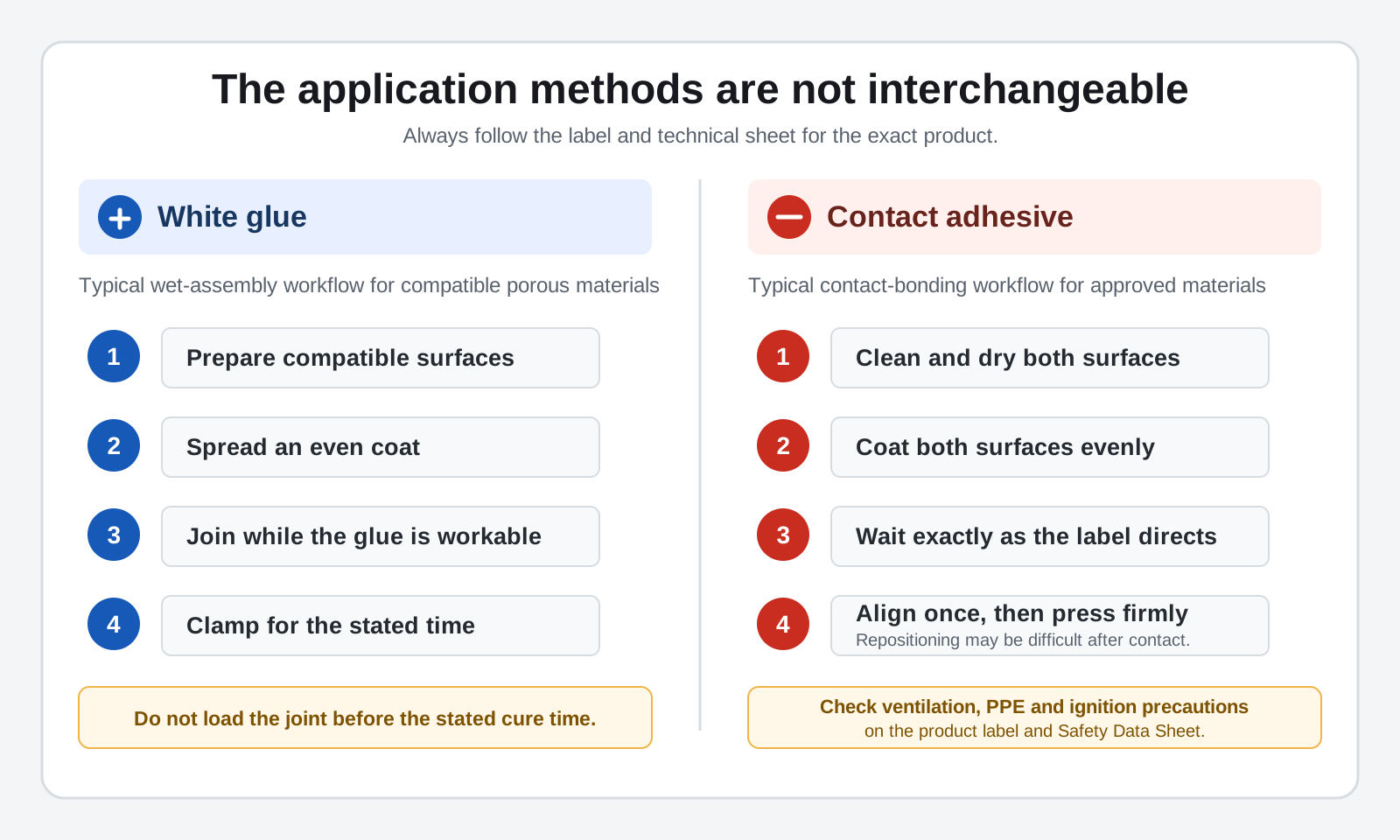
The diagram shows a typical distinction, not the instructions for every brand. Titebond's official guidance for its white glue describes wet application, assembly time, clamping pressure, and wet cleanup. 3M's technical sheet for one of its contact adhesives requires coating both clean, dry surfaces before bonding. Those references help explain the two methods, but the times and conditions in them must not be copied onto Kaylith 270 or Cementex NT-80 without their own documentation.
More glue does not repair a badly fitting joint. Thick pools can prevent the faces from closing properly and create avoidable squeeze-out. The joint design and surface contact still matter.
Contact adhesive is unforgiving of rushed alignment. A large laminate, panel, or flexible sheet should be planned so one edge does not touch early and trap the rest out of position.
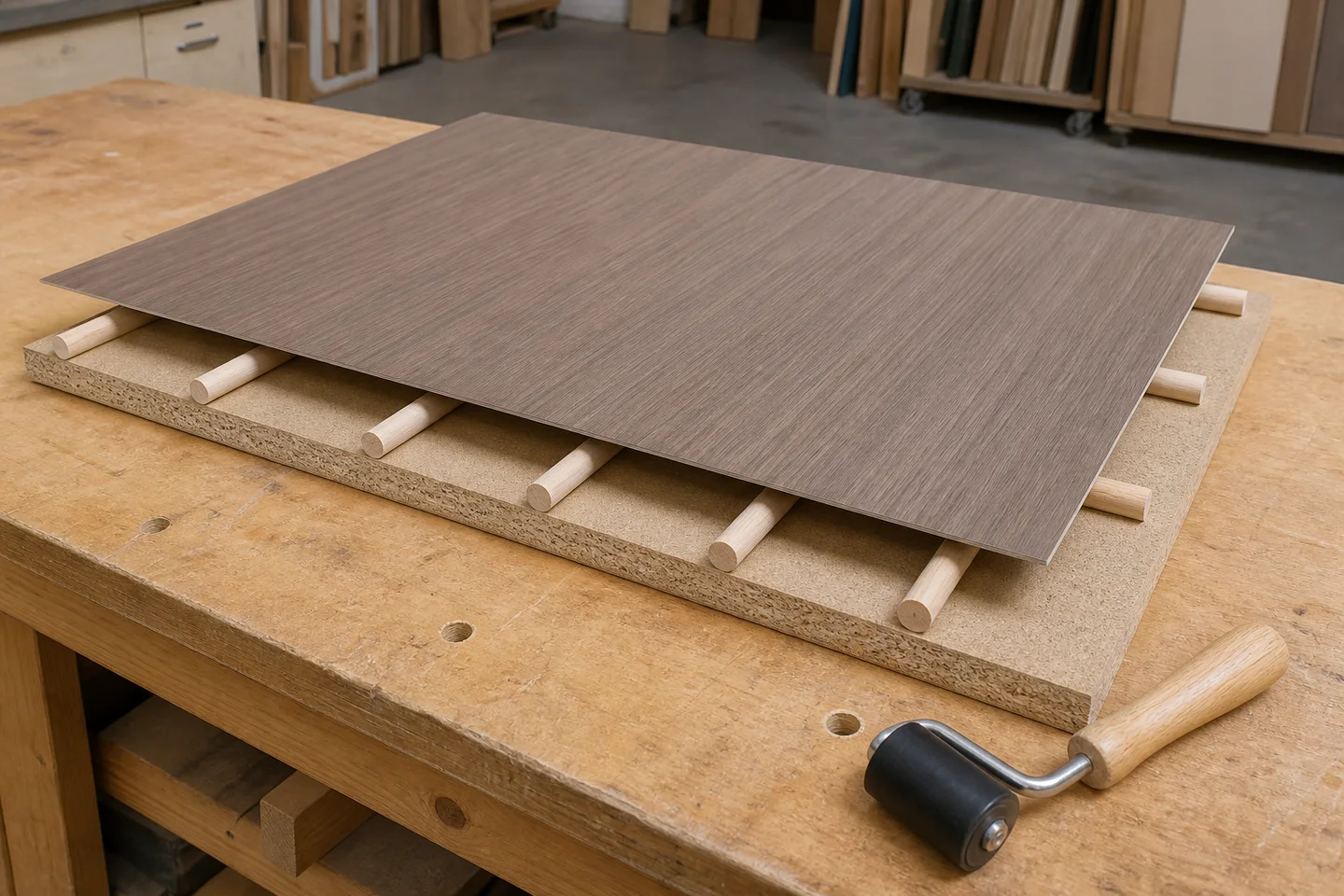
The spacer method shown above is documented in 3M's guidance for large pieces: temporary dowels or laminate strips can prevent premature contact while the sheet is aligned. Remove spacers progressively and apply the pressure method specified for the adhesive. Do not treat the photograph as a Cementex NT-80 instruction unless its current label confirms the same process.
For a clean, close-fitting joint between compatible bare wood surfaces, a suitable woodworking white glue is often the more manageable starting point because the parts can be positioned and clamped. Painted, polished, laminated, oily, dusty, or damaged surfaces may prevent the same adhesive from working as intended.
Do not rely on adhesive alone to redesign a failed load-bearing joint. Loose tenons, broken board, missing fasteners, movement, or poor alignment may need proper repair before rebonding. Ask a carpenter or the adhesive manufacturer when structural performance matters.
These names describe families of board, not one universal bonding surface. A raw porous edge behaves differently from a factory-coated face. Check whether you are joining an edge, a bare face, a laminate surface, or a finished panel, and tell the supplier exactly which faces will be bonded.
Porous edges can absorb adhesive differently from smooth faces. Follow any priming, second-coat, spread, or pressure instructions given for the selected product rather than adding an improvised coat.
Contact adhesives are commonly used for decorative laminate work when the adhesive manufacturer approves the laminate and substrate. Formica's own project guidance, for example, tells users to apply contact cement or laminate adhesive to both the laminate back and tabletop while following the adhesive instructions. Large areas require even coverage, careful open time, accurate alignment, and pressure over the full surface. A missed patch or trapped contamination can leave a weak area or visible defect.
Do not assume that every contact adhesive suits every laminate, plastic, metal, or coated board. Heat, moisture, curved surfaces, edge details, and the substrate can change the requirement. Confirm the intended application with the manufacturer for costly panels or production work.
A small white-glue pack may be convenient for compatible porous craft materials, but check drying appearance, flexibility, and moisture exposure if the result will be visible or handled regularly. Keep product guidance separate: a glue sold for school and office work should not automatically be described as a furniture adhesive.
Material names alone are not enough. Different plastics, rubbers, coatings, and metals can need different surface preparation and adhesive chemistry. Use only a product that identifies the actual substrate combination, and test an offcut when appearance or replacement cost matters.
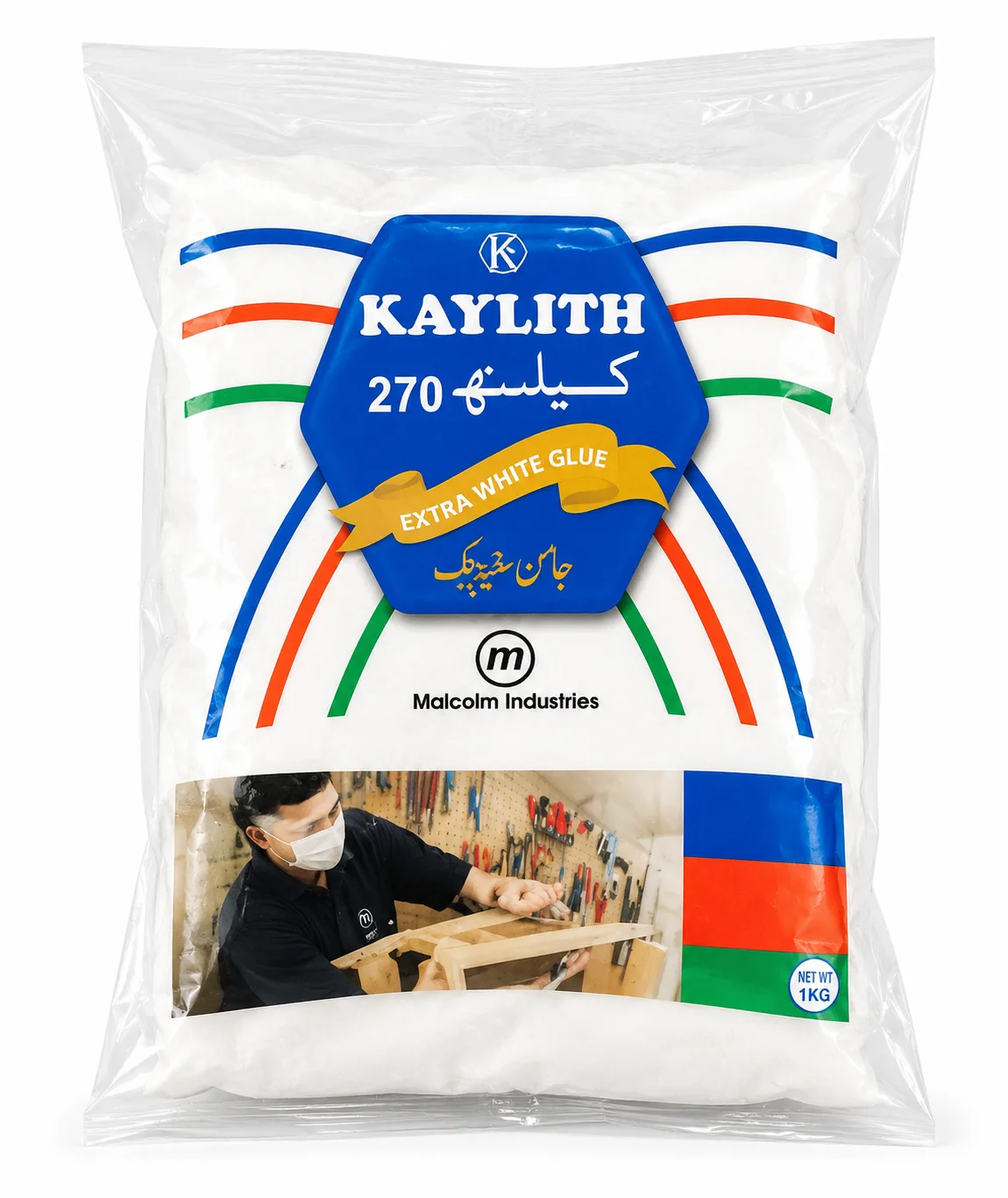
The Kaylith 270 Extra White Glue listing identifies Malcolm Industries as the manufacturer and currently lists 175 g, 500 g, and 1 kg pack options. The product photograph shown here is the 1 kg pack and presents it as extra white glue for workshop use.
Before ordering, state the materials, joint type, quantity, and whether the work will face moisture, heat, or outdoor exposure. The current catalogue does not publish a verified technical sheet with clamp time, cure time, water-resistance class, or structural rating, so those details should be confirmed for the exact pack rather than assumed.
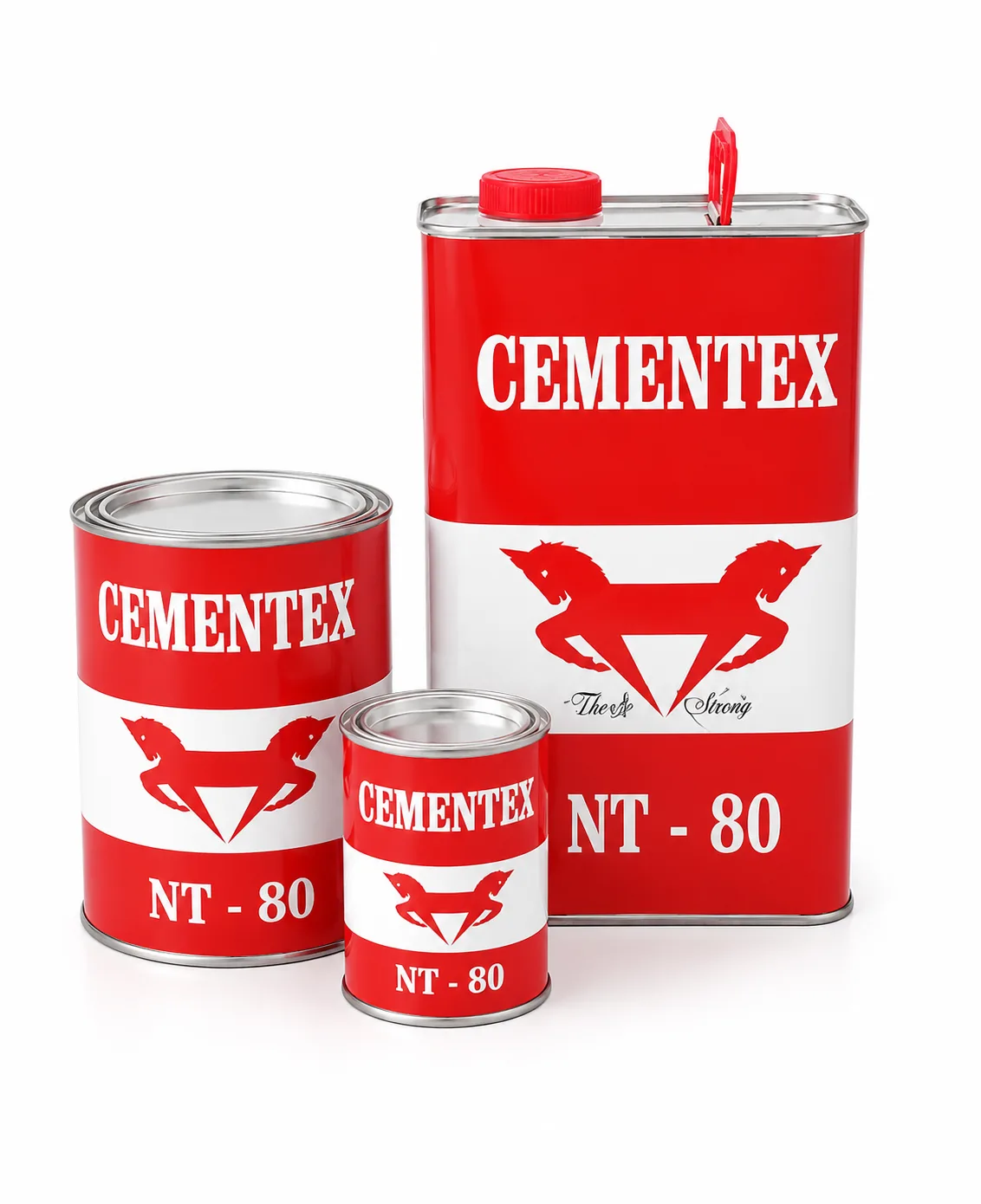
The Cementex NT-80 Adhesive listing currently shows 125 g, 300 g, 600 g, 1 kg, and 3 kg container options. Clyde Chemicals identifies NT-80 as part of its contact-adhesive range.
Ask for the current label instructions and Safety Data Sheet for your required size. Confirm the two materials being bonded, application method, ventilation, open time, pressure, cleanup, and storage before use. A general contact-adhesive guide cannot replace the instructions for NT-80.
Read the label and Safety Data Sheet before use. Identify whether the adhesive is water-based or solvent-based, what ventilation is required, what personal protective equipment is specified, and whether vapours can ignite.
Official workplace guidance warns that solvent vapours can build up in enclosed areas and that some adhesive and solvent products can create inhalation, skin, fire, or explosion hazards. The HSE's guidance for small-scale solvent-based adhesive work calls for effective controls and specifically discusses local exhaust ventilation for longer daily use. Opening a door or window is not a universal substitute for the controls named by the Safety Data Sheet or a workplace risk assessment.
Work away from flames, sparks, pilot lights, smoking, and other ignition sources when the product documentation requires it. Keep containers closed when not in use, prevent skin contact as directed, and follow the current label and local disposal requirements.
Never infer that a product is safe indoors, non-flammable, waterproof, food-safe, or suitable around children only because the container looks familiar. Use the safety and technical information for the exact formulation.
You can browse Adhesives & Sealants or request an adhesive quote for delivery across Pakistan with these details. For an uncertain job, bring a material offcut or the old product container to MJ Trader's Bohra Pir or Saddar branch listed on the Contact page.
No. They normally use different application methods and suit different types of bonding work. Check the technical description of the exact product rather than treating the names as interchangeable.
White glue, wood glue, PVA, and PVAc are overlapping market terms, not a reliable specification by themselves. Some white glues are made for woodworking and porous materials; others are positioned for craft or general use. Confirm the chemistry, substrates, exposure rating, and application instructions for the exact product.
The terms are often used for the same broad bonding method, but a name does not establish material compatibility, heat resistance, water resistance, or safety requirements. Compare the exact technical data rather than assuming two products are equivalent.
Only when the manufacturer identifies the exact white glue for that laminate and substrate, and the required pressing process is available. A raw wood face and a factory-finished laminate face behave differently.
Many contact adhesives are designed for application to both surfaces, but follow the exact product label. Do not copy the method or timing from an unrelated brand.
It depends on what failed and which surfaces must be joined. A close bare-wood joint, a loose laminate face, a coated panel, and a gap are different repairs. Send photos and material details before choosing.
Do not assume so. Sealants and structural or assembly adhesives serve different purposes. Confirm the product's stated use and performance for the joint.
Use the clamp, handling, and full-cure times stated for the exact adhesive and workshop conditions. A dry-looking edge does not prove that the whole bond has reached its intended strength.
This guide uses the official Clyde Chemicals DIY and home adhesive listing to identify Cementex NT-80 as a contact adhesive. The method comparison is informed by official Titebond White Glue guidance, the 3M Fastbond Contact Adhesive 30 technical sheet, and Formica's laminate project guidance. Safety cautions are supported by the UK Health and Safety Executive's construction solvent guidance, its small-scale solvent-based adhesive guidance, and the US Occupational Safety and Health Administration's woodworking chemical guidance. Product-specific statements are limited to the current MJ Trader catalogue records and product photographs.
In stockKaylith 270 extra white glue by Malcolm Industries, supplied in a 1 kg pack.
Kaylith · 270
Price on request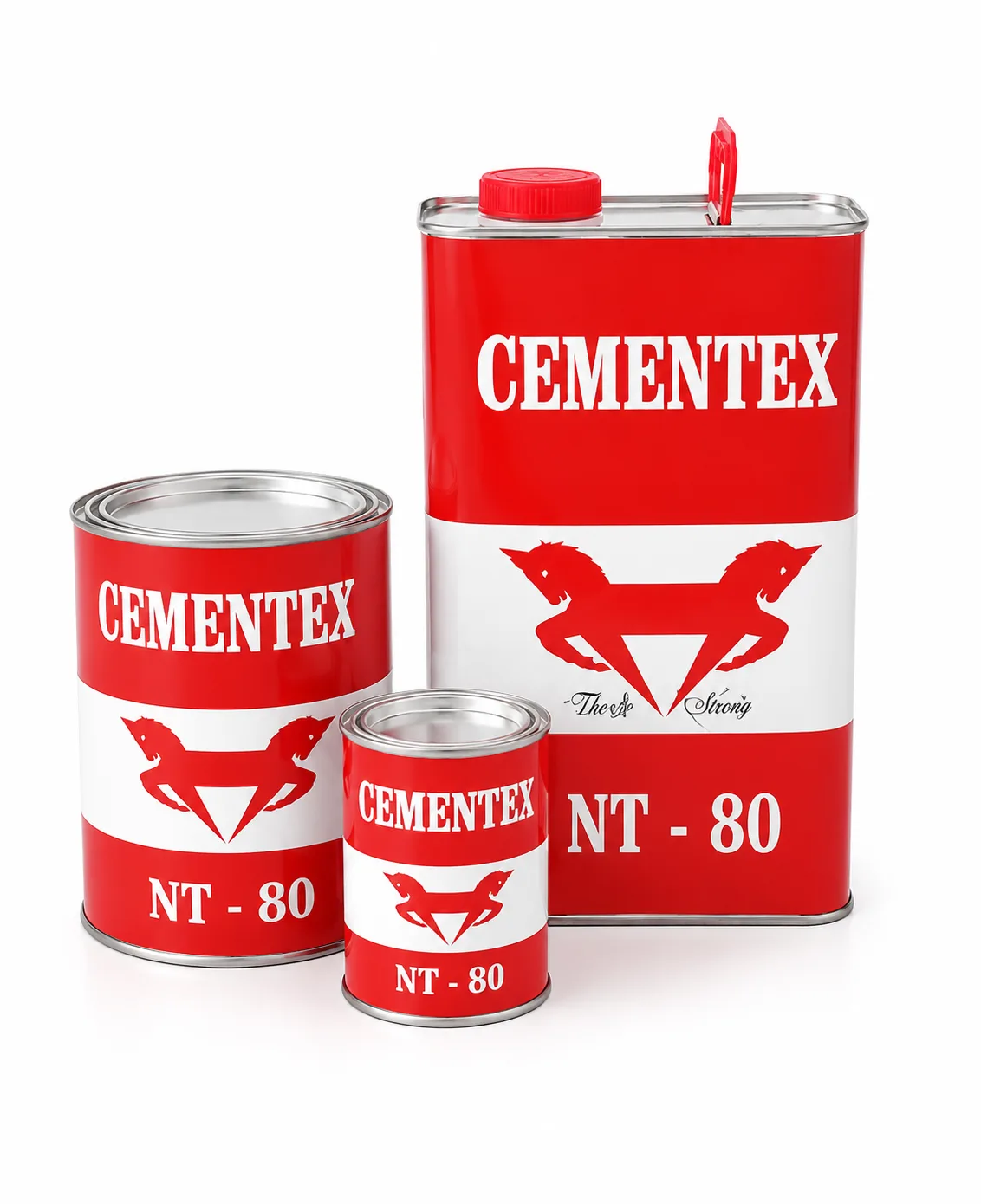 In stock
Cementex NT-80 adhesive available in metal containers for industrial and general bonding applications.
Cementex · NT-80
Price on request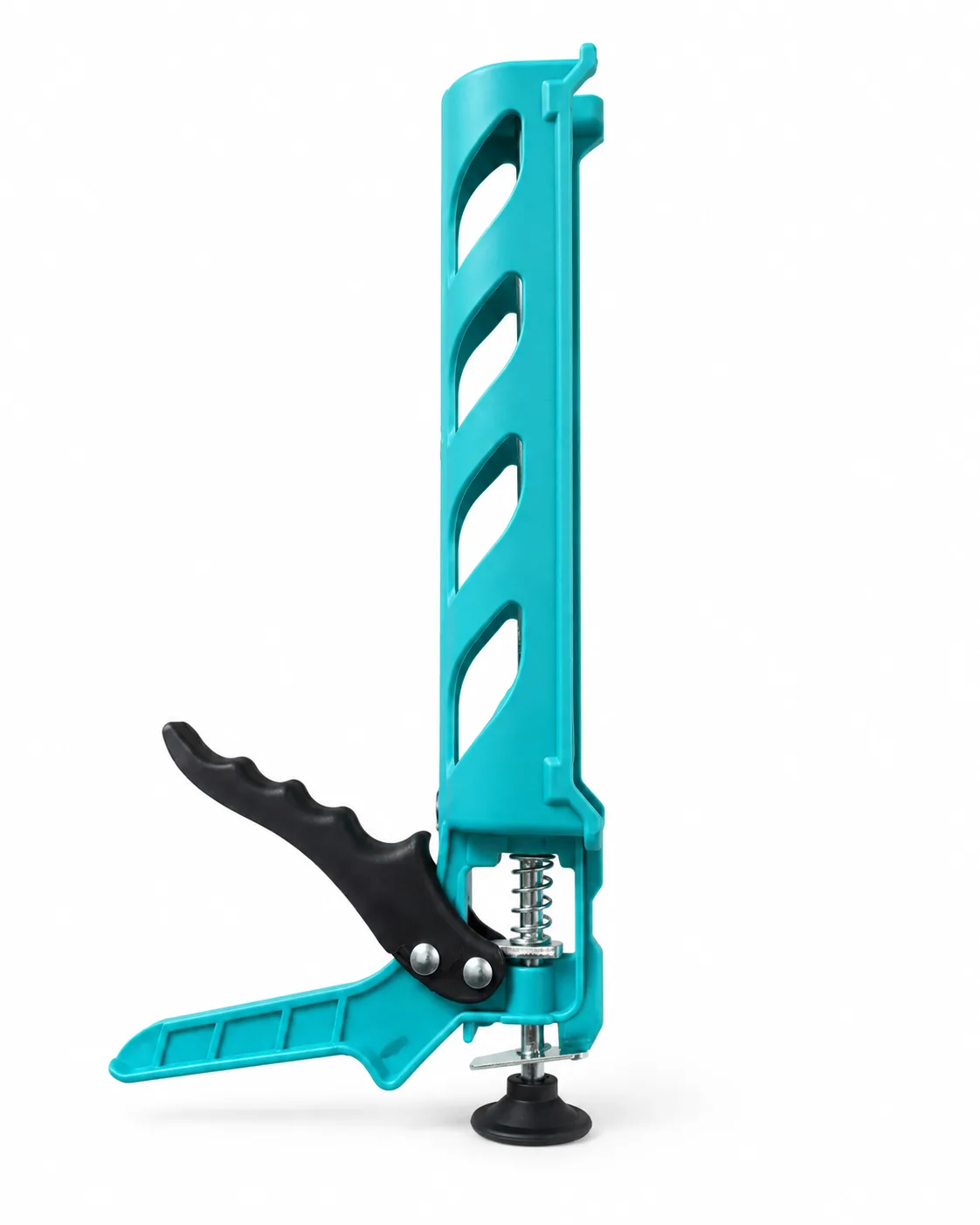 Ask to confirm
Manual caulking gun for dispensing silicone, RTV and other cartridge-based sealants.
Price on requestA practical checklist for buying hardware in Bohrapir: what to photograph and measure, how to compare fittings, and what to confirm before travelling.
Measure piano hinge length and width, understand gram variants, and send a clear enquiry with the correct finish, fitting details and quantity in pieces.
Prepare a clear hardware RFQ with the right quantities, fitting details and delivery requirements. Includes a practical checklist and sample email.
Browse the catalogue or message MJ Trader on WhatsApp to check current prices and availability for supply across Pakistan.Email quotations / RFQsadminmjtrader@gmail.com