 In stock
Furniture Hardware
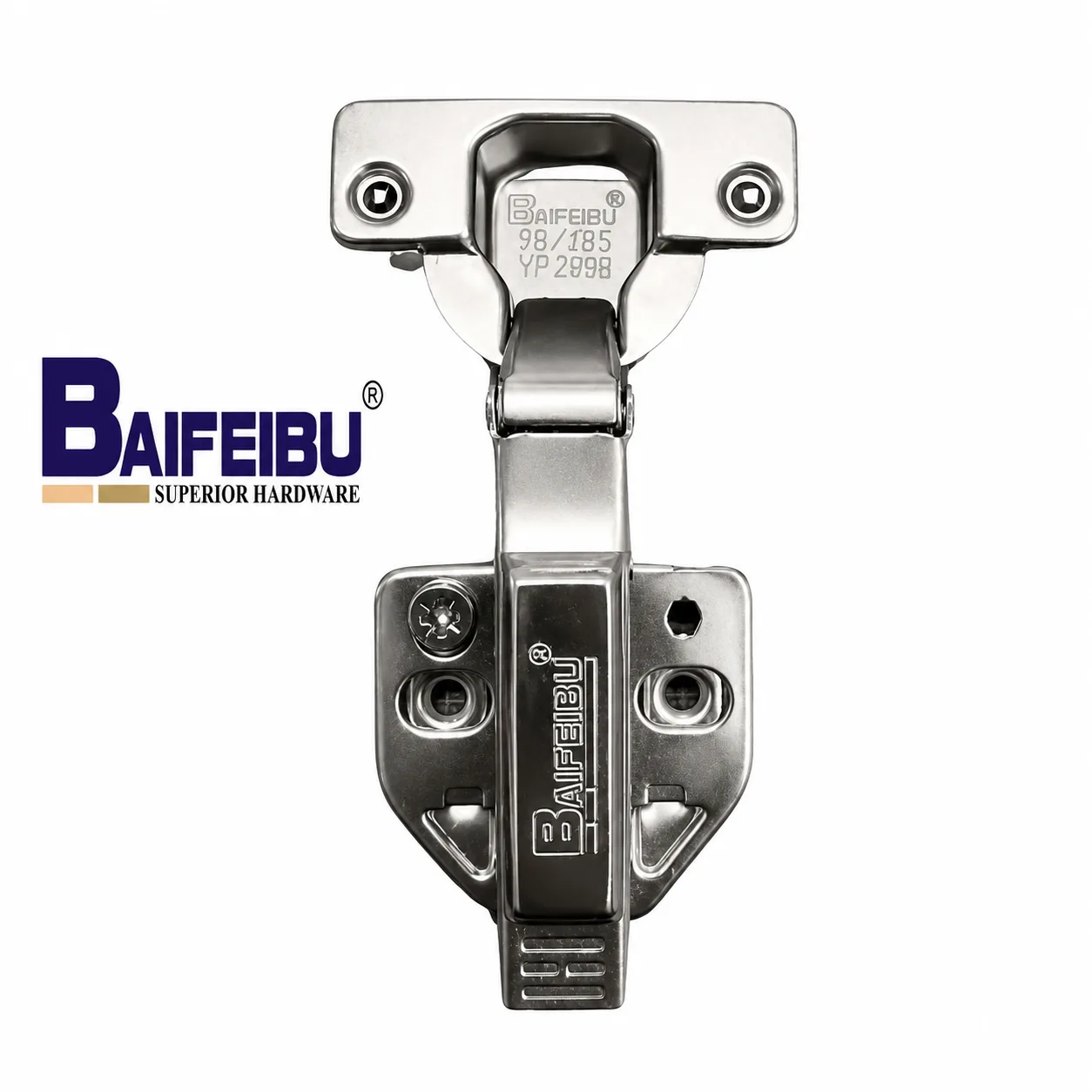
Baifeibu 3D Adjustable Soft-Close Concealed Cabinet Hinge
3D adjustable soft-close concealed cabinet hinge with a 35mm cup.
Baifeibu
Price on requestConcealed, standard, or piano hinge - plus overlay types and whether soft-close is worth it. A complete cabinet hinge buying guide.
By MJ TraderPublished 21 July 2026Updated 3 October 2026~5 min read
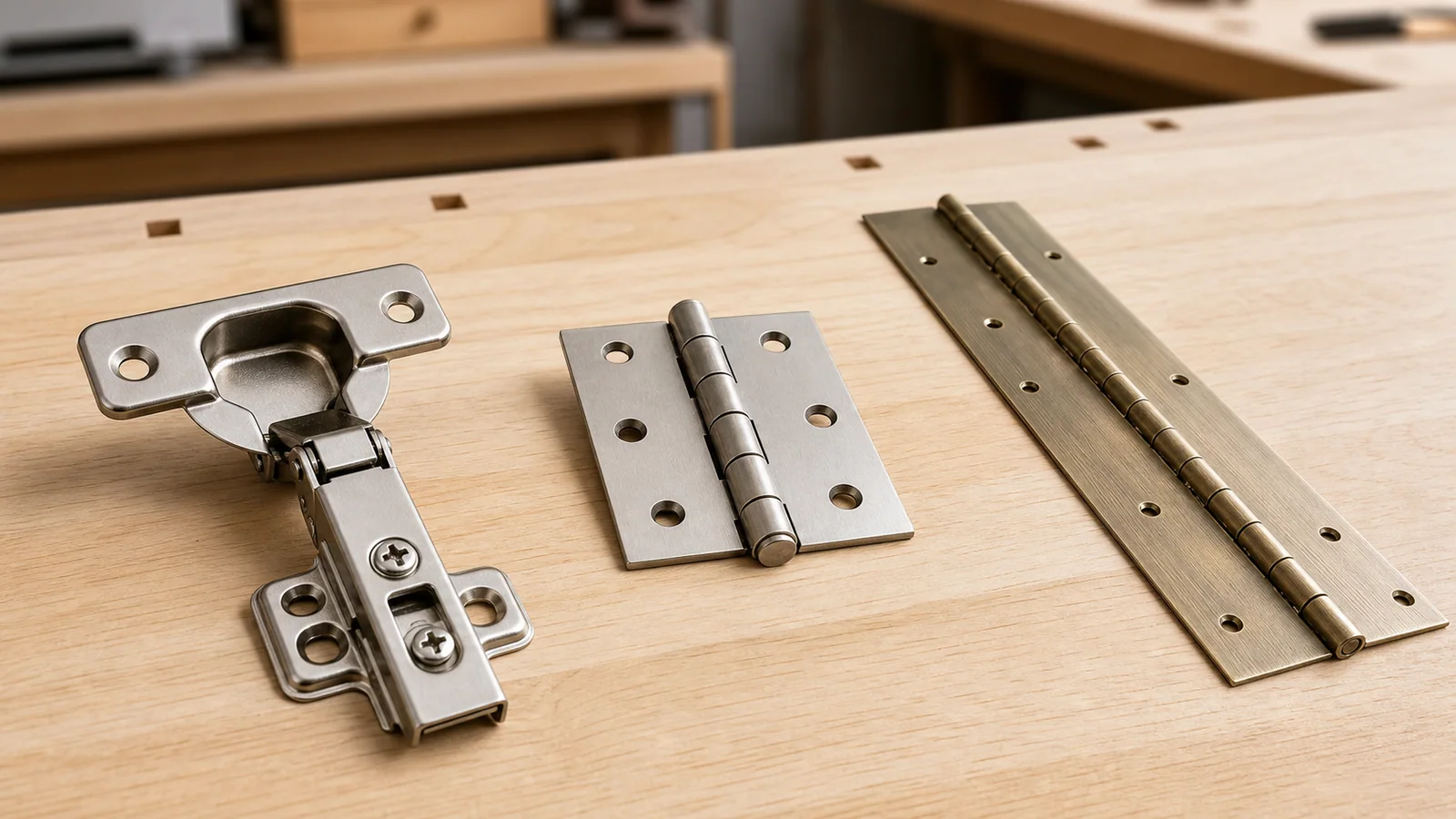
Cabinet and cupboard doors don't all use the same hinge. The right one depends on how the door should sit against the cabinet, whether you want the hinge visible, and how much support the door needs along its length.
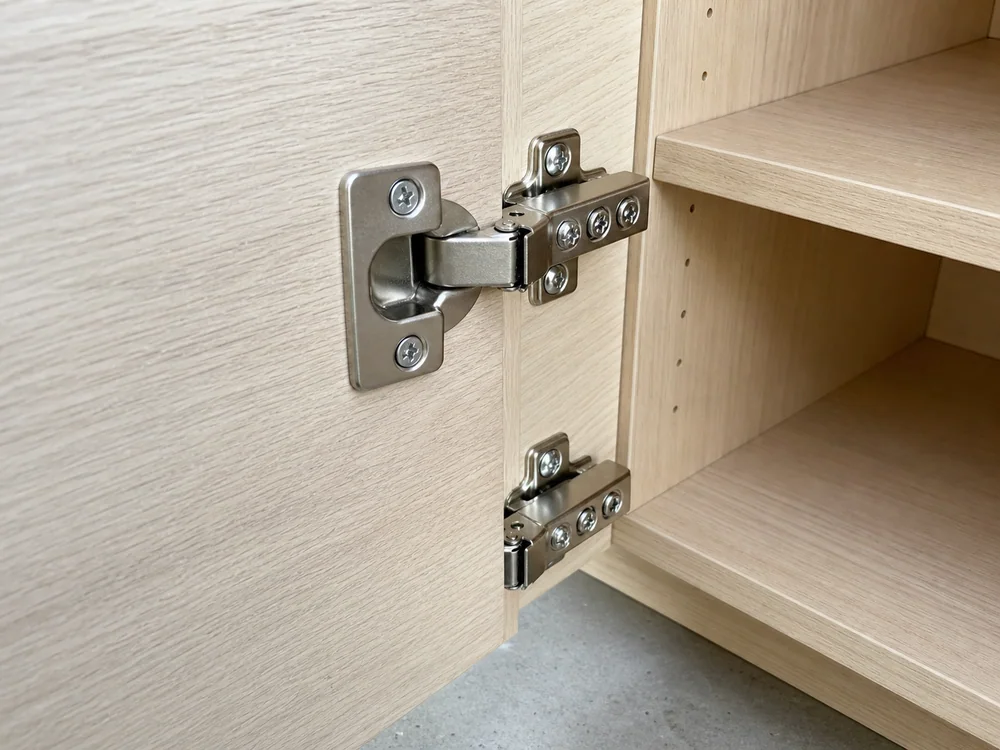
A concealed hinge (or "hidden" hinge) is fitted inside the cabinet so nothing is visible when the door is closed - the hinge is only seen when the door is open. Many concealed hinges are also available in soft-close versions, which slow the door down just before it shuts instead of letting it swing closed at full speed.
The traditional hinge type - two plates joined by a pin, screwed to the face or edge of the door and frame. Visible when the door is closed, but simple, durable, and easy to source in different sizes.
A continuous piano hinge runs the full length of the door or lid, rather than being fitted at just two or three points. Because it supports the whole edge, it's useful for doors or lids that need even support along their length, such as folding doors or box and chest lids.
Beyond hinge type, the way a door sits against the cabinet frame - called the overlay - also affects which hinge fits.
Concealed hinges are made for each of these situations, so a hinge bought for a full-overlay door usually won't sit right on an inset door. If you're replacing a single hinge rather than the whole set, matching the overlay type matters as much as matching the hinge size.
Soft-close damping slows the final closing movement. It may be useful for frequently used cupboards, but compare the exact model's operation and quoted price. Soft-close does not establish a longer service life, a load rating or protection against sagging.
For replacements, check the cup, overlay, drilling pattern and mounting plate first. Use the hinge manufacturer's planning information for door dimensions, weight, hinge count and spacing. Blum's hinge-count guidance demonstrates this approach for its own hinge system; its quantities are not universal ratings for other brands.
If you're not sure which type your existing cabinet uses, the easiest way to confirm is to bring a photo or the old hinge itself when you come to replace it - matching both the hinge type and the overlay avoids buying the wrong part twice.
Not directly - concealed hinges need a round recess bored into the door, which a standard hinge doesn't have. Switching hinge types on an existing door usually means new drilling work, so it's more practical when a door is already being replaced or refinished.
Worn hinge pins or stripped screw holes are the most common cause. Many concealed hinges have adjustment screws built in (for height, depth, and side-to-side position) that can correct minor sag without replacing the hinge - worth checking before assuming a new hinge is needed.
Use the exact hinge system's door-weight and dimension guidance. Include handles and other attached weight, the panel material, fixing condition and mounting layout. Adding one centre hinge is not a universal solution for every tall or heavy door.
Include the exact product or old-part reference, photographs, measurements, quantity and delivery city. You can Request Quote without visiting a shop first. Companies can use Business Supply for formal quotations and onboarding requirements. Email drawings or a parts list to adminmjtrader@gmail.com using the quotation-email action below. Confirm availability, delivery charges and timing, or your chosen collection branch, before ordering or travelling.
In stock3D adjustable soft-close concealed cabinet hinge with a 35mm cup.
Baifeibu
Price on request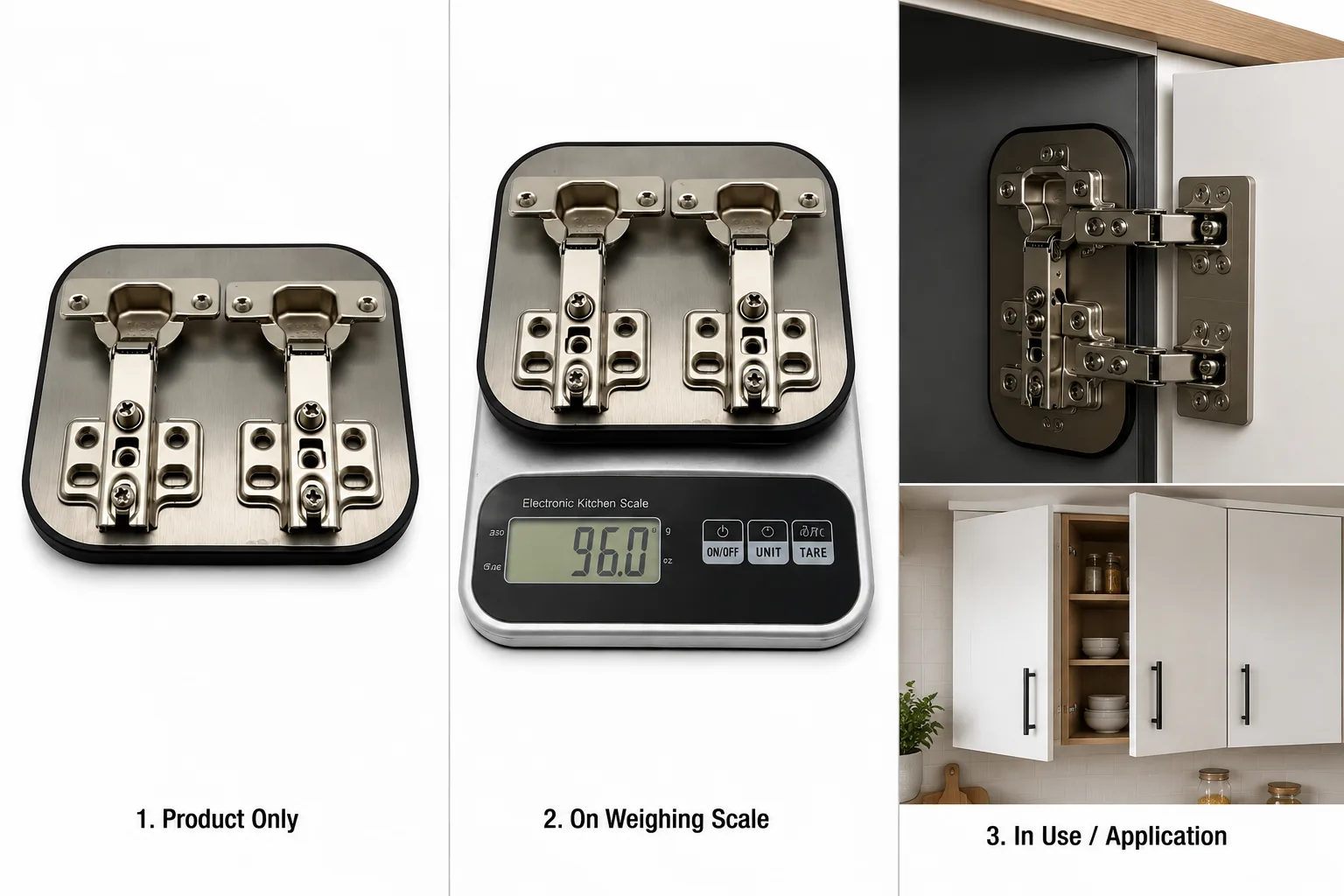 Ask to confirm
Concealed cabinet hinge for internal mounting on compatible cabinet and wardrobe doors.
Price on request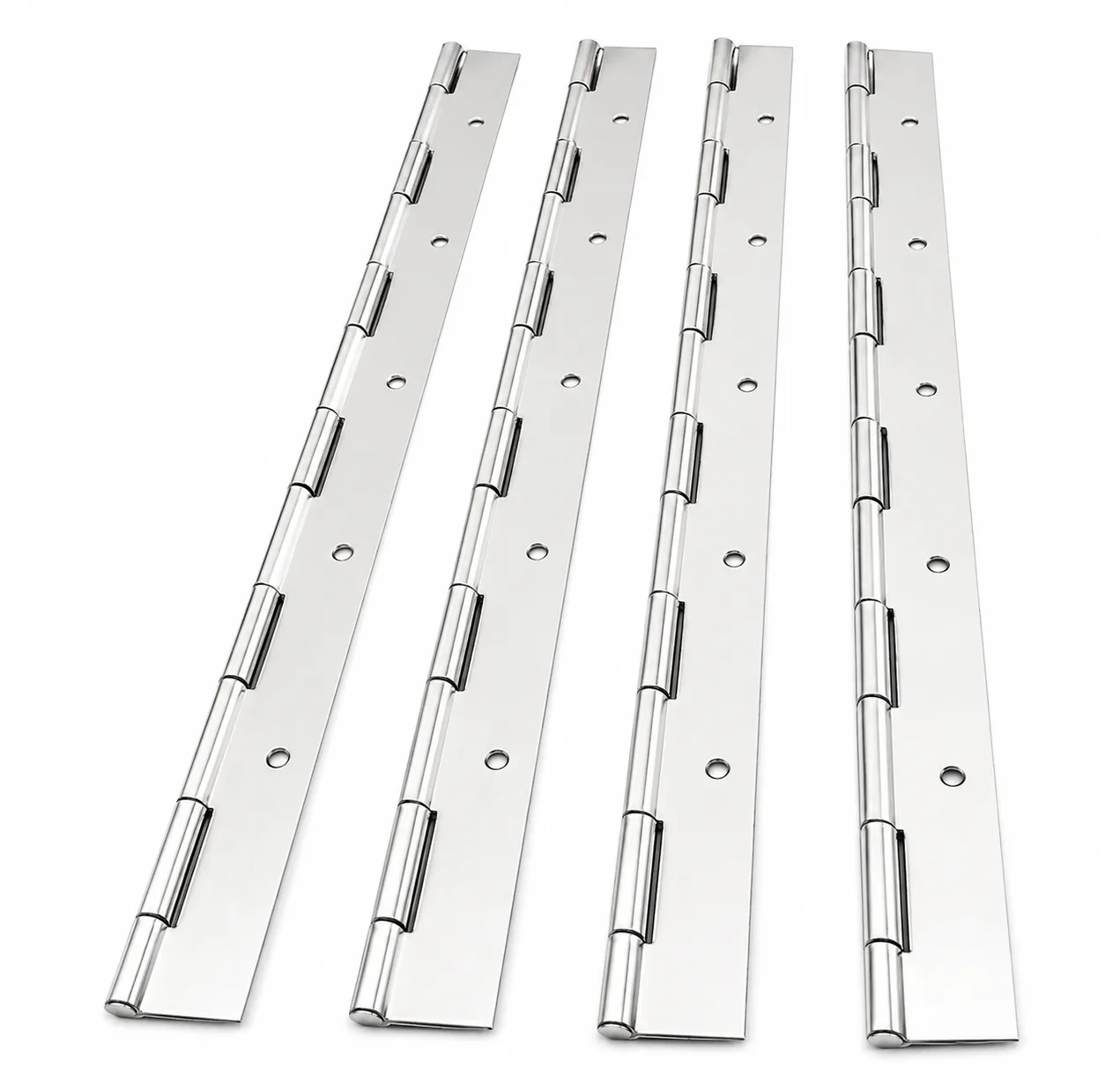 In stock
Continuous metal piano hinge for full-length door, cabinet and panel mounting.
Price on requestCabinet door gaps uneven or soft-close not sitting right? Learn the safe checks for side, height, and depth adjustment on 3D concealed hinges.
Magnetic catch or roller catch? A practical guide for cabinet, cupboard, wardrobe, and light door closing hardware.
A practical checklist for buying hardware in Bohrapir: what to photograph and measure, how to compare fittings, and what to confirm before travelling.
Browse the catalogue or message MJ Trader on WhatsApp to check current prices and availability for supply across Pakistan.Email quotations / RFQsadminmjtrader@gmail.com