 In stock
Furniture Hardware
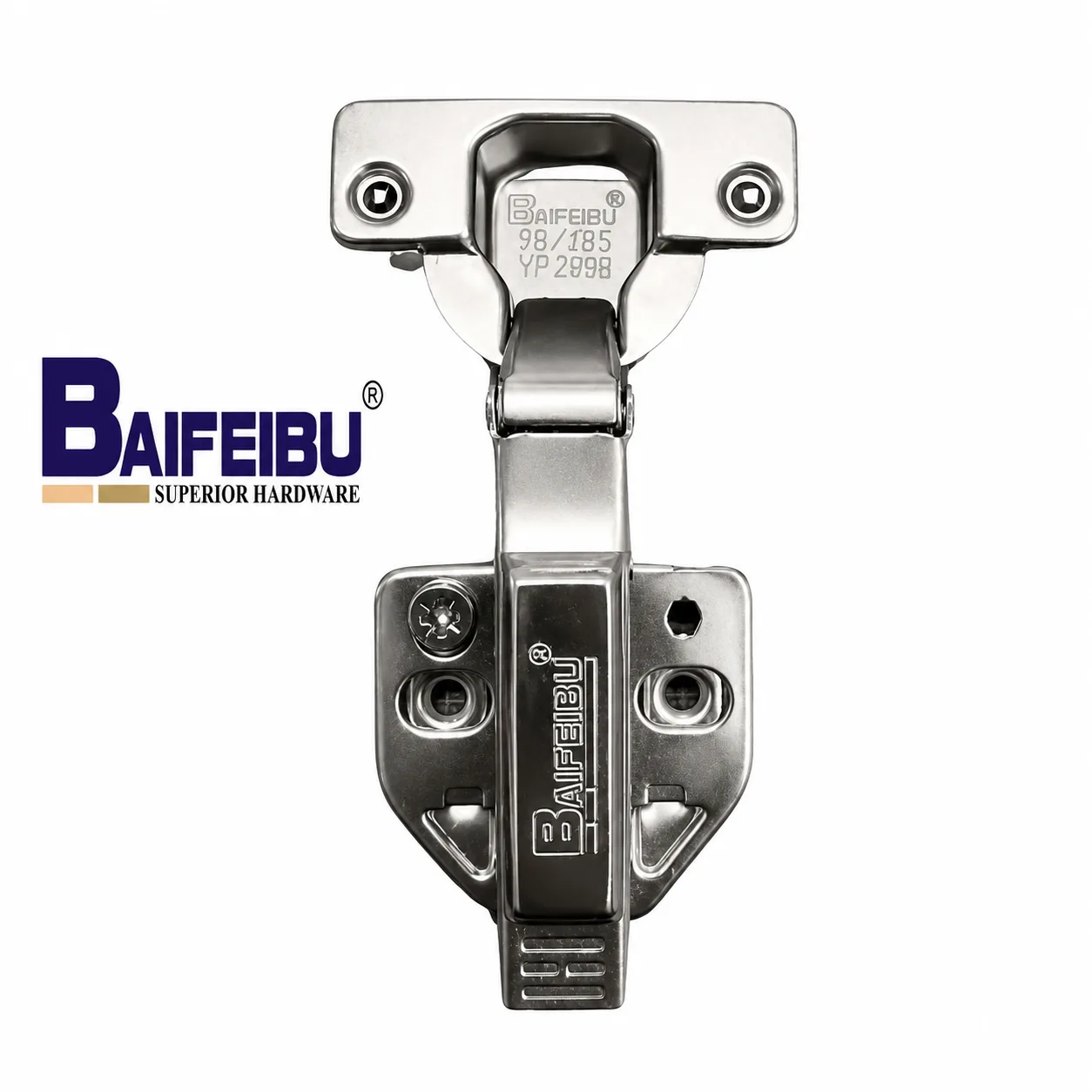
Baifeibu 3D Adjustable Soft-Close Concealed Cabinet Hinge
3D adjustable soft-close concealed cabinet hinge with a 35mm cup.
Price on requestCabinet door gaps uneven or soft-close not sitting right? Learn the safe checks for side, height, and depth adjustment on 3D concealed hinges.
By MJ TraderPublished 26 July 2026~3 min read
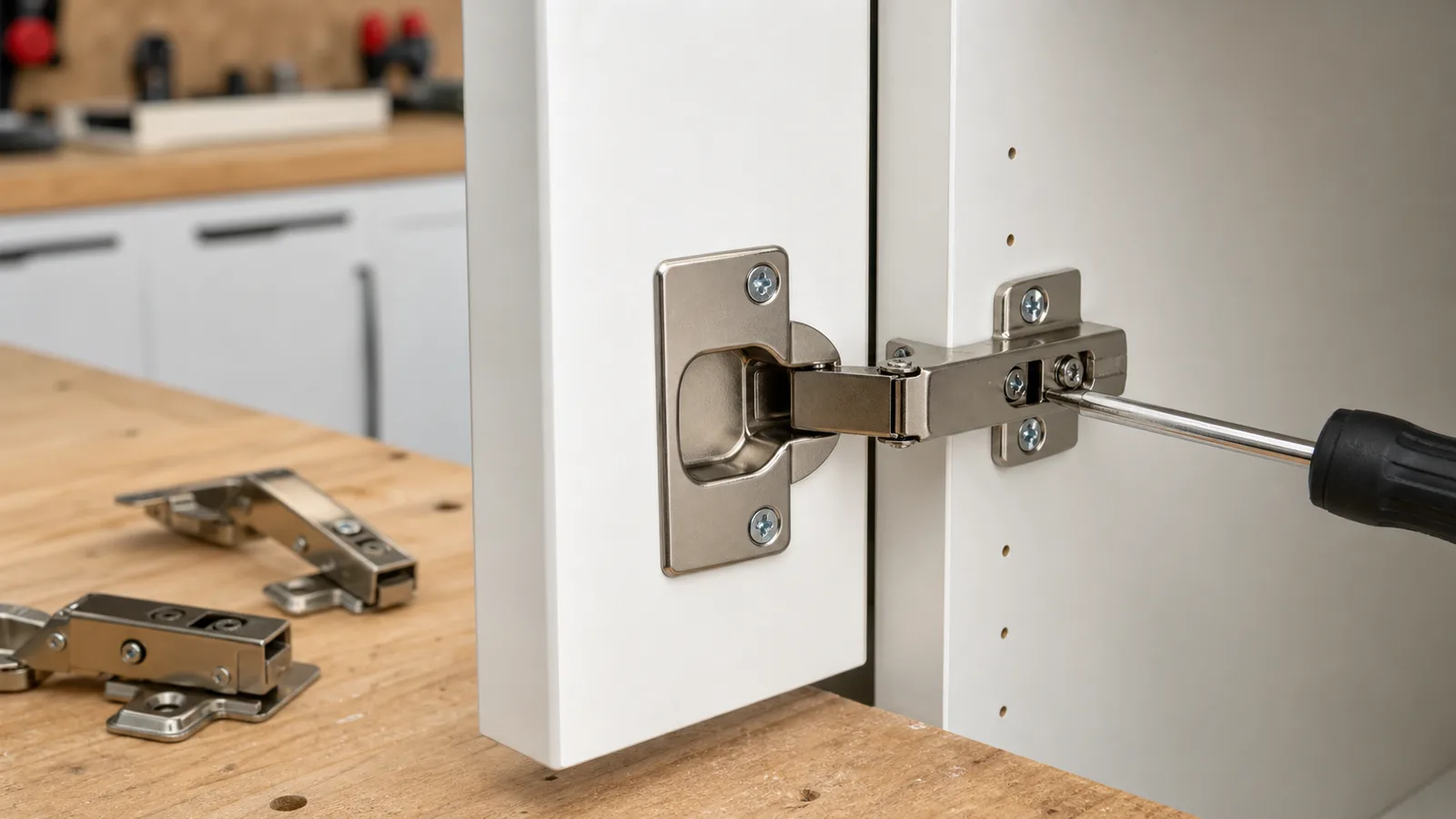
A 3D concealed hinge lets you adjust the cabinet door in three directions: side-to-side, up-and-down, and in-and-out from the cabinet. This is useful when a door gap looks uneven, the door rubs the cabinet, or two neighbouring doors do not line up.
Many modern concealed hinges use a 35mm cup bored into the door. The Baifeibu 3D Adjustable Soft-Close Concealed Cabinet Hinge listed in the catalogue is one example where the product photo confirms a 35mm cup, 3D adjustment, and soft-close wording on the packaging.
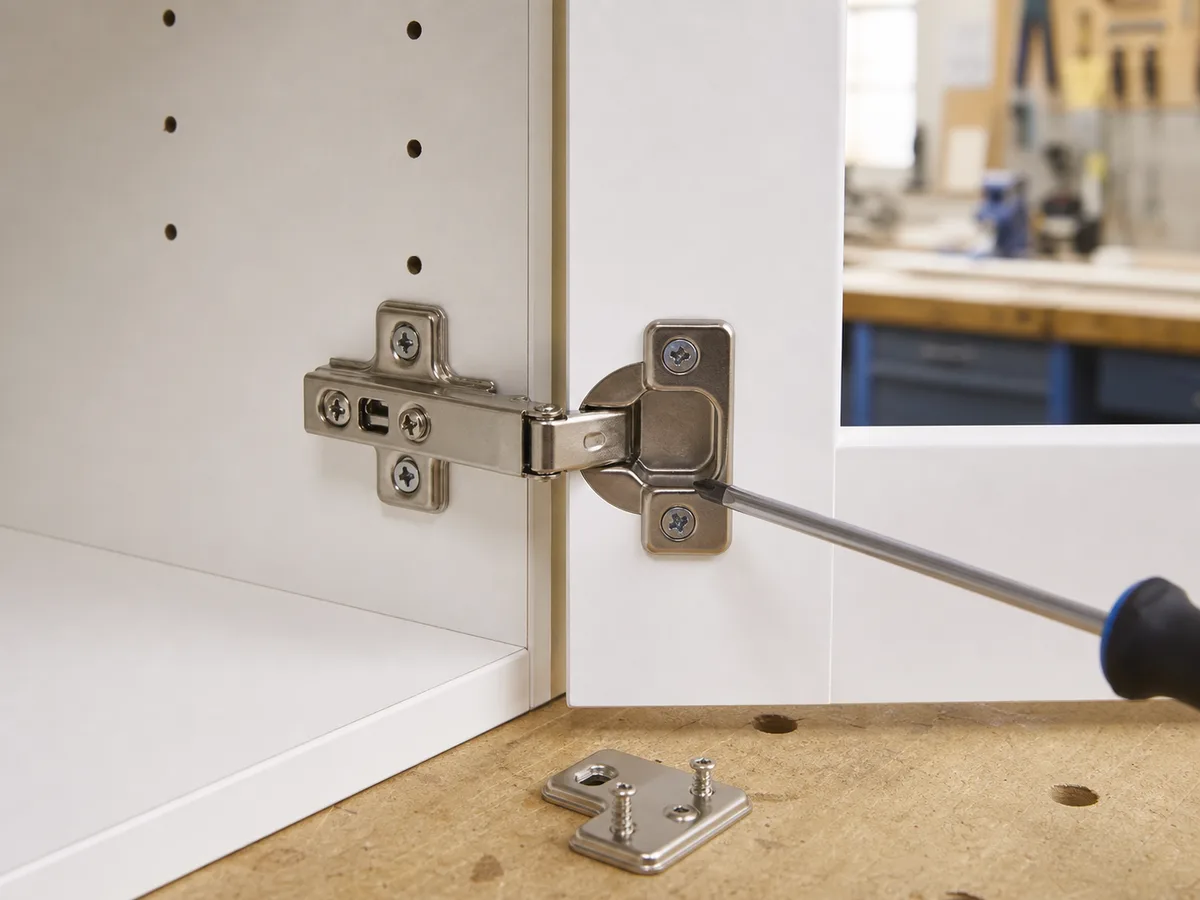
Open and close the cabinet door slowly. Check whether the issue is the hinge adjustment or the door itself. If the screws are loose, the door is warped, or the cabinet side is damaged, adjustment alone may not hold for long.
Use a hand screwdriver rather than a drill for final adjustment. Small turns are easier to control, and they reduce the risk of stripping the screw head or over-moving the hinge.
Side adjustment moves the door left or right. Use it when the gap between two cabinet doors is uneven, or when the door edge is too close to the side panel. Turn the adjustment screw a small amount, then close the door and check the gap again.
If two doors meet in the middle, adjust both doors gradually rather than pushing one door too far to compensate for the other.
Height adjustment moves the door up or down. It is usually controlled at the mounting plate or through elongated screw holes. Loosen the fixing screws slightly, lift or lower the door, then retighten. Support the door while doing this so its weight does not pull the hinge out of position.
Height adjustment is useful when one cabinet door sits lower than the next one, or when the top and bottom gaps are not level.
Depth adjustment moves the door closer to or farther away from the cabinet frame. Use it when the door sits proud, rubs the frame, or does not close flush. Adjust in small steps and test the soft-close action after every change.
If a soft-close hinge suddenly starts slamming, first check whether the hinge is aligned and fully seated. If the damping mechanism has failed internally, adjustment may not restore the soft-close action.
For replacement work, bring one old hinge or send clear photos before ordering a full set. Matching the cup size, overlay, and mounting plate saves a lot of fitting time.
In stock3D adjustable soft-close concealed cabinet hinge with a 35mm cup.
Price on requestMagnetic catch or roller catch? A practical guide for cabinet, cupboard, wardrobe, and light door closing hardware.
Concealed, standard, or piano hinge - plus overlay types and whether soft-close is worth it. A complete cabinet hinge buying guide.
Compare lever, pull, grab and recessed-style handles, then learn which dimensions and fitting details to check before buying a replacement.
Browse the catalogue or message MJ Trader on WhatsApp to check current prices and availability at the Bohra Pir or Saddar shops.